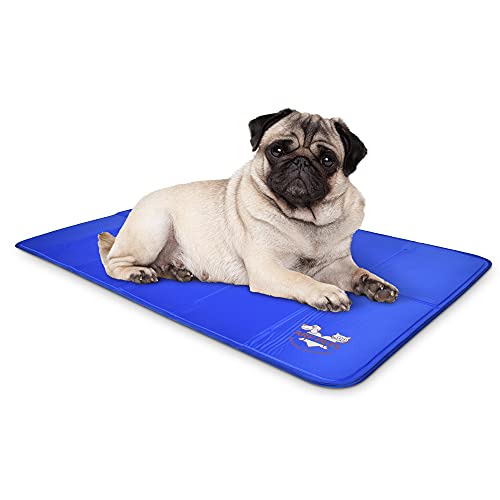
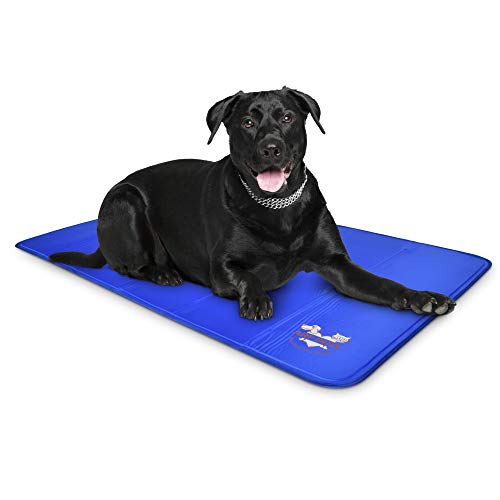
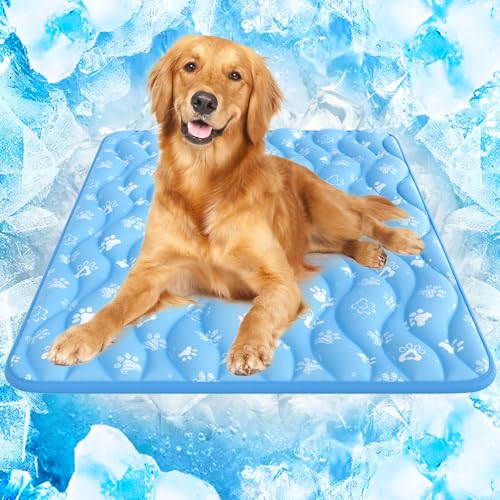
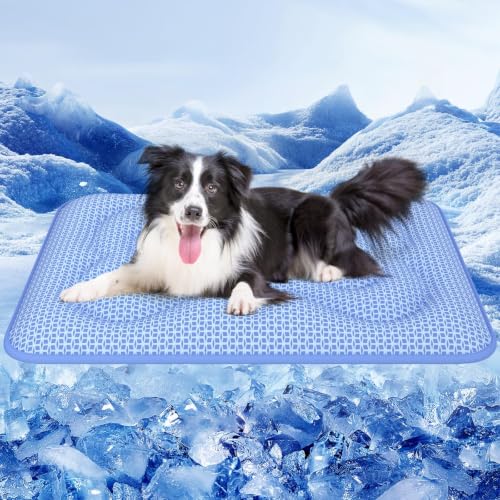
Arf Pets Dog Cooling Mat
Automatically recharges for continuous cooling comfort.
Non-toxic materials ensure pet safety.
Durable design withstands regular canine use.
We compared the top Cooling Mats For Dogs products so you can quickly spot the strongest options for value, features, and everyday performance.
Automatically recharges for continuous cooling comfort.
Non-toxic materials ensure pet safety.
Durable design withstands regular canine use.
Self-cooling technology requires no electricity.
Lightweight and portable for easy travel.
Durable material resists wear and tear.
Effective cooling with Q-MAX>0.4 technology.
Durable and washable for easy maintenance.
Perfect size for large dogs, 40x50 inches.
Innovative cooling technology for ultimate comfort.
Removable, washable cover for easy cleaning.
Spacious design perfect for large dogs.
Non-toxic gel ensures pet safety.
Waterproof design enhances durability.
Perfect for both indoor and outdoor use.
Effective cooling with breathable air-core fill.
Lightweight and easy to wash.
Ideal size for large dogs.
Keeps pets comfortably cool in hot weather.
Stylish turquoise green color enhances decor.
Easy to clean and maintain for pet owners.
Anti-slip bottom keeps mat securely in place.
Durable and washable for easy maintenance.
Versatile use for indoor and outdoor settings.
Effective cooling with Arc-Chill 3.0 technology.
One-way moisture design keeps pets dry.
Generous size fits larger dog breeds.
Effective cooling with Arc-Chill technology.
Comfortable and durable for all pets.
Easy to clean and maintain.
Dog cooling mats are passive resting surfaces designed to feel cooler than standard bedding. Common types include pressure-activated gel pads, cool-touch textile mats and blankets, and textile or foam beds. Many do not require water, electricity, batteries, refrigeration, or pre-cooling. Their primary purpose is to provide comfort during warm weather, not to treat severe overheating.
The effectiveness of a cooling mat depends on its cooling mechanism, how much of the dog’s body contacts it, and the surrounding environment. For example, a cool-touch textile may initially feel cold because it quickly transfers heat away from the skin. While the Q-max value indicates the initial sensation of coolness, a Q-max above 0.4 or 0.5 does not guarantee how long the surface remains cool, how much it influences the dog’s core temperature, or how it performs after washing. Claims such as “lasting up to three hours,” achieving a four to six-degree temperature reduction, or needing 15 to 20 minutes to recharge are only meaningful if supported by a detailed test report. Such reports should specify the exact product model, size, color, test method, ambient conditions, contact load, test duration, repeated cycles, and outcomes.
For Q-max-related claims, ensure the testing was conducted using recognized methods like JIS L 1927 or KES-F7, with the laboratory’s ISO/IEC 17025 accreditation verifiable via directories such as A2LA or ANAB. Thermal resistance claims should cite ISO 11092 testing methods. Without these details, a manufacturer’s cooling number is merely a claim, not verified evidence.
Material quality and construction are equally important. Gel pads should disclose the chemical composition of the fill, provide safety data sheets or ingredient lists, and instructions for post-puncture or leakage situations. Textile products should identify all components—including cover, backing, foam, dyes, and coatings—and specify whether the fill is accessible. Avoid vague claims like “non-toxic.” For chemical contact claims, look for certification numbers from OEKO-TEX STANDARD 100 or MADE IN GREEN, which can be verified through OEKO-TEX Label Check. These certificates must match the specific product and scope. Generic claims without a number do not confirm proper certification.
Care instructions should be realistic, specifying whether the product is hand-wash or machine-wash, suitable detergents, drying methods, and storage guidelines. Washability differs from wash validation; stronger evidence shows that repeated washing does not damage the cooling layer, shed filling, retain odors, or degrade performance. Durability can be supported by standards like ASTM D1004 (tear resistance), ASTM D882 (tensile strength), ASTM D4966 (abrasion resistance), or AATCC TM 61 (laundering tests). Environmental claims should be traceable through organizations like Textile Exchange or OEKO-TEX, and disposal instructions should reference the entire product, not just individual fibers.
Review analysis indicates common issues such as the lack of independent cooling efficacy tests, incomplete chemical disclosures, absence of chew or puncture tests, and unclear instructions for damage. Many products are unsuitable for persistent chewers, fabric-eating dogs, puppies, or unattended use. It’s important to note that a cooling mat should not be used as a response to signs of heatstroke, such as heavy panting, weakness, vomiting, confusion, gum color changes, or collapse. In such cases, move the dog to a cooler environment, initiate proper cooling measures, and seek urgent veterinary care. Always ensure water availability, shade, ventilation, reduced activity, supervision, and that the dog can leave the mat if desired.

A: Cooling mats for dogs operate using gel or water-based materials that absorb heat from your dog's body, creating a cool surface for them to rest on. This helps in managing their body temperature, especially during hot weather.
A: Yes, cooling mats are generally safe for all dog breeds. They offer a comfortable cooling effect, which is particularly helpful for breeds that are more susceptible to overheating, such as Bulldogs and Pugs.
A: Certainly, cooling mats can aid in alleviating joint pain and swelling. The cool surface can reduce inflammation, making them suitable for older dogs or those suffering from arthritis.
A: Typically, cooling mats remain cool for several hours, influenced by the environment and your dog's body heat. They usually recharge on their own after resting or remaining unused for a short period.
A: Yes, these mats are lightweight and portable, making them easy to take along for travel or outdoor activities. They can often be folded for compact storage when not in use.
Health and Ecology The following topics differentiate a comfortable resting surface from a product with well-documented materials, construction, care instructions, supporting evidence, and end-of-life information. Higher-rated products typically feature clearer construction details, enhanced traceability, or independently verifiable textile certifications. In contrast, lower-rated products tend to rely on vague claims, incomplete specifications, or lack publicly available testing records.
This assesses whether the product is marketed as providing comfort and support with well-defined boundaries regarding heatstroke and veterinary emergencies. It’s important because a mat cannot substitute for shade, water, active cooling, or urgent medical attention. More robust products typically include supervision recommendations or guidance for after-exposure use and do not claim to prevent or treat overheating. Conversely, lower-rated listings tend to suggest protection against body temperature or dehydration without clearly indicating emergency precautions.
This indicates that the finished cover, backing, foam, dyes, coatings, and accessible filling have been tested for harmful residues. This is important because dogs may lie on the material for extended periods and may also chew on it. Higher-rated textile products show verifiable OEKO-TEX certification numbers, whereas lower-rated items rely on claims of being "non-toxic" without certification, finished-product testing, or documentation covering the specific product being sold.
This assessment evaluates protection against punctures, leaks, ingestion of fabric or gel, and unclear guidance following damage. It is particularly crucial for solid-gel pads, whereas textile mats may still pose risks from swallowed fibers or foam. Higher-rated products reveal a gel-free or clearly defined design and offer instructions for discontinuation or veterinary consultation. In contrast, lower-rated products lack clear information on gel composition, limits on chewing, or exposure guidance.
This assesses whether the product can be cleaned and dried without harming its cooling layer, causing shedding, or trapping moisture and odors. It is important because mats tend to gather fur, drool, dirt, and spills. Products with higher scores provide clear instructions for hand-washing, machine-washing, appropriate detergents, drying, and storage. In contrast, lower-scoring products may have conflicting care instructions or lack proper wash validation, even if they claim to be washable.
This assessment evaluates whether common dog-related uses such as washing, folding, and repeated cooling cycles are backed by durability evidence, warranty coverage, or practical replacement options. A more durable mat can prevent early disposal. Products that score higher typically specify the manufacturer, warranty details, or recommended care routines, but the most reliable evidence includes results from tear, tensile, abrasion, or laundering tests. Conversely, lower-scoring products mainly depend on vague claims of durability without supporting published test data.
This assessment covers the disclosure of materials, verification of recycled inputs, identification of separable components, repairability, and clear disposal instructions. It is important because many mats incorporate a combination of synthetic textiles, foam, coatings, backing, and gel that are challenging to separate. Typically, the products receive only moderate ratings due to the absence of recycled content certifications, repair options, component separation processes, and specific disposal guidance, even when the material categories are mentioned.
This assesses the cooling effectiveness in terms of intensity, duration, recharge time, and the conditions of the final product, rather than what is advertised. This is important because claims like Q-max or "up to three hours" only reflect a portion of the actual performance. Most products on the market tend to have mid-level ratings since no publicly available report provides detailed information about the specific finished mat, laboratory testing, testing methods, load conditions, ambient environment, testing duration, or repeat-cycle results.
This assesses whether certificates and reports can be traced back to the final product, including details such as certificate number, laboratory details, scope, date, and model consistency. It distinguishes a verifiable OEKO-TEX entry from a general material claim. Higher-scoring products provide specific certification body names and certificate numbers, whereas lower-scoring products reference unsupported laboratories, recycled materials, or textile safety claims that lack a corresponding public registry.
This assesses whether claims accurately describe what was tested and prevent exaggerating a cool-touch sensation into promises of body temperature regulation or heatstroke prevention. Products with higher scores typically make more specific claims, such as "cool-touch comfort," or specify Q-max as a contact measurement. Conversely, lower-scoring products often make unsupported claims about preventing overheating, dehydration, or quickly lowering body temperature, or they provide inconsistent information about material and care instructions.
This evaluates whether buyers can determine the responsible company, model, contact information, origin, batch details, and safety remedies. It is important if a mat leaks, sheds material, or requires a warning or replacement. Products with higher scores typically include the manufacturer's name, customer service contact details, warranty information, or return procedures. Conversely, lower-scoring listings lack traceability at the batch level, clear manufacturer identification, guidance for replacements, or documented recall responses.
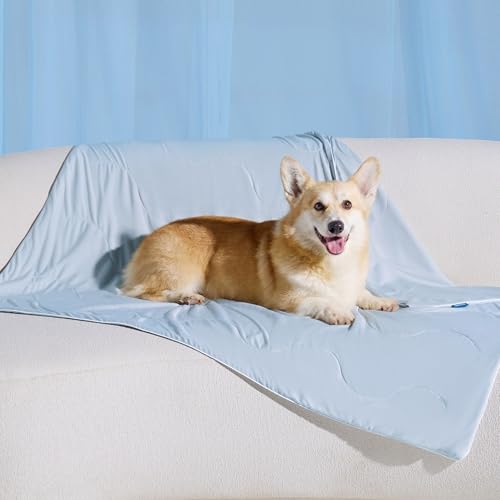
The most reliable health certification for this product is the OEKO-TEX STANDARD 100, which is displayed on Amazon with certificate number 24.HCN.19195. OEKO-TEX STANDARD 100 involves testing finished textile products for over 1,000 potentially harmful substances. The fabric composition listed is 80% nylon and 20% polyethylene cooling fabric, not a gel-filled pad, meaning there is no accessible hydrogel that could leak if punctured. This product should not be used as protection against severe overheating. In cases of heatstroke, veterinary guidelines recommend immediate cooling and urgent veterinary treatment if warning signs are present. From an ecological perspective, the composition is disclosed and is made of synthetic fibers. There is no verified recycled content, repair program, component separation instructions, or disposal guidelines available. The product listing suggests it can be machine washed and tumble dried on low heat; however, no durability validation for repeated washing has been published.
This product is ideal for households seeking a large, soft resting mat for their big dog that enjoys cool surfaces like floors, sofas, crates, or car seats in a climate-controlled environment. It is especially convenient when a washable fabric layer is preferred over a gel pad, as the design does not include a gel insert and the seller allows machine washing and tumble drying at low heat. Additionally, it appeals to owners who prioritize externally certified textile chemical safety and are able to supervise normal use.
This product is not intended for dogs exhibiting heavy panting, weakness, vomiting, confusion, collapse, or other signs of heatstroke. A cooling blanket provides comfort support but is not a substitute for emergency medical treatment. If your dog shows any of these symptoms, move them to a cooler environment, start safe cooling measures, and contact an emergency veterinarian immediately. Additionally, it is not suitable for destructive chewers, fabric eaters, or dogs left unsupervised with bedding, as it has not undergone chew-resistance testing, puncture rating assessments, or safety evaluations for damaged products. Please note that this cooling blanket is explicitly not waterproof and should not be used as waterproof accident protection in the household.
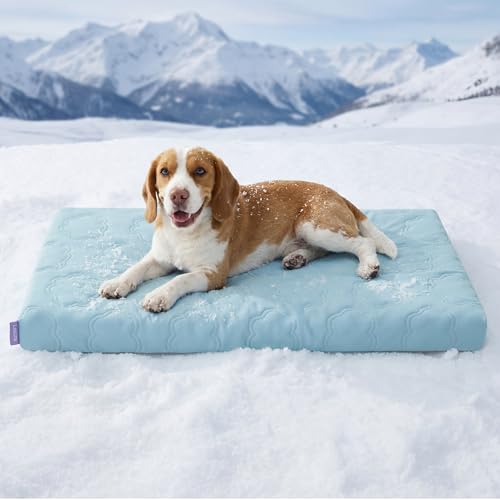
The Amazon product page indicates that the item has an OEKO-TEX Standard 100 certification, with Hohenstein listed as the certifying organization and certificate number 24.HCN.46956. This provides credible evidence of a textile chemical screening claim; however, public verification does not clarify which specific components of the bed—such as the cover, non-slip backing, dyes, or foam—are covered under this certificate. No certain chemical testing reports for the finished product, foam certification, or ingredient disclosures are available for review. This appears to be a passive textile and foam bed rather than a gel-filled cooling pad. While this design reduces the leak hazards associated with punctured gel pads, the product is not chew-resistant. No publicly available reports on durability, laundering, abrasion resistance, or cooling cycle performance were found. A search of the CPSC recall database revealed a 2023 recall for unrelated Bedsure electric heating blankets and pads, not this passive dog bed. There are no recalls or warnings specific to this product. Additionally, the listing provides no information about recycled content, repair options, replacement parts, or proper disposal instructions.
This bed is suitable for a large, gentle dog that sleeps indoors, in a crate-sized space, or in a vehicle, and features a flat sleeping surface measuring 35 by 22 inches. It is ideal for households capable of removing and washing the cover regularly, and for dogs that prefer a cool fabric feel but do not require a waterproof bed. The egg-crate foam offers slightly more cushioning than a thin textile mat, although there is no independent testing to confirm pressure relief.
This product is not suitable for dogs that tend to chew or shred bedding, or for unsupervised confinement with a bed, as the manufacturer states it is not chew-resistant. Dogs that often have urinary accidents require a waterproof barrier or an alternative bed, since this product is not waterproof. Additionally, it should not be used as a safeguard against heatstroke. Dogs exhibiting heavy panting, weakness, vomiting, disorientation, collapse, or other signs of overheating require immediate cooling and veterinary attention—using just a resting mat is not sufficient.
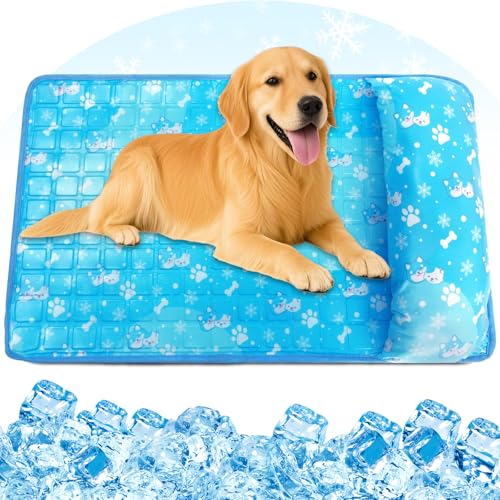
The primary health concern is not confirmed toxicity of this specific product, but rather the lack of clear information regarding its composition and exposure risks. The seller describes the product as a non-toxic solid gel, yet the ingredients list includes polyester and polyester fiber. No ingredient disclosure, safety data sheet, chemical residue certificate, or finished-product testing information was available. This is significant because, in 2025, ASPCA Poison Control warned that ingesting certain hydrogel cooling pads has been linked to severe neurological symptoms, seizures, and fatalities. Discontinue use if the product is damaged and seek veterinary advice or contact a poison control center if the contents are swallowed. Cooling mats can provide comfort but are not a treatment for heatstroke. Veterinary experts recommend immediate cooling and professional veterinary care if heatstroke is suspected. Environmentally, the product lacks verified information on recycled content, a separable-component design, repair options, or disposal guidance. Its materials—polyester, TPU, rubber, and potential gel—are not sufficiently described to determine suitable recycling methods or safe end-of-life disposal.
This product is ideal for households that want a designated, portable resting spot for a calm dog that does not chew bedding. Its large size makes it suitable as a nap area for small to medium dogs or as a partial body-contact surface for larger dogs. It is suitable for regular indoor use, shaded travel stops, or mild warm weather conditions where access to fresh water, shade, ventilation, and breaks is available. The waterproof, wipe-clean feature is effective for minor dirt and everyday spills.
This product is not suitable for dogs that chew, dig at, shred, or swallow bedding pieces. An external listing for the same model explicitly states it is not recommended for aggressive chewers, and the hidden gel formulation makes it difficult to assess if puncture exposure occurs. Additionally, it should not be used as a heatstroke protectant for brachycephalic, senior, very young, ill, obese, or heat-sensitive dogs. It is also not appropriate for any dog exhibiting heavy panting, weakness, vomiting, confusion, collapse, or other signs of overheating. Such situations require immediate cooling and veterinary attention.
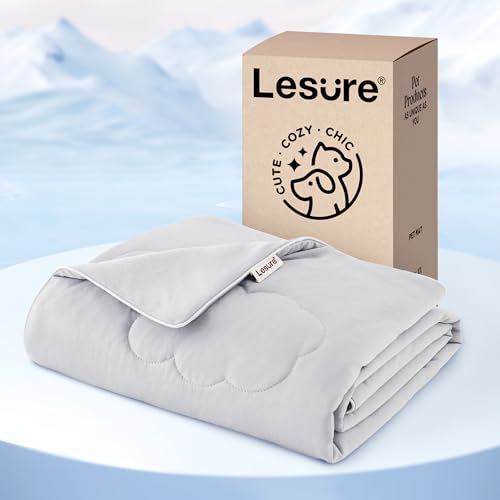
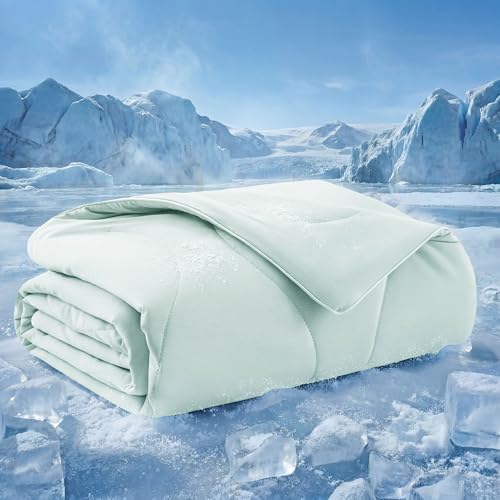
The product is identified as being made from polyester with Air-Core Fill. The available information does not mention a gel compartment, electrical components, antimicrobial treatments, recycled materials, or a chemical safety certification specific to this blanket. While this reduces the risks associated with gel or powered cooling pads, it does not confirm that dyes, finishes, or filling materials have been independently tested for harmful residues. Bedsure offers a contact method, a 30-day return policy, and general care instructions for polyester products. However, there are no specific details about repair parts, durability testing, recycled-content certification, or guidelines for end-of-life disposal. Additionally, the CPSC recalled certain Bedsure electric blankets and heating pads on March 9, 2023, due to potential controller malfunctions. These recalls involved powered products and not this non-powered pet blanket, but they indicate that the manufacturer has an accessible safety contact and a history of addressing safety issues.
This product is ideal for households looking for a wide, lightweight resting surface for a calm larger dog or cat indoors, particularly on furniture, bedding, or travel surfaces. It is best suited for environments where air conditioning, water, shade, and rest are already accessible, and the primary goal is to provide extra cool-touch comfort rather than active cooling. It also appeals to buyers who prefer a washable polyester throw and can follow low-heat drying instructions. The 40 by 50-inch size is beneficial when a smaller mat would not provide enough contact area for the pet's body.
This product is not suitable for dogs experiencing heavy panting, vomiting, weakness, confusion, collapse, or other signs of heat illness. Using a blanket is not an emergency treatment; if overheating is suspected, immediate active cooling and veterinary assistance are necessary. Additionally, it is not appropriate for persistent chewers, dogs that rip apart bedding, or pets known to swallow fabric, as there is no specific testing or guidelines for chew resistance or damage response provided by the manufacturer. Buyers requiring proven cooling effectiveness, reliable after-wash performance, or independently verified low-chemical residue certification should look for documented evidence to support these claims.
The primary safety benefit is structural rather than based on verified certification. Product descriptions indicate that the blanket is made of polyester fabric and filling, but there is no information about a gel chamber. While this design reduces the risk of leaks and hydrogel ingestion associated with some gel cooling mats, it does not eliminate the risks of fabric-chewing or swallowing fibers. There is no independently verified certification or chemical testing for the finished product to confirm claims of skin friendliness or non-toxic materials. Cooling textiles can offer a brief sensation of coolness to the touch, but they should not be considered substitutes for shade, fresh water, rest, supervision, or emergency veterinary care in cases of overheating. In 2023, Bedsure experienced a CPSC recall involving electric heating blankets and pads; however, this recall did not involve this passive pet blanket. The recall provides a consumer contact method but does not confirm the safety of this specific product. Although polyester is known for durability, no verified claims regarding recycled content, separability, repairability, or disposal guidance were found.
This product is ideal for households looking for a soft, portable resting layer for a medium-sized dog that typically does not chew or shred bedding. It is best suited for indoor naps, car trips, or covering a dog bed or sofa during warm weather. The blanket design may also appeal to dogs that dislike firmer or slicker cooling pads. Its machine-washable feature makes it convenient for regular fur and drool cleaning, as long as the owner ensures it is thoroughly dried between uses.
This product is not suitable as a heatstroke prevention device or as the sole cooling method for brachycephalic, elderly, obese, medically vulnerable, or actively overheated dogs. In cases of suspected heatstroke, immediate veterinary attention and active cooling measures are essential—resting the dog on a blanket is not sufficient. Additionally, it is not appropriate for dogs that are persistent chewers or tend to ingest fabric, as there is no testing for chew resistance, damage protocols, or replacement parts available. Buyers who require certified low-chemical materials or specific cooling durations should seek documentation that is not publicly available here.
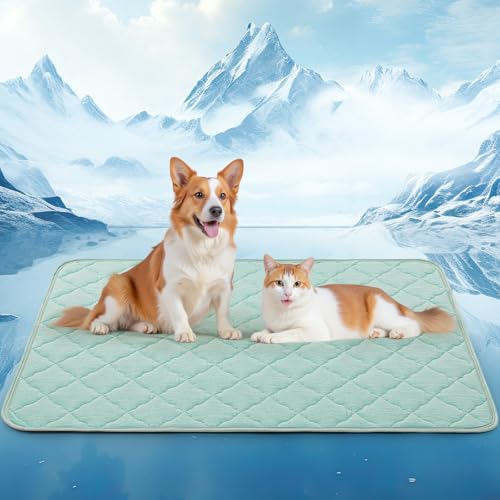
The primary safety benefit of this product is its designation as a passive textile mat. It is described as cooling through fabric alone, without the need for water, electricity, refrigeration, or a gel filling. This minimizes concerns related to chemical gel leaks. However, there is no independent verification that the cover, backing, waterproof layer, dyes, coatings, or filling have been tested for harmful residues. The claim of non-toxicity is solely made by the manufacturer. The product lacks any publicly available certification number, independent laboratory report, wash-cycle durability test, recycled-content certification, or end-of-life disposal instructions. While its washable and reusable design could help reduce waste if it remains functional over time, its long-term durability has not been confirmed. For hot weather use, it is advisable to provide water, shade, limit activity, and monitor the pet. If signs of heatstroke appear, the dog should be moved to a cooler environment and taken to a veterinarian immediately.
This product is ideal for pet owners looking for a large, passive resting mat for a calm adult dog that relaxes indoors, in air-conditioned rooms, or in shaded crates or vehicles. Its cotton filling and washable fabric design are better suited for daily naps and furniture protection rather than for intensive cooling purposes. It also fits households that require a spacious 40 by 28-inch surface and prefer a design without a water or gel reservoir. Supervision is recommended, especially during initial use.
This product is not suitable for dogs experiencing symptoms such as heatstroke, heavy panting, weakness, vomiting, confusion, or collapse. In these cases, immediate cooling measures and urgent veterinary attention are required—using a cooling mat alone is not sufficient. Additionally, it is not appropriate for strong chewers, puppies that tend to destroy bedding, or dogs that swallow textiles, as the provided instructions do not cover issues related to damage or ingestion. Buyers seeking products made from low-chemical materials, certified recycled content, long-lasting cooling effects, or orthopedic joint support should look for evidence that this product offers those features, which it does not provide.
The product is made from nylon and polyester fabrics filled with polyester fiber. This provides essential information about the materials used. Unlike many pressure-activated cooling pads, it does not feature an accessible liquid-gel chamber. Additionally, there is no evidence indicating that the finished mat is safe to chew or has undergone chemical screening. Although marketing materials claim the mat is OEKO-TEX certified, no certificate number, issuing authority, date, or specific product details are provided for independent verification. Typically, OEKO-TEX certification requires a traceable label number to confirm its validity and scope. The product is described as machine washable and is backed by a two-year manufacturer warranty, potentially allowing for extended use if performance remains consistent. However, there is no publicly available data on wash durability tests, abrasion resistance, repair options, recycled content certification, component separation design, or guidance on disposal at the end of its life. Since nylon and polyester are synthetic fibers, and no verified recycled content or practical recycling pathways are indicated for the assembled mat.
This mat is ideal for owners looking for a spacious, lightweight textile resting layer for a large dog, suitable for indoor floors, sofas, crates, or car seats. It is best suited for dogs that do not chew their bedding and can decide whether to lie on it. Its machine-washable feature makes it convenient for regular fur and small mess cleanup. Use it as an optional comfort surface in a cool, shaded area with water and supervision, rather than as a primary cooling solution.
This safety plan is not appropriate for brachycephalic dogs, senior dogs, puppies, or dogs with respiratory or heart conditions. It is also unsuitable for dogs that are already panting heavily, weak, vomiting, disoriented, or collapsing. In these cases, immediate heat management and veterinary consultation are essential, rather than relying on a resting mat. Additionally, it is not recommended for persistent chewers or dogs that tend to swallow fabric, as there are no specific instructions for damage prevention, ingestion, or replacement. Customers seeking specific cooling durations, verified chemical safety, or tested wash durability should look for more comprehensive evidence than what is currently publicly available.
Rywell states that the mat is made from nylon and polyester with a polyester fiber filling. It claims that its cooling effect is achieved through an Arc-Chill phase-change textile system, rather than an exposed water or hydrogel chamber. This means that hydrogel-specific ingestion evidence is less relevant. However, the details of the phase-change chemistry, coating chemistry, and safety data sheet have not been publicly disclosed. The brand also asserts that the materials are non-toxic and non-irritating, but no certificate number or independent chemical reports for the finished product are available to verify these claims. There are no records of any U.S. recalls or public safety warnings related to this product in the reviewed CPSC resources. Rywell offers an online customer service contact, but there is no publicly available information on lot tracing, recall procedures, repair programs, recycled-content certification, separable-component design, or end-of-life disposal guidance. While washing and air drying may help extend the product's lifespan, no validation data for wash cycles or durability has been found.
This product is ideal for owners of large dogs who need a spacious, soft resting pad for supervised indoor use, crate time, car travel, or shaded outdoor breaks. It is best suited for dogs that do not chew bedding and in situations where the owner can follow the recommended cold-wash and air-dry care routine. The specified size provides enough space for a dog to stretch comfortably. It should be considered a comfort surface to be used alongside shade, water, ventilation, activity restrictions, and supervision during warm weather.
This is not suitable as a safety plan for brachycephalic dogs, senior dogs, puppies, dogs with obesity, heart or respiratory conditions, or any dog already experiencing heat stress. These situations demand cautious heat management and prompt veterinary care if warning signs appear. Additionally, this plan is not ideal for persistent chewers, dogs that shred or swallow bedding, or households requiring verified low-chemical materials. Buyers seeking documented cooling times, independently tested wash durability, or a disclosed phase-change formulation will not find this information publicly available here.