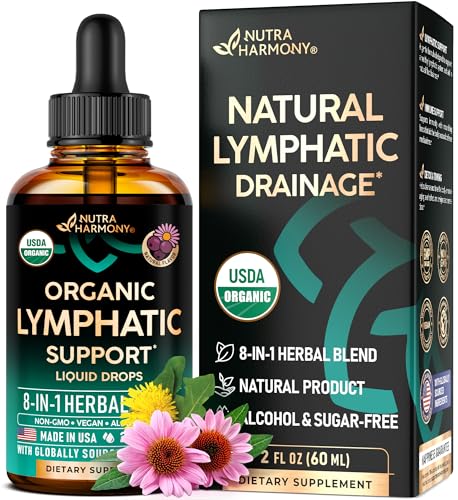
Organic Lymphatic Drainage Drops - Immune Detox
Certified USDA Organic for assured quality.
Blend of natural herbs for holistic support.
Made in USA for trusted manufacturing.
We compared the top Lymphatic Drainage Drops products so you can quickly spot the strongest options for value, features, and everyday performance.
Certified USDA Organic for assured quality.
Blend of natural herbs for holistic support.
Made in USA for trusted manufacturing.
Natural ingredients promote effective lymphatic support.
USDA Organic ensures high-quality, trusted formulation.
Vegan and non-GMO for conscious consumers.
Comprehensive 10-in-1 herbal blend formula.
Includes well-known herbs for detox support.
Convenient liquid form for easy consumption.
Award-winning formula for effective skin care.
Contains organic and natural ingredients.
Perfect travel size for on-the-go use.
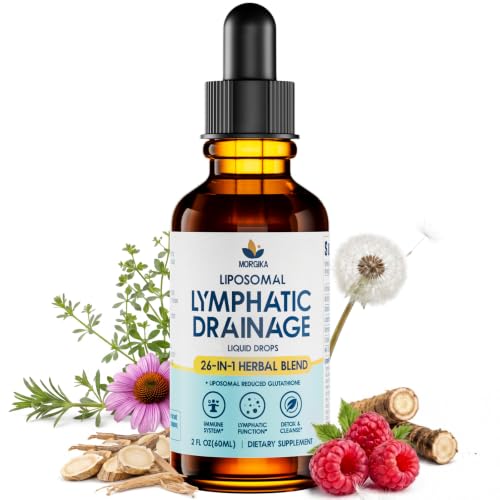
Combines 26 ingredients for comprehensive health support.
Alcohol-free formula with a pleasant strawberry taste.
Vegan-friendly and supports immune and lung health.
Comprehensive 26-in-1 formula for holistic support.
Includes natural ingredients like echinacea and turmeric.
Supports immune, lymphatic, and liver health.
Made in USA ensures high quality standards.
Supports both liver detox and immune health.
30-day supply offers great value and convenience.
Includes 30-in-1 herbal blend formula.
Sugar-free with a pleasant raspberry flavor.
Supports immune health and detoxification.
Natural ingredients support lymphatic health gently.
Includes soursop for immune system boost.
Easy-to-use liquid form for quick absorption.
Supports natural detoxification and circulation.
Made with natural, herbal ingredients.
Easy to use with dropper application.
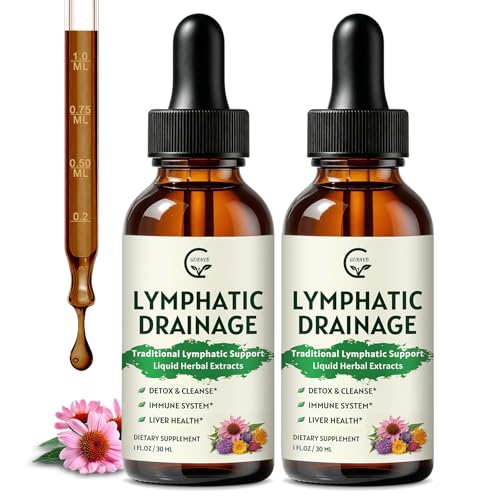
Lymphatic drainage drops are typically liquid herbal supplements marketed to support lymphatic health, fluid balance, reduce puffiness and bloating, boost the immune system, or serve as a detox aid. One product in the reviewed set is a topical facial oil intended for massage and Gua Sha, so consumers should first determine whether they prefer an oral supplement or a skincare product. Among the oral products examined, no controlled human studies were found on the finished formulas at their labeled doses demonstrating improvements in lymphatic drainage, edema, swelling, bloating, or fluid regulation. Evidence supporting individual herbs, such as standardized horse chestnut extract used for chronic venous insufficiency, does not automatically apply to multi-herb liquid formulations that are not fully disclosed.
The key question is not about the number of ingredients listed on the front label but what each daily serving actually contains. It’s important to check for every active botanical component, plant part, extract ratio, standardization, amount per serving, the labeled daily dose, and inactive ingredients. A “30-in-1” or “10-in-1” blend might sound impressive but could obscure the actual quantity of each ingredient. Even if the total amount appears large—such as 1,200 or 2,000 mg—it may only represent the combined weight of all ingredients rather than the effective dose of any single herb. Discrepancies in ingredient counts, flavor descriptions, bottle sizes, or total blend weights should prompt caution rather than assuming a higher number indicates greater potency or quality.
Claims regarding quality also need independent verification. Phrases like “third-party tested,” “GMP certified,” “ISO tested,” or similar terms are not equivalent to current, product-specific certification. The most reliable independent quality indicator in this set was a listing with the Clean Label Project for the exact product. For dietary supplements, recognized verification programs include the USP Verified directory, NSF/ANSI 173 listings, NSF Certified for Sport, ConsumerLab records, and searches through Informed Sport or Informed Choice. Generic facility-level claims do not guarantee that the specific bottle being purchased has been certified.
A more meaningful transparency signal is a recent, lot-specific Certificate of Analysis (COA) from an accredited laboratory. This document should match the lot number and expiration date on the bottle and include analytical results for ingredient identity, potency, and potential contaminants like heavy metals, microbes, pesticides, mycotoxins, undeclared drugs, or adulterant botanicals. Certificates from unnamed labs or vague statements indicating testing without an actual report provide less reassurance. Additional details such as a U.S. address, contact info, lot code, expiration date, adverse event reporting contact, and clear manufacturer identification facilitate traceability.
Any health claims should align with the available evidence. Statements like “supports wellness” are broad and different than specific claims such as draining lymph nodes, flushing trapped fluid, detoxifying, reducing inflammation, treating swelling, or replacing medical treatment, which are not supported by typical dietary supplement evidence. Organic claims should be backed by current USDA or certifier documentation covering the product or its ingredients, not just vague labels or seller assertions. Packaging details—such as the materials used for bottles and droppers, clear recycling instructions, and minimized packaging—are more meaningful indicators of environmental responsibility than vague “eco-friendly” slogans.
Safety considerations are critical. Consumers are advised against self-treating new, painful, persistent, or rapidly worsening swelling, shortness of breath, painful lymph nodes, sudden weight gain, suspected lymphedema, or unexplained bloating. Pregnant or breastfeeding women, children, individuals preparing for surgery, those with kidney or liver disease, allergies—especially to echinacea or plants from the daisy family—and those on regular medications should consult a healthcare professional before use. Ingredients like goldenseal, licorice, echinacea, cat’s claw, and others in multi-herb formulas may cause interactions or allergies. One product contained undisclosed amounts of methylene blue and sodium dichloroacetate, raising serious concerns regarding interactions with serotonergic medications, G6PD deficiency, kidney impairment, pregnancy, and nerve toxicity. These products should not replace a clinical evaluation and professional medical advice.

A: Lymphatic drainage drops aid in supporting the body's natural detox process by stimulating lymphatic circulation. They contain herbal ingredients that may help reduce fluid retention and facilitate toxin elimination, contributing to a healthier lymphatic system.
A: Yes, these drops can help diminish swelling and inflammation by boosting lymph flow. By improving lymphatic system efficiency, they help alleviate related symptoms caused by excess fluid and inflammatory responses.
A: In most cases, lymphatic drainage drops are safe for everyday use when used according to the recommended dosage. However, if you have any health concerns, it's advisable to consult a healthcare professional before use.
A: The timeframe for noticeable results varies based on individual factors such as metabolism and overall health. Some users might observe benefits within a few days, while others may require several weeks to notice significant changes.
A: Yes, these drops can be used alongside other detox strategies like maintaining a balanced diet and exercising regularly. Combining these approaches may enhance detoxification and overall health benefits.
The scores presented below are based on the provided reviews and the predefined topic definitions. A higher score indicates more substantial evidence or disclosures related to that product. However, it does not imply that the product is effective in treating lymphatic disease or swelling.
This assessment evaluates controlled human evidence for the finalized liquid product at its labeled serving size, not for individual herbs or traditional uses. This distinction is important because no oral product on the market has demonstrated controlled human evidence supporting benefits such as lymphatic drainage, edema reduction, bloating relief, or fluid balance at the recommended dose. The scores ranged from 45 to 70, and even the higher-scoring products largely lacked confirmed benefits for the finished product.
This assessment evaluates whether the full formulation has a solid safety foundation and clearly considers factors such as pregnancy, breastfeeding, children, allergies, surgery, kidney or liver conditions, and medication use. This is particularly crucial for complex blends that include ingredients like echinacea, goldenseal, licorice, cat’s claw, or other botanicals. The scores ranged from 32 to 74; higher scores indicated more comprehensive warnings, whereas lower scores left significant risks inadequately explained.
This assessment evaluates the reliability of finished-product testing for heavy metals, microbes, pesticides, mycotoxins, undeclared drugs, and incorrect or substituted botanicals. It is important because many sellers claimed to perform testing but did not provide reports that could be verified against batch data. Scores ranged from 68 to 86; products with higher scores demonstrated more robust documented or independently validated quality indicators, whereas lower scores indicated claims that could not be independently verified.
Achieving a high score depends on clearly listing key details such as active ingredients, plant parts used, extract information, quantities, daily dosage, and inactive ingredients. This transparency is especially important for drops, as liquid volume alone doesn’t indicate botanical exposure. Scores ranged from 38 to 69. Factors that lowered scores included proprietary blends, missing Supplement Facts panels, inconsistent ingredient counts, and undisclosed extract amounts, even when many herbs were listed.
This assesses whether a responsible U.S. business can be identified, including contact details, lot and expiration information, adverse event contact, and manufacturing controls, along with an evaluation of relevant enforcement history. Liquid supplements require this information when safety concerns are raised. The scores ranged from 38 to 78; products with higher scores offered more transparent business or labeling details, whereas lower-scoring products provided minimal manufacturer identification or verification.
This assessment evaluates independently verified organic production and traceability for botanical ingredients, including wild-harvested plants. It is important because labels such as "organic," "natural," and "non-GMO" do not necessarily indicate how the ingredients were actually sourced. The scores ranged from 68 to 80; the highest-rated product was backed by certified quality and an organic certification label. However, most products lacked publicly available records from USDA, certifying organizations, or FairWild certifications linked to the product.
This assesses whether the bottle, dropper, cap, outer packaging, and shipping materials are designed to be minimized, reusable, or recyclable within practical U.S. recycling systems, including detailed information about the materials used. Evaluating the glass bottle alone does not provide insight into the disposal or recyclability of the dropper or cap. The scores ranged from 68 to 72, indicating only modest differentiation, primarily because most reviews did not include resin codes, specific material details, or recycling instructions.
This metric evaluates whether advertising distinguishes between cautious wellness language and claims to detox organs, drain lymph nodes, alleviate swelling, cure diseases, or substitute medical care. It is important because phrases related to lymphatic and detox treatments can suggest medical benefits that have not been proven. Scores ranged from 42 to 76; advertisements with higher scores tended to use more measured and restrained language, whereas those with lower scores made claims about fluid removal, detoxification, reducing inflammation, or relieving visible swelling.
This necessitates up-to-date, product-specific certification from an independent organization that audits manufacturing processes and tests for identity, labeled quantity, and contaminants. Simply being labeled as “third-party tested” or “GMP certified” is insufficient. Typically, scores ranged from 68 to 70, but one particular product achieved a notably higher score of 88 because it is listed in the Clean Label Project’s current register of certified products. Additionally, another brand received an NSF notice that challenged an unauthorized certification claim.
This assesses whether there is a recent certificate of analysis corresponding to the product's batch and expiration date, providing detailed information such as numerical identity, potency, testing methods, and results for relevant contaminants from a certified laboratory. This is important because generic testing claims cannot verify a specific bottle. Scores ranged from 68 to 70, indicating a general lack of publicly available, lot-specific reports for the products evaluated.
The product features a notable organic certification point. Its bottle indicates Americert International as the certifier, and Americert is accredited by the USDA National Organic Program. This supports the product’s organic certification, though there are no publicly available records of ingredient sources, wild-harvest traceability, or chain-of-custody documentation for this specific formula. The manufacturer reports using an amber glass bottle and a calibrated glass dropper, which can help reduce dependence on all-plastic containers and ensure precise dosing. However, since the dropper is made from mixed materials, it needs to be separated for recycling where local facilities accept such components. No specific recycling instructions for the packaging were identified. Additionally, there are no records of FDA recalls or warning letters related to this product or its distributor in the U.S. databases searched. The manufacturer states that third-party testing for heavy metals and microbiological contaminants has been conducted, but publicly accessible lot-specific test results are not available.
This product is ideal for adults seeking a small, alcohol-free liquid botanical blend for a straightforward daily wellness routine. It is designed for those who prefer measured dropper dosing and understand that its claims regarding lymphatic and fluid balance are not supported by controlled trials of the final product. The 60-serving bottle is suitable for someone using the recommended 1 mL daily dose. It may also appeal to buyers who prioritize an organic certification from a reputable USDA-accredited certifier, even though the specific herbal doses are not disclosed.
This product is not recommended for pregnant or breastfeeding individuals, children, or anyone with a known allergy to echinacea, ragweed-family plants, or any of the listed botanicals. People taking prescription medications, particularly immunosuppressants or drugs processed by the liver, should not rely solely on the general warning for specific interactions. Additionally, it is not appropriate for those seeking treatment for leg swelling, chronic edema, lymphatic disorders, infections, kidney or liver conditions, or unexplained bloating. Such symptoms require medical evaluation rather than a dietary supplement.
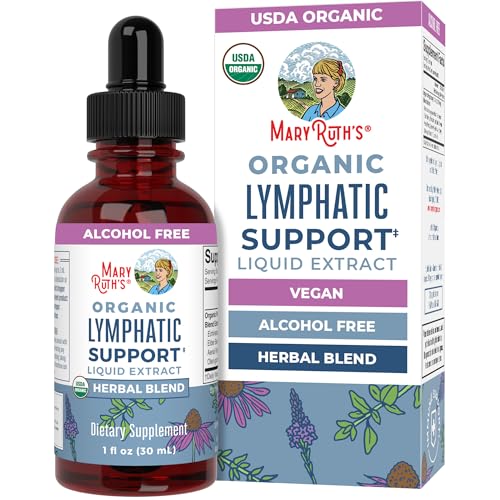
The most reliable quality indicator is the product-specific Clean Label Project certification. This program states that certified products are randomly sampled and tested annually by an independent laboratory accredited under ISO 17025. Their supplement testing covers contaminants such as metals, pesticides, phthalates, bisphenols, and, when relevant, antibiotics. However, the certification does not disclose the specific test results, lot numbers, botanical identity details, or labeled potency figures. The product label indicates USDA Organic certification, granted by Americert International. The liquid contains organic glycerin and purified water. While organic certification confirms controlled agricultural inputs, the origins of ingredients and wild-harvest traceability are not provided. The amber bottle and dropper lack verified recycled content, resin details, refill instructions, or guidance for local recycling. According to FDA records, in 2021, two lots of a different MaryRuth's infant probiotic were recalled due to potential Pseudomonas contamination. This recall did not involve or mention this lymphatic product.
This product is designed for adults seeking a small, alcohol-free, USDA Organic liquid herbal blend and who value certified contaminant-free quality. Its dropper bottle may appeal to those who prefer liquids over capsules and wish to take 1 mL directly or mix it with water or juice. It is intended as a general wellness herbal supplement rather than a scientifically proven treatment for fluid retention, swollen limbs, lymphedema, infections, or any diagnosed medical condition.
This product is not suitable for children or for individuals attempting to self-treat persistent swelling, sudden unilateral swelling, shortness of breath, painful edema, or diagnosed lymphedema. Such symptoms require professional medical evaluation. Additionally, pregnant or breastfeeding women, those on prescription medications, individuals preparing for surgery, or those with kidney, liver disease, ragweed, or echinacea allergies should consult a healthcare professional before use. The proprietary blend also makes it unsuitable for buyers who need precise dosages for each herb or standardized extract information.
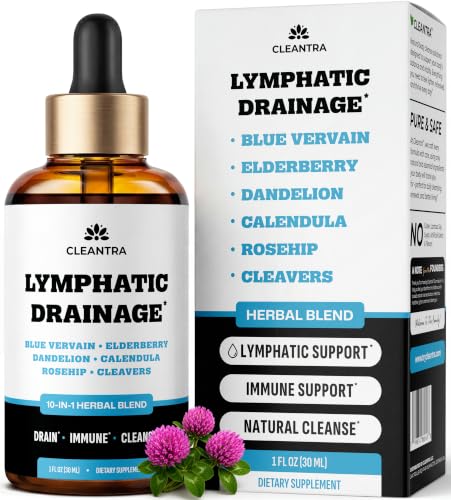
The label lists ten botanicals within a 250 mg proprietary extract blend, along with ingredients such as vegetable glycerin, purified water, citric acid, and natural flavors. While the named ingredients help identify potential allergies and interactions, the proprietary blend prevents determination of the individual ingredient dosages. NCCIH points out that echinacea may cause allergic reactions, could interact with medications, and has limited safety information during breastfeeding. Additionally, the product’s public materials lack the necessary cautionary statements for higher-risk users. Although Cleantra displays symbols indicating GMP, ISO, vegan, and non-GMO standards, there is no information about the specific certifier, inclusion in an independent certification registry, lot-specific certificates of analysis, or publicly available contaminant test results. No relevant FDA recalls or warning letters for Cleantra were found in the sources checked. The product comes in a glass container with a dropper—potentially recyclable locally—but the brand does not specify the material, provide recycling instructions, confirm organic certification, or supply documentation on ethical botanical sourcing.
This product is primarily intended for adults who specifically prefer a small, once-daily liquid herbal supplement and recognize that it is a wellness aid rather than a proven treatment for edema or lymphatic conditions. It is suitable for individuals comfortable measuring 1 mL doses and using a 30-serving bottle, preferably after consulting with a pharmacist or healthcare provider to review the full list of ingredients. The formula is not appropriate for those who require precise ingredient-level dosing, standardized extracts, or independently verifiable batch testing.
This product is not suitable for individuals experiencing new, unilateral, painful, rapidly worsening, or unexplained swelling; shortness of breath; chest pain; or swelling following cancer treatment. Such symptoms require prompt medical evaluation rather than self-treatment with drainage drops. It should be avoided without medical supervision during pregnancy or breastfeeding, in children, before surgery, and by people with ragweed allergies, immune system conditions, kidney or liver disease, or who are taking prescription medications. Echinacea may cause allergic reactions and can interact with immunosuppressive drugs. Additionally, ginger may increase the risk of bleeding due to its blood-thinning properties.
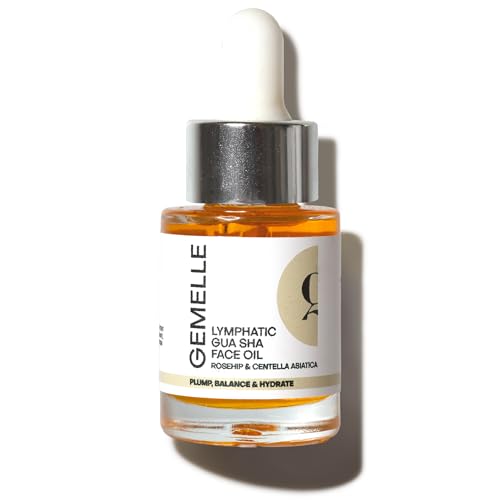
The available ingredient information indicates a plant-oil-based formulation containing bakuchiol, centella asiatica, rosehip, jojoba, sunflower, watermelon, baobab, sea buckthorn, and squalane. The independent ingredient list also includes ylang-ylang oil, linalool, and geraniol. The FDA recognizes linalool and geraniol as fragrance allergens that may cause contact reactions in sensitive individuals. However, the presence of natural and botanical ingredients alone does not necessarily mean a lower risk of irritation. The manufacturer describes the ingredients as natural and organic, while the product is marketed as vegan, cruelty-free, and free of parabens. No current independent certifications such as USDA Organic, COSMOS, Leaping Bunny, NSF, USP, or similar standards were found for this product. Additionally, no public batch certificates detailing ingredient identity, potency, or testing results for microbial contamination, pesticides, or heavy metals are available. Packaging details and recyclability instructions have not been disclosed, making it difficult to assess waste management and environmental impact beyond the small bottle size.
This product is suitable for adults seeking a small amount of leave-on oil primarily for facial massage and who are already accustomed to botanical oils and scented essential oil ingredients. The recommended usage of 3-5 drops, as suggested by the manufacturer, may appeal to individuals who use a gua sha tool and prefer a product formulated for smooth massage rather than a water-based serum. It is also relevant for consumers who recognize that bakuchiol has some supporting evidence in other topical formulations, but understand that this product does not disclose its bakuchiol concentration or provide results from a clinical study on the finished product.
This product is not suitable for individuals seeking treatment for ongoing facial swelling, suspected lymphedema, post-surgical swelling, edema, acne, or any medical condition. Such issues require professional medical evaluation rather than a cosmetic oil promoted as part of lymphatic rituals. It is also not recommended for those with known sensitivities to fragrances, linalool, geraniol, ylang ylang, or other botanical oils, nor for users with active dermatitis or broken skin. Additionally, the conflicting information regarding size and retinol content makes it unsuitable for buyers who require a fully verified ingredient list prior to use.
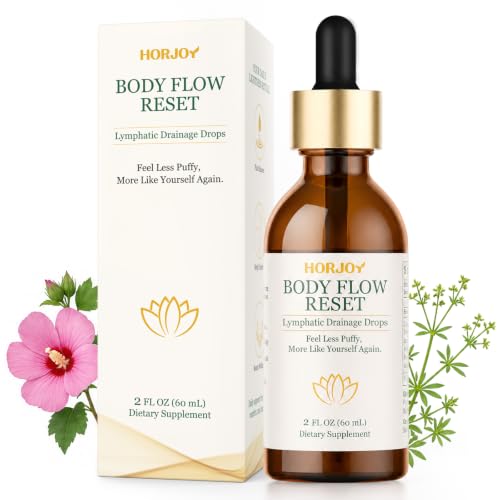
The primary safety concern stems from the complexity of the formula combined with a lack of detailed dosage information. The product contains goldenseal, which the NCCIH warns may have significant drug interactions and advises against use during pregnancy, breastfeeding, and infancy. Additionally, echinacea may cause allergic reactions and could interact with certain medications. However, the product materials do not include clear, specific warnings regarding these issues. No controlled human studies have been found for this entire liquid formula or for its claimed lymphatic and de-puffing benefits. The manufacturer claims that each batch is third-party tested and produced in GMP and NSF-certified facilities. Nevertheless, there is no listing for the product in recognized independent certification databases, and no lot-specific laboratory reports are available for review. Documentation verifying USDA Organic or FairWild certification for the botanicals has not been found. The packaging consists of an amber glass-style dropper bottle, but details about the material specifications, recycling instructions, outer packaging, and sourcing information are not provided.
This product is primarily suitable for healthy adults who prefer a liquid supplement over capsules and recognize that its claims regarding lymphatic health, fluid balance, immunity, and detoxification are made by the manufacturer as wellness statements. The 2 fl oz size may appeal to consumers interested in a brief trial of a multi-ingredient herbal and vitamin liquid, as long as they can access the full bottle label and verify the serving instructions, lot number, expiration date, and safety details prior to use. It is not a proven treatment for swelling or ongoing bloating.
Self-treating for new, unilateral, painful, severe, or persistent swelling; shortness of breath; rapid weight gain; or ongoing abdominal bloating is not advisable, as these symptoms require medical evaluation. Avoid use during pregnancy, breastfeeding, and infancy because it contains goldenseal and various botanicals with limited safety information for these groups. Children, individuals with kidney or liver conditions, and those preparing for surgery should consult a healthcare professional. Additionally, anyone taking prescription medications—especially metformin, anticoagulants, immunosuppressants, or drugs with a narrow therapeutic window—should seek advice from a pharmacist or clinician before use.
The formula includes multiple botanical ingredients, and assessing their safety is difficult without knowing the specific daily amounts of each. Goldenseal raises particular concerns, as NCCIH reports that it can interact with numerous medications and has been shown to reduce metformin levels in human studies. Echinacea may cause allergic reactions, especially in individuals allergic to certain plants. The presence of many different botanicals also makes it more important to evaluate potential interactions than it would be for a supplement containing only one ingredient. Migcopat states that their drops are made in the United States, are non-GMO, produced in an NSF- and GMP-certified facility, and undergo third-party testing. However, these claims have not been independently verified for this specific product through public NSF, USP, or similar certification registers, and no lot-specific certificate of analysis has been found. Additionally, there is no verified organic certification, documentation of botanical origins, packaging material specifications, recycling instructions, or responsible wild-harvesting information available. The product is packaged in a small dropper bottle, but its recyclability cannot be confirmed based on the provided materials.
This format may be suitable for an adult who prefers a medication-free, small liquid supplement over capsules and is interested in a multi-herb formula provided by the manufacturer for general wellness testing. It is best suited for someone willing to review all 16 listed botanicals, avoid taking other supplements containing similar vitamins or herbs to prevent duplication, and accept that detailed information on individual doses and clinical evidence for the finished product is not publicly accessible. It should not be used as a replacement for medical evaluation of ongoing swelling, unexplained bloating, breathing difficulties, or suspected liver issues.
This product is not recommended for pregnant or breastfeeding women, individuals trying to conceive, children receiving supplements, or those caring for a newborn. Goldenseal should be avoided during pregnancy and breastfeeding, as it can interfere with medication processing. People taking medications such as metformin, warfarin, transplant drugs, immunosuppressants, or other prescription medicines should consult a pharmacist or healthcare professional before use. Additionally, do not use this product to self-treat symptoms like leg swelling, facial swelling, shortness of breath, jaundice, or conditions such as kidney or liver disease, or if you suspect an allergic reaction.
Echinacea is known to be safe in the short term; however, it may cause digestive upset and allergic reactions. Federal health authorities also highlight potential drug interactions, particularly with immunosuppressants, and note limited safety data for use during breastfeeding. The product’s formulation includes seven additional botanicals, but their individual doses are hidden within a single 1,000 mg proprietary blend. The label does not provide comprehensive precautionary language needed to evaluate all possible exposures. A review of FDA recall notices and warning letters revealed no specific actions taken against this particular brand or product. However, this does not confirm that the product has undergone finished-product testing. No publicly available certificates of analysis, USP or NSF verification, organic certification, or responsible wild-harvesting documentation were found. The product is packaged in an amber bottle with a dropper, but no information regarding material-resin content or recycling instructions was available, making it difficult to assess the environmental impact of its packaging.
This formulation may be suitable for adults seeking a small, glycerin-based liquid botanical mixture, particularly those comfortable using it for overall wellness rather than specific conditions like swelling or lymphatic disorders. It offers an advertised 30-day supply and can be easily mixed into a drink. Buyers should be aware that the exact dosage of each botanical is unspecified and should inspect the product upon receipt, as the promotional ingredient graphic may not precisely align with the information listed on the Supplement Facts panel.
This product is not appropriate for individuals attempting to self-treat persistent leg or facial swelling, diagnosed lymphedema, unexplained bloating, liver disease, or acute illnesses. These symptoms require professional medical evaluation. It is also unsuitable for pregnant or breastfeeding women, children, those with known allergies to ragweed or echinacea, and individuals taking immunosuppressants or medications influenced by liver enzymes. Additionally, the undisclosed individual dosages and the inconsistent presentation of ingredients underscore the importance of consulting a healthcare professional or pharmacist, especially for those on regular medications.
The ingredient list raises important safety concerns. NCCIH highlights that echinacea may cause allergic reactions and can interact with certain medications, while goldenseal could affect how the body processes drugs such as metformin. The product’s proprietary blend format prevents identification of individual botanical exposures. Although searches did not reveal any FDA recalls, warning letters, or public exposure alerts related to this product, this does not necessarily indicate that the finished product has undergone testing. Additionally, no current certifications from organizations like USP, NSF, Informed Sport, or other independent certifiers were found for this product. There is no publicly available lot-specific certificate of analysis. Retail listings mention that the product is vegan and gluten-free, but there is no evidence of organic certification, botanical origin documentation, wild-harvest traceability, packaging resin identification, recycling instructions, or information on environmentally friendly packaging.
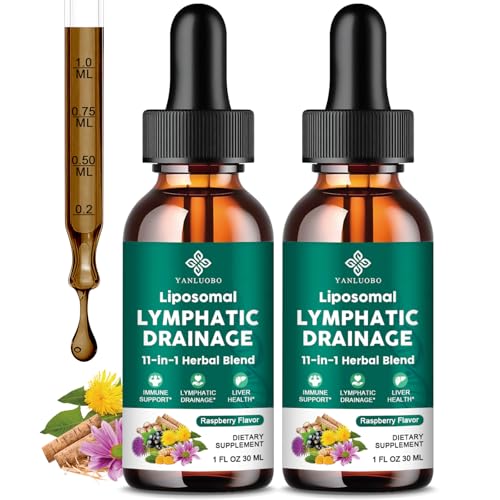
This format may be suitable for a healthy adult who prefers a small daily liquid dose over capsules and understands that the product is a multi-herb wellness supplement, not a treatment for swelling or lymphatic conditions. It is most practical for someone comfortable with a raspberry-flavored, sugar-free formula in a roughly 30-day supply bottle. Such a user should be willing to review the complete ingredient list with a pharmacist or healthcare professional before use, as the specific herb dosages and extract details are not disclosed.
This product is not suitable for children, or for use during pregnancy and breastfeeding unless directed by a healthcare professional. Additionally, individuals with ragweed or daisy-family allergies, autoimmune conditions, liver or kidney issues, high blood pressure, unexplained swelling, or ongoing swelling of the legs, face, or abdomen should avoid it or seek professional guidance. Those taking prescription medications—particularly immunosuppressants, diabetes medications, anticoagulants, transplant drugs, or medications with narrow therapeutic ranges—should consult a pharmacist or healthcare provider before using a formula that contains goldenseal, licorice, ginseng, or echinacea.
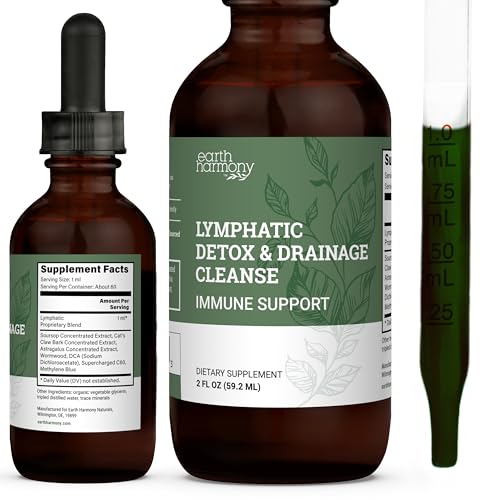
The primary health concern relates to the complexity of the formula rather than the presence of herbs alone. The proprietary blend listed includes methylene blue and sodium dichloroacetate alongside soursop, cat’s claw, astragalus, wormwood, and C60, but no individual dosages are provided. There is limited high-quality human research on cat’s claw, and it carries cautionary warnings regarding pregnancy, surgery, autoimmune conditions, and medication interactions. A controlled trial involving sodium dichloroacetate at much higher medical doses was discontinued early due to peripheral nerve toxicity. While this does not confirm risk at the unlisted amount used here, it underscores the importance of transparent dosing and healthcare professional review. Earth Harmony indicates a U.S.-based business address and claims that its facilities are cGMP, organic, and kosher certified, with raw materials tested for identity, microbes, and heavy metals upon receipt. However, these are manufacturer statements and do not constitute public proof of finished product testing results. The product lacks any certification from USP, NSF, Informed Sport, or similar organizations, and there are no publicly available lot-specific certificates of analysis, verified organic certificates at the product level, or detailed information on bottle and dropper disposal. Only the vegetable glycerin is identified as organic in the ingredient list.
This product is primarily suitable for adults who prefer a liquid, plant-based supplement and are able to consult with a healthcare professional or pharmacist to review its detailed ingredient list before use. The roughly 30-day bottle may appeal to individuals looking for a short-term trial rather than a long-term supply. However, it is not a well-established treatment for issues such as swelling, ongoing bloating, painful lymph nodes, infections, or diagnosed lymphatic conditions. Symptoms like these require medical evaluation rather than self-guided detoxification.
This product is not suitable for pregnant or breastfeeding women, children, individuals with G6PD deficiency, or those taking antidepressants, opioids, anticoagulants, antiplatelet medications, blood pressure drugs, or diabetes medications unless a healthcare professional specifically evaluates and approves its use. Cat’s claw may influence blood clotting and immune function. Prescription methylene blue has significant warnings related to serotonergic drug interactions, and its exact quantity is not disclosed. Do not attempt to self-treat new or worsening edema, swelling of one limb, shortness of breath, fever, severe pain, or unexplained enlarged lymph nodes.
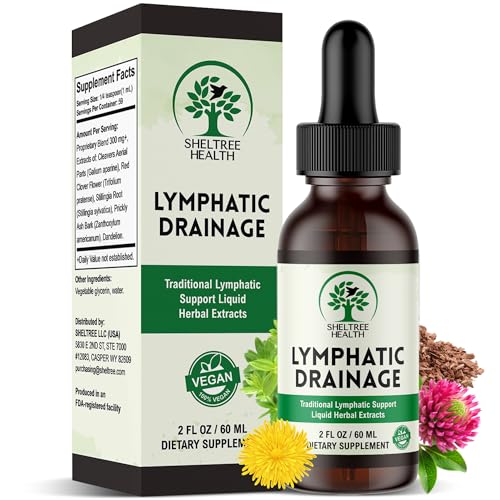
The formula contains several botanicals that require careful consideration regarding safety. According to resources from NIH and NCCIH, there is uncertainty about the safety of echinacea, dandelion, and milk thistle during pregnancy and breastfeeding. Dandelion may potentially interact with medications such as anticoagulants, antiplatelet drugs, diabetes medications, and diuretics. Red clover contains phytoestrogens and is not recommended for use during pregnancy or breastfeeding. The product labeling does not prominently include specific warnings for this particular combination. The manufacturer claims that the product is vegan and formulated with clean ingredients, and it is presented in an amber dropper bottle. However, there is no evidence of independent organic certification, responsible wild-harvesting documentation, third-party certification specific to this product, lot-specific testing reports, or detailed packaging material specifications. Although the ingredient image suggests that elderberry and milk thistle are organic, no certifying organization or certification documentation for this product could be verified. Additionally, searches of FDA recall and warning-letter databases did not reveal any product-specific issues related to this product based on the available information.
This product is ideal for adults seeking a small liquid botanical supplement with a dropper. Users should understand that its wellness claims are made by the manufacturer and are not proven treatments for swelling or lymphatic conditions. The ingredient list may attract those already knowledgeable about herbs like echinacea, dandelion, and horse chestnut. It’s important to review the complete directions, Supplement Facts, lot number, and warnings on the physical bottle before use.
This product is not appropriate for individuals experiencing new, unilateral, painful, red, or sudden swelling in the leg, shortness of breath, or chest pain, as these symptoms require immediate medical evaluation rather than supplementation. It should also be avoided without medical supervision during pregnancy and breastfeeding, as well as by children. Additionally, people taking anticoagulants, antiplatelet agents, diuretics, or medications for diabetes, immunosuppressants, or other prescribed drugs should consult a healthcare professional before use. Those with kidney or liver conditions, hormone-sensitive health issues, or plant allergies should seek medical advice specific to their situation prior to using this product.