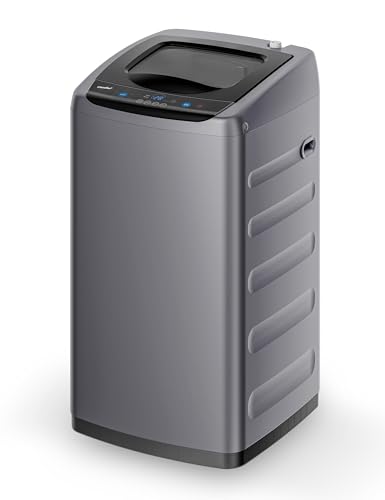
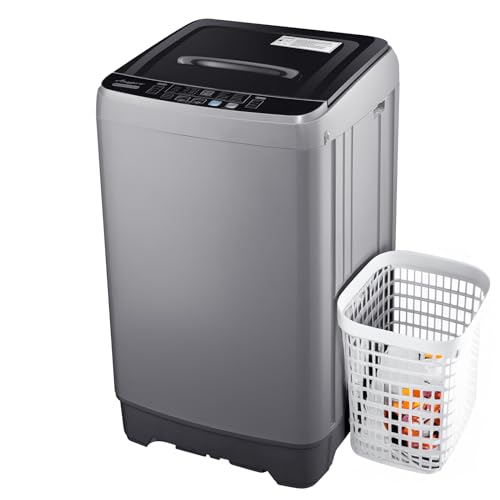
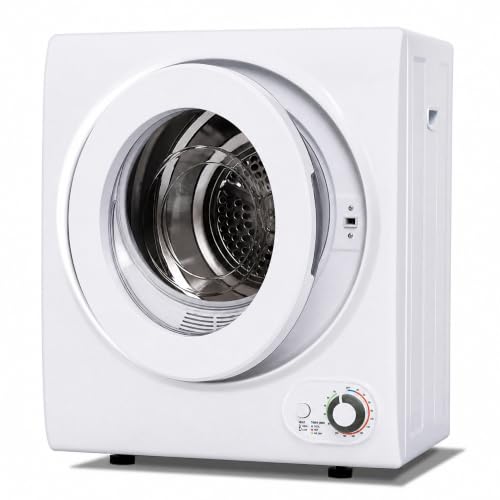
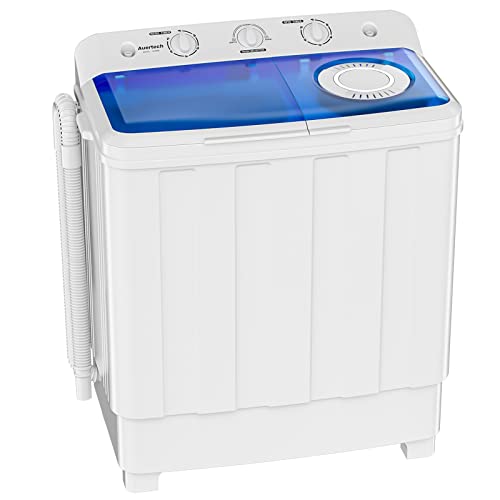
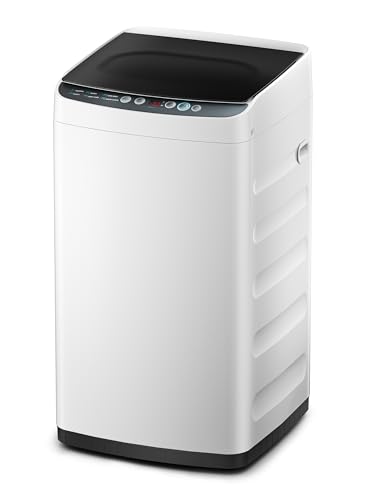
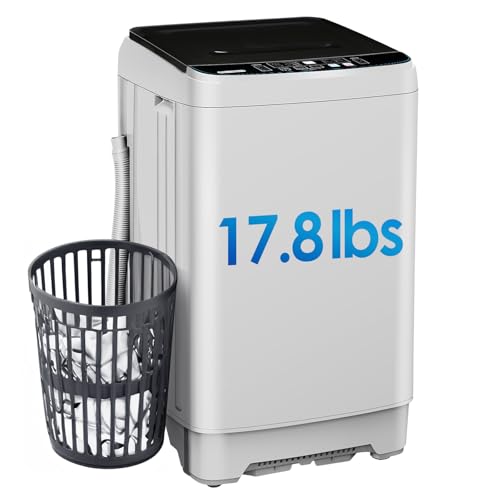
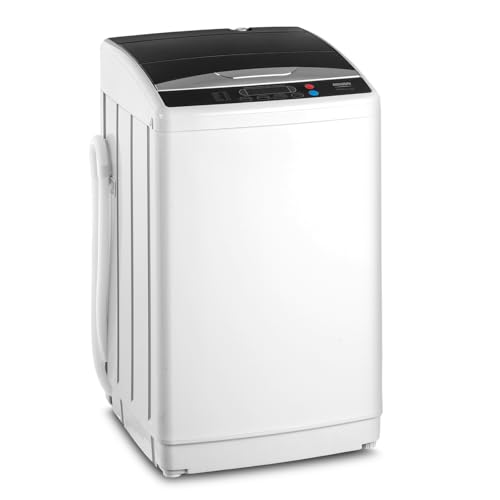
Anypro Portable Washing Machine and Dryer Combo
Versatile with 10 wash programs.
Compact design ideal for small spaces.
Easy operation with full automation.
We compared the top Portable Washing Machine And Dryer products so you can quickly spot the strongest options for value, features, and everyday performance.
Versatile with 10 wash programs.
Compact design ideal for small spaces.
Easy operation with full automation.
Easy to move with built-in wheels.
Six wash programs for versatile cleaning.
Compact size ideal for small spaces.
Compact size perfect for small spaces.
Six wash cycles for versatile cleaning.
Transparent lid allows easy load monitoring.
Convenient 5 wash cycles for various needs.
Space-saving design fits small living spaces.
Easy mobility with built - in rollers.
Efficient washing and drying in one unit.
Space-saving design for small living areas.
User-friendly controls with multiple wash settings.
Compact design fits perfectly in small spaces.
Offers versatile wash programs for different needs.
Convenient hot wash options for better cleaning.
Compact design fits small spaces like apartments or RVs.
Easy-to-use controls simplify laundry tasks.
Stainless steel tub ensures durability and longevity.
Compact size fits small spaces easily.
Quick connect adapter simplifies setup.
Transparent lid allows monitoring wash cycle.
Compact design fits small spaces easily.
High efficiency with low water usage.
Lightweight for easy portability and storage.
Compact design fits in small spaces.
Energy-efficient with low water usage.
Easy to operate with clear controls.
Portable washing machines and dryers are designed for settings without traditional laundry hookups, such as apartments, dorms, RVs, secondary living spaces, and small installations. This category includes various product types:
- A portable washer may wash and spin-dry but leave clothes damp.
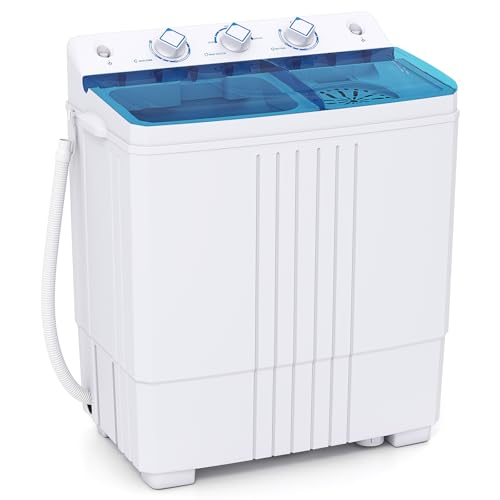
- Twin-tub models require manual filling, rinsing, draining, and transferring laundry between tubs.
- Compact dryers can heat and tumble clothes but do not wash.
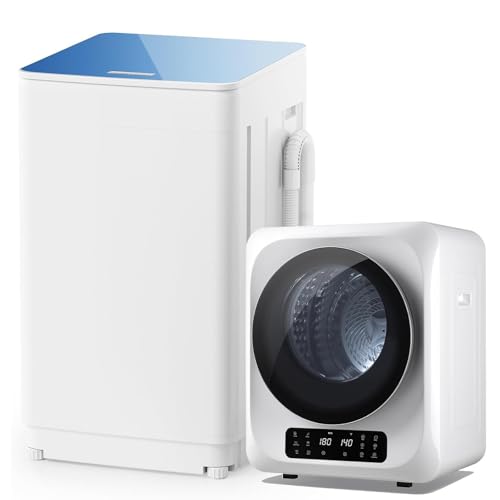
- Some sets combine separate washer and dryer units.
- "Washer-dryer combo" products may use "dryer" to refer to spin extraction rather than actual drying.
The most important factors are the specific functions and load capacities. Headline capacities may combine a wash tub with a smaller spin tub, specify wet weight rather than dry, or pair an 18-pound washer with a dryer rated for just 5.5 pounds. It’s essential to consider cubic feet, weight limits, dry and wet loads, and spin capacity as separate metrics. Spin extraction doesn’t equate to complete drying—clothes may still need line drying or a separate heater-dryer. Dimensions should be checked for hose clearance, lid or door opening space, ventilation, and available floor area, not only the advertised footprint.
For washers, look for user manuals that specify grounded 120-volt power requirements, advise against unsafe extension cord use, explain faucet connections, drain hose height, retention, leveling, load limits, imbalance response, lid safety, and maintenance. Safety claims should cover the entire appliance and not just individual components or badges. The most reliable evidence comes from a current, traceable listing in a U.S.-recognized testing laboratory’s public database (such as UL, Intertek ETL, CSA). A manufacturer’s claim of certification (“UL,” “ETL,” or “CSA”) is only valid if the specific product can be verified in the certifying body’s records.
For heated dryers, confirm the exhaust routing, clearance needs, lint-filter instructions, thermal protections, load limits, and door-opening behavior. Vented dryers may require outdoor metal ducting; they are not inherently safe to operate in small enclosed spaces. Claims of fast drying, energy efficiency, UV cleaning, sanitizing, or germ reduction must be backed by specific testing conditions. Cycle names or maximum temperatures alone do not prove disinfection. Cleaning and rinse performance should be supported by test data on specific models, with hygiene claims limited to demonstrated parameters like temperature, duration, detergent, and load size.
Environmental claims need substantiation as well. A government-regulated EnergyGuide label, DOE Certification, or an exact-model ENERGY STAR listing provides meaningful information over vague terms like “eco-friendly” or “high efficiency.” Key metrics include water use per load, electricity consumption per wash or dry cycle, and how poor spin extraction can affect drying time. Repairability depends on more than warranty coverage; buyers should look for identifiable manufacturers, manuals, service contacts, parts support, and availability of replacement hoses, filters, lids, or other worn components.
Common concerns highlighted in reviews include the absence of publicly accessible, comprehensive NRTL listings for many products, lack of independent testing for cleaning or rinsing performance on specific models, and the absence of concrete efficiency data for most. Several units show conflicting capacity or electrical specifications, manuals that are not clearly model-specific, or marketing descriptions that equate spin extraction with drying. Using portable units also requires supervised setup of hoses and drains, a grounded outlet, stable leveling, and appropriate permissions for use in building or RV environments. Heated dryers demand careful lint management and outdoor venting. Laundry devices should not be relied upon for sanitation-sensitive loads unless their temperature, duration, detergent use, and hygiene efficacy have been verified through testing.

A: To connect a portable washing machine and dryer to your sink, typically, you'll need a faucet adapter that attaches directly to your sink tap. The water inlet hose from the appliance connects to this adapter, allowing for easy water filling. Make sure your sink can accommodate the adapter for a seamless setup.
A: Portable washing machines and dryers are designed for smaller loads. They may not be suitable for full-sized laundry, but are ideal for small batches. These appliances are perfect for apartments or limited spaces where only small loads are needed.
A: Generally, portable washing machines and dryers are more energy-efficient than full-sized units, using less water and electricity. This can help lower your utility bills and reduce your environmental impact, offering convenient laundry in an eco-friendly way.
A: While some noise is unavoidable, many modern portable washers and dryers operate quietly. Noise levels vary by model and placement surface, but they usually produce less noise than traditional machines, making them suitable for small living spaces.
A: When choosing a portable laundry set, consider size, capacity, and energy efficiency. Think about storage space and ease of movement. Select models with features that suit your needs, such as quick wash cycles or adjustable settings for convenience.
These topics distinguish between a compact laundry appliance suitable for small spaces and one whose safety, performance, and environmental claims can be verified. The scores are based on the product reviews provided; the absence of certification or testing evidence reduces confidence, even if the product includes helpful manufacturer instructions.
This provides credible evidence that the specific product effectively cleans soils and rinses out detergent, while sanitizing claims are limited to conditions that have been demonstrated. Among the products tested, scores range from 54 for the HAVA T02 to 72 for the BLACK+DECKER washer. Generally, higher-scoring models offer rinse options or more detailed and consistent operating information. However, none of the tested products have undergone independent testing for cleaning and hygiene performance on exact models.
This inquiry pertains to whether the full washer or heated dryer has an active, verifiable U.S. NRTL listing—not just a component certification or a seller's claim. Most scores fall within the range of 68 to 72, indicating that certification gaps are widespread. While a higher score indicates more substantial evidence, many reviews explicitly state that an exact UL, ETL, or CSA certification could not be verified.
This evaluation assesses hose connections, drain routing, overflow management, pump or gravity-based drainage, and safeguards to prevent water from reaching electrical components. Scores range from 68 to 88. The highest-scoring dryer lacks a washer water system; among washers, those with detailed instructions on hose height, securing methods, and fill times are better supported, whereas models relying on gravity drainage tend to have limited overflow documentation.
This section includes guidelines on leveling, load limits, imbalance management, protection of rotating parts, and safeguards for lids or access points. Scores range from 62 to 78. Devices with higher scores feature features such as lid-open shutdown, retaining covers, leveling capabilities, or imbalance detection. Lower scores are assigned when the manual is absent or when safe operation relies heavily on manual balancing and supervision.
This differentiates true heated drying from spin extraction and evaluates factors such as heat, lint, over-drying, and load management. Scores range from 68 to 83. A high score indicates the presence of clear guidelines and maintenance instructions, while a low score suggests vague dryer construction, missing thermal or lint information, or misleading terminology like "dry." Machines that rely solely on spinning should not be classified as heated dryers.
This assesses whether the product provides clear and practical instructions for grounded power, water connections, drainage, clearance, ventilation, supervision, and restricted uses. The scores range from 53 to 80. Products with higher scores offer comprehensive manuals that include details on outlets, hoses, leveling, and drainage. In contrast, lower-scoring products tend to lack model-specific guidance or may even contradict their marketing claims related to portable use.
This metric assesses the standardized resource consumption per effective wash or dry load, taking into account whether insufficient extraction leads to increased drying requirements. Scores range from 58 to 78. The BLACK+DECKER and COMFEE washers provide EnergyGuide information; however, most other models do not include measured data for water or electricity usage. Simply labeling products as "high efficiency" or "energy-saving" without providing comparative or test results is inadequate.
This assesses the probability of maintaining the appliance's functionality during the warranty period by considering factors such as warranty coverage, user manuals, manufacturer reputation, customer service contact information, and availability of replacement parts. The scores range from 62 to 76. Products with higher scores typically offer published warranties, support documentation, or clearly identify replacement hoses. Conversely, lower scores indicate shorter warranties, lack of accessible parts catalogs, or policies that restrict individual replacement part availability.
This assessment determines whether claims related to water-saving, energy-saving, high efficiency, or eco-friendliness are backed by specific comparisons and supported by relevant measurements. Scores range from 52 to 75, with higher scores indicating more conservative or well-supported claims. Conversely, lower scores are assigned when general environmental language is used without reference to DOE, EnergyGuide, ENERGY STAR, or other quantifiable evidence.
This assessment verifies that capacity, dimensions, power, cycle options, spin speed, noise levels, and dryer specifications are consistent across the product listing, user manual, and rating information. Scores range from 46 to 76, with higher-scoring products clearly differentiating between wash, spin, wet, and dry capacities. Conversely, lower-scoring items tend to combine tub capacities, conflict with manual details, or inaccurately describe spin extraction as drying.
This assessment is based on traceable, model-specific independent evidence, particularly public NRTL listings and standardized performance records. The scores range from 68 to 76 points. The BLACK+DECKER washer receives the highest score due to its precise model-specific EnergyGuide label and relatively well-documented product information, although a full appliance NRTL listing could not be verified. Seller badges, CE or FCC markings, and unverified report images do not serve as equivalent proof of compliance.
The available manual provides important safety guidelines for proper use. It recommends using a grounded three-prong outlet, plugging into a separate 110V socket, installing the unit in a dry location, ensuring unobstructed bottom ventilation, leveling the appliance during setup, supervising children, and avoiding washing items soiled with flammable liquids. It also warns that water on the control board can pose an electrical fire hazard. Additionally, the manual advises against spinning bulky, lightweight items such as down jackets and suggests rebalancing loads in case of a spin fault. The drum is made of stainless steel, while the outer cabinet and lid are described as plastic or polypropylene in reseller specifications. No public recall or safety warning specifically mentioning this product was found in the U.S. Consumer Product Safety Commission (CPSC) recall database. Furthermore, there is no model-specific EnergyGuide label, Department of Energy (DOE) record, ENERGY STAR certification, measured water consumption data, or independently verified environmental claims for this product. The water-saving advice given in the manual is operational guidance rather than verified efficiency data.
This product is ideal for renters, students, RV owners, or small households in need of a compact washer for everyday laundry. It requires permission to temporarily connect to a suitable cold-water faucet and a safe drain. It is best suited for users who can place it on a stable, level surface, connect it to a dedicated grounded power outlet, monitor it during operation, regularly clean the filter, and air-dry laundry after spinning. Its compact size makes it a practical solution where a full-size washing machine cannot fit.
This product is not appropriate for households that require independently certified electrical compliance, precise efficiency measurements, or verified sanitation performance for medical, caregiving, or heavily soiled laundry. It is also unsuitable in situations where portable washer hookups are not allowed, where there is no stable, level floor or dependable drainage, or where the only available space is a bathroom or wet area. Do not consider the spin cycle as a heated drying option. Customers who need completely dry clothes without air drying should choose a product that includes a certified drying system.
The product does not feature a heated drying function, thereby eliminating risks such as lint buildup, exhaust issues, and thermal hazards typically associated with tumble dryers. Instead, its manual describes a spin cycle that extracts water before the garment is dried separately. The manual also includes important safety instructions, such as grounding the outlet, ensuring the appliance is placed on a level floor, responding to lid-open and imbalance errors, checking the hose gasket, and securing the drain hose to prevent leaks. A public UL listing confirms that the product is certified in Canada as a washing machine. However, a corresponding U.S. certification was not found in the public database. DOE compliance data is available for this product family, providing standardized information on efficiency, water usage, and residual moisture levels. This offers stronger assurance than general manufacturer energy-saving claims, which do not specify comparison products. Repair support is relatively well-defined, with an authorized parts catalog listing available service components. Additionally, the manual includes a California Proposition 65 warning about potential chemical exposures to benzene, formaldehyde, and carbon monoxide, but it does not specify product-specific exposure levels or doses.
This product is designed for one or two individuals in need of a compact automatic washer for everyday laundry such as clothing, undergarments, towels, and similar small loads. It requires a hot and cold water connection, a stable floor, and a dependable drainage system. It is especially ideal for use in approved apartments, RVs, or small homes, where the user can ensure the machine remains level, secure the drain hose, use high-efficiency detergent sparingly, clean the filters monthly, and air-dry or use a separate dryer for the laundry afterward.
This appliance is not ideal for households that require a true combined washer-dryer, frequently wash bulky bedding, or handle large-volume family laundry. It should not be used for heat drying during the spin cycle. Additionally, it is unsuitable in situations where portable washers are banned by landlords, RV parks, insurers, or building regulations; where faucet or drainage connections cannot be securely established; where the floor is carpeted or unstable; or where a grounded outlet is not readily accessible. If users are unable to supervise the installation and drainage process, they should opt for a fixed laundry setup.
The primary health and safety finding is that UL Solutions has listed this specific washer in its clothes-washer directory. This provides stronger evidence of its compliance than a marketplace badge or an unverified certification image. Additionally, Midea's manual offers detailed instructions on electrical connections, hose setup, drainage, grounding, lid operation, and load balancing. Its water control guidance includes a timed fill limit designed to help prevent flooding if a hose becomes loose. No specific product recall or public regulatory warning from the CPSC was identified during the review. Features such as the stainless steel tub, pump filter, lint filter, drum cleaning instructions, official manual, one-year warranty, and available replacement parts support ongoing use when properly maintained. Midea estimates the appliance consumes about 46 kWh of electricity annually; however, there is no publicly available DOE compliance record for this exact product nor independent wash performance test results. The product is not ENERGY STAR certified, so its environmental claims should be considered manufacturer-provided rather than independently verified.
This product is designed for a single adult, a student, or a couple managing small loads frequently in a compact indoor area with a suitable faucet, drainage point, level hard floor, and a dedicated grounded outlet. It is ideal for individuals who understand that it washes and spin-extracts laundry but does not heat-dry. The manual’s 3.5-pound installation test provides a practical idea of its capacity for small loads. It is also suitable for users who are comfortable checking hose connections, cleaning filters, balancing loads, and turning off the water supply after use.
This appliance is not suitable for households that need to wash comforters, large towels, heavy workwear, or regular family-sized loads. It is also not appropriate where a stable hard floor, properly positioned drain, accessible water shutoff, water pressure between 14 and 70 psi, and a properly grounded 120V outlet are not available. Do not use the spin cycle as a substitute for a dryer. If you cannot supervise a portable hose connection, redistribute unbalanced loads, or check for leaks, a permanently installed laundry system is recommended instead.
The product features a stainless steel wash tub, a cold-water inlet, a pumped drain, and does not specify an internal heating element or heated drying system. While this reduces the risk of heat-related dryer accidents, it also means that hygiene outcomes depend on factors such as detergent type, load size, cycle selection, rinse effectiveness, and standard laundry practices. The user manual recommends using HE powder detergent, leaving the lid open after use, turning off faucets when finished, inspecting hose connections, and plugging into a grounded dedicated outlet. According to the manufacturer’s specification sheet and Lowe’s product records, the appliance has a CSA safety listing. The product documentation provides detailed safety instructions. However, a public record of an exact product certification was not found during verification. No specific CPSC recall for this product has been identified. Certifications related to efficiency claims are less clear; although a DOE efficiency certification is mentioned, no publicly available test record for this exact model was found, and the claim of 87.5% energy savings lacks a clear baseline for comparison. The one-year warranty and the included manual support basic service needs, but an exact replacement parts catalog was not available.
This product is ideal for an individual or a small household requiring laundry for light, everyday loads where a full-sized washing machine is impractical. It is best suited for users who have permission to install a washer, can supply a dedicated grounded 120-volt outlet, and can securely connect the drain hose to a sink, laundry tub, or appropriately sized standpipe. Its compact size, mobility with rollers, selectable programs, and clearly documented installation process make it convenient for situations where the machine needs to be moved between uses.
This product is not suitable for households that require large family-sized loads, hot water washing, a certified sanitizing cycle, or a machine that fully dries clothing. It is also not appropriate in settings where lease regulations, plumbing restrictions, or the existing sink prevent a temporary washer connection. Users who cannot keep the machine level on a stable, solid floor, securely attach and inspect the drain hose, or remain present to supervise water connections should consider an alternative laundry solution. Do not install the appliance on carpet, and avoid using extension cords or power strips.
The product documentation highlights features such as a safety lid, adjustable feet, an imbalance error indicator, a filter box, and instructions to keep the drain hose below its specified maximum height. It also advises users not to wash articles contaminated with gasoline, avoid reaching into the tub during operation, and to keep ventilation openings unobstructed. While these manufacturer-recommended safety measures are helpful, there is no record of public U.S. NRTL certification for the entire washer. Additionally, a search of public CPSC recall databases did not identify any recalls specifically related to this product. The stainless steel tub and a 12-month warranty may contribute to the product's durability, but no publicly available parts catalog was found for components such as hoses, pumps, lid hardware, or filters. HAVA makes general claims about efficiency and sustainability; however, no product-specific test results from DOE, EnergyGuide, ENERGY STAR, or standardized water and energy efficiency tests are available. The 140°F wash setting should not be considered a verified sanitation feature, as no microbiological validation specific to this model has been provided.
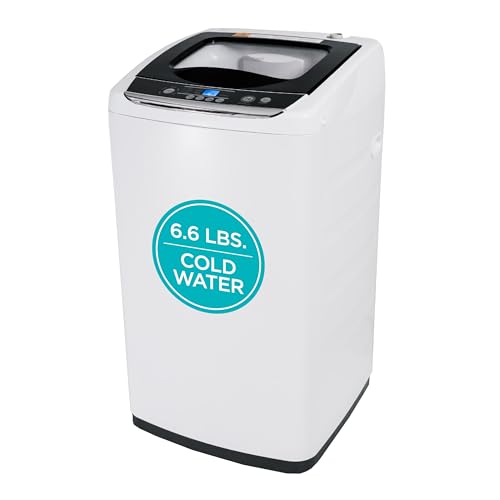
This product is ideal for a single-person household or a couple who frequently do small loads, with a washing capacity of approximately 6.6 pounds. It is suitable when a full-sized, permanent washer cannot fit. For optimal use, it is best for someone with a stable, level floor, a compatible cold-water faucet connection, and a nearby sink or drain to connect the hose securely. Additionally, a confirmed electrical supply that matches the unit’s specifications is necessary. The available hot-wash programs and separate spin cycle are convenient for everyday clothing, towels, and washable linens.
This appliance is not ideal for households that require large loads for families, quick drying cycles, or a verified sanitizing laundry process for contamination-sensitive needs. It should not be used as a traditional dryer, as its spinning cycle only removes water and does not dry clothes completely. Avoid makeshift installations in areas lacking a secure drain hose connection, compatible faucet fitting, level support, or a properly grounded electrical outlet. Due to conflicting public voltage information, it is inappropriate to install this unit until the rating plate and U.S. instructions are verified.
The primary health and fire safety advantages are based on procedural measures rather than independently verified performance metrics. The compact dryer manual specifies the need for a grounded outlet, a stable and level surface, adequate clearance from walls, use of metal exhaust ducts, and cleaning the lint screen before or after each load. These guidelines correspond with CPSC recommendations for dryer fire prevention, which highlight that lint buildup and restricted airflow are significant fire hazards. Additionally, the manual explicitly advises against drying materials that are oil-soiled, solvent-exposed, or made of foam, rubber, or other unsuitable substances. The manufacturer indicates that the drum is made of stainless steel, while the exterior consists of ABS plastic. The product includes a one-year warranty and claims ETL and DOE certifications. However, there is no publicly available certification record for this specific model or documentation verifying its energy efficiency. Furthermore, no detailed testing reports for drying performance or energy consumption were found to support the claimed energy savings. A product-specific CPSC recall was not identified during the search, but routine checks are recommended throughout the product’s lifespan to ensure safety and compliance.
This product is ideal for one or two people who already have a laundry routine and need to dry small, well-spun loads of fabric in a compact, well-ventilated area. It is most effective when used in a space with a dedicated grounded 120V outlet, a stable non-carpeted surface or a proper wall-mounting setup, and a clear path to vent outdoors using appropriate metal ducting. With a maximum dry-textile capacity of 5.5 pounds, it is best suited for frequent small loads such as shirts, underwear, baby clothes, towels, and lightweight bedding.
This product is not suitable for anyone looking for a portable washer and dryer combo, as it lacks washing, rinsing, filling, draining, and spinning functions. It is also not appropriate for use in bedrooms, closets, garages, RVs, or rental units that cannot safely vent outdoors and maintain the recommended clearance space. Households that regularly dry large loads such as heavy towels, jeans, bulky blankets, fabrics contaminated with oil, foam, rubber, or solvent-exposed items will need a different solution. Do not use extension cords, ungrounded outlets, or makeshift plastic venting with this appliance.
The most significant health and safety achievement is the independent electrical certification. A public UL Product iQ record confirms that this washer is covered by a UL file held by its manufacturer. The user manual specifies the need for a grounded three-prong 120 V outlet, advises against using extension cords, and provides detailed safety precautions related to water hoses, moving parts, children, flammable substances, and bleach mixing. No U.S. CPSC recall information matching this product was found during the searches conducted. Regarding resource usage, the EnergyGuide label indicates an annual energy consumption of 65 kWh. DOE certification data for this product shows a capacity of 3.0 cubic feet, an integrated water factor of 6.5 gallons per cycle per cubic foot, and approximately 36 percent residual moisture after drying. These are standard resource efficiency metrics and do not directly reflect cleaning performance. The washer does not have a heated drying feature, meaning it saves energy by not drying clothes internally but requires users to line dry or use an external dryer. Its stainless-steel tub and one-year warranty suggest potential durability, though availability of spare parts is relatively limited and easy to verify.
This product is ideal for renters or small households that require a washer-only setup, have permission for a temporary sink connection, and can provide a stable, level surface near a properly grounded 120 V outlet. It is best suited for regular laundry loads that do not exceed three-quarters of the tub’s capacity, with the drain hose securely positioned in a basin or used within the specified standpipe height range. Additionally, it’s suitable for individuals who plan to line-dry their laundry or already have a dedicated, properly installed dryer.
This appliance is not suitable for anyone who requires a combined washer-dryer, as it relies on spinning for water extraction rather than heated drying. It is also inappropriate for use in RVs, aircraft, or other mobile environments, as explicitly stated in the manual. Avoid using it in locations with a soft floor, carpeting, a weak platform, an ungrounded outlet, the need for extension cords, or no secure drainage options. Households that cannot monitor hose connections or properly rebalance loads should consider installing a permanent, fixed setup instead.
The product features a stainless-steel wash drum claimed by the manufacturer, enclosed within a plastic outer casing. Its alleged safety features include a child lock, a transparent lid, non-slip feet, and an imbalance adjustment. However, these are manufacturer claims rather than independently verified certifications. There are no publicly available records of certified safety approval from a Nationally Recognized Testing Laboratory (NRTL), standardized laundering tests, or energy and water consumption measurements for this product. The product listing does not specify any measured water or energy savings or hold any eco-certification, avoiding broad environmental claims but leaving the actual resource consumption uncertain. It includes a removable filter that may facilitate routine maintenance; however, no public catalog of replacement parts was found. Additionally, no CPSC recalls specific to this washer are on record. It is worth noting that the CPSC announced a recall scheduled for May 28, 2026, affecting unrelated Giantex and Costway portable steam saunas due to burn hazards.
This product is ideal for individuals or couples who need to wash small, regular loads that cannot be accommodated by a full-sized washer. It is suitable for spaces like apartment laundry nooks, dorm rooms, RVs, or small homes. The best users will have a stable and level location near a compatible sink faucet and a secure drain outlet, allowing them to stay nearby during operation. They should also be able to hang the laundry to dry or complete the drying process after spinning. With a stated load capacity of 9.93 pounds, it is designed for manageable, everyday loads rather than large-family bedding loads.
This product is not intended for households that require a genuine heated dryer, frequently handle large loads, or need independently verified wash and resource-performance data. It is also not suitable where portable washers are prohibited by lease agreements, where the faucet cannot accommodate the supplied connection, or where drainage cannot be monitored and secured. Individuals who cannot provide a grounded electrical outlet, a level floor, nearby water and drainage access, or active supervision should avoid using a portable washer in such environments. Buyers who need readily available repair parts and a written multi-year warranty should seek more detailed documentation.
The product page indicates it has a stainless steel washer drum, a tub-clean cycle, a child lock, and a heated dryer rated at 850W with a maximum temperature of 149°F. While these features support regular laundry use, they are claims made by the manufacturer. Publicly available UL and Intertek resources were checked but did not show a verified listing for this specific product, and no independent testing reports for cleaning, drying, or safety of the exact model could be found. There are no known recalls or safety warnings from the CPSC for this particular product, but this does not constitute safety certification. Heated clothes dryers require proper lint control and precautions against overheating, yet no detailed instructions regarding lint filters, thermal protection, exhaust setup, or clearance for this specific model were available. The product also lacks documented, verified claims about water or energy savings. Its limited and unclear support documentation, combined with the absence of a public parts catalog, raise concerns about repairability and the risk of premature replacement.
This product is ideal for a one- or two-person household seeking a compact laundry solution. The specified capacities should be considered maximum limits rather than typical load sizes. It is best suited for someone with a stable, level space near a compatible cold-water supply, a secure drain, and grounded electrical outlets for two separate appliances. Buyers should be ready to oversee initial cycles, verify rental or RV regulations, handle hoses carefully, and clean the lint filter if one is included.
This product is not ideal for households that require independently certified electrical compliance, verified efficiency ratings, or tested cleaning and rinsing performance before installing a heated appliance in a small living area. It is also unsuitable for large households, unattended laundry operations, or locations lacking a secure drainage system and properly grounded outlets. Individuals handling infection-control laundry should not assume that the dryer’s stated temperature guarantees sanitation. Additionally, those needing well-documented parts, extended warranty coverage, or local service support should seek more comprehensive product documentation.