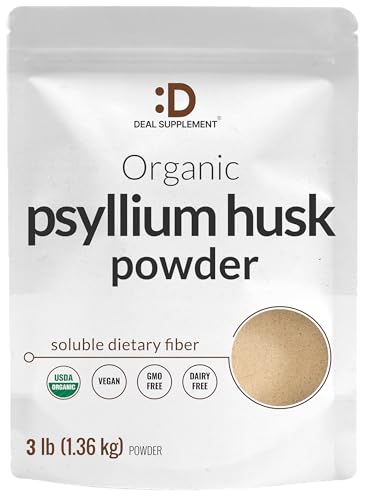
Deal Supplement Organic Psyllium Husk Powder
Unflavored powder blends easily into recipes.
Supports gut health with natural fiber.
Keto friendly and gluten free option.
We compared the top Psyllium Husks products so you can quickly spot the strongest options for value, features, and everyday performance.
Unflavored powder blends easily into recipes.
Supports gut health with natural fiber.
Keto friendly and gluten free option.
Easily blends into smoothies or recipes.
Supports digestive health naturally and effectively.
Certified gluten-free and non-GMO ingredients.
Supports digestion with 7g daily prebiotic fiber.
Sugar-free formula ideal for health-conscious adults.
Includes multivitamins for overall wellness boost.
GMO-free ensures natural product quality.
Gluten-free, suitable for restricted diets.
Large package, great for long-term use.
High dosage per serving for effective results.
Convenient supply with two large bottles.
Supports digestive health naturally and gently.
High fiber content for effective digestive support.
Convenient dosage with 1450mg per serving.
Large supply with 240 servings per bottle.
High fiber content supports healthy digestion.
Versatile for keto baking and shakes.
Free from additives and non-GMO.
High-quality, organic psyllium from India.
Supports digestive health with natural prebiotics.
Non-GMO and keto-friendly for diverse diets.
USDA Organic Certified for guaranteed quality.
99% pure psyllium seed husks for effectiveness.
Suitable for keto, paleo, and vegan diets.
Finely ground texture for easy mixing.
Certified vegan, keto, and paleo-friendly.
Great fiber source for gluten-free baking.
Psyllium is a soluble, gel-forming fiber that helps boost dietary fiber intake and supports regular bowel movements. Evidence from human studies also suggests that consistent, sufficiently high doses can modestly improve LDL cholesterol levels. When selecting a psyllium product, focus less on the size of the package or capsule count and more on factors such as the product's form, labeled fiber content, soluble fiber details, usage instructions, and safety information.
Product Forms and Fiber Content
- Powders generally make it easier to consume precise gram amounts of psyllium.
- Capsules are portable but may require multiple pills to achieve the desired fiber intake.
- Gummies and flavored mixes might list a total fiber amount but often contain less psyllium than indicated.
- A “9 g serving” could mean 9 g of psyllium, 9 g of total fiber, or the total weight of a multi-ingredient blend; these are not interchangeable.
- Some products may label “soluble fiber” without specifying how much originates from psyllium.
- For comparison, 7 g of daily soluble fiber from psyllium aligns with FDA health claims related to coronary heart disease; many products provide less, and some do not disclose soluble fiber content at all.
Labeling and Usage Instructions
- Look for clear identification of the psyllium form, serving size, and amounts of total and soluble fiber where claimed.
- Check for the responsible manufacturer, lot number, and expiration date.
- Directions should recommend ample liquid—typically at least 8 ounces per serving—and advise consuming the mixture promptly, especially for those with swallowing difficulties.
- Some labels specify using at least 12 ounces of liquid per serving.
- Guidance on medication timing and high-risk groups should be practical, not just a suggestion to consult a healthcare professional.
Certifications and Testing
- “Third-party tested” claims can be misleading; the most reliable evidence is a current, lot-specific certificate of analysis from an independent laboratory. This should detail the testing laboratory, accreditation, methods, detection limits, testing date, and results for contaminants like heavy metals and microbiological safety.
- GMP certification (e.g., NSF/ANSI 455-2) indicates manufacturing quality but does not verify the product’s contents.
- ConsumerLab’s Quality Certification is an example of independent product verification.
- USDA Organic certification supports agricultural claims but does not guarantee low levels of contaminants such as lead or pathogens.
Caution Against Unverified Claims
- Be skeptical of claims related to “detox,” “gut healing,” weight loss, GLP-1 effects, probiotics, or broad metabolic health unless supported by credible evidence.
- Psyllium is fiber, not a probiotic, and doses effective for regularity may not be sufficient for cholesterol benefits.
- Products with added ingredients like senna, cascara, rhubarb, aloe, minerals, botanicals, vitamins, sweeteners, or enzymes raise additional safety and labeling concerns. Opting for simple, single-ingredient psyllium products facilitates safer and clearer evaluation.
Safety Warnings
- Psyllium can swell and cause choking or bowel obstruction if taken dry, with insufficient liquid, or by individuals with swallowing difficulties, esophageal narrowing, or bowel obstructions.
- Seek medical attention for severe constipation with pain, vomiting, rectal bleeding, unexplained abdominal symptoms, or persistent bowel changes.
- Fiber can interfere with the absorption of oral medications; many products advise separating doses by one to two hours.
- Pregnant or breastfeeding women, children, individuals with gastrointestinal conditions, those on restricted fluid intake, or on medications for diabetes or cholesterol should obtain personalized medical advice.
- Many products include Proposition 65 lead warning labels; current lot-specific contamination data may be unavailable. Organic certification or general safety claims do not eliminate this concern.

The following topics describe what the provided assessments evaluate in relation to psyllium products. The most effective products feature a dosage that reasonably supports their intended use, include clear hydration warnings, have a straightforward formula, and are backed by evidence relevant to the final product itself—not just the manufacturing facility or individual ingredients.
This assessment evaluates whether the claimed serving size provides an amount of psyllium and fiber that plausibly supports claims related to regularity, cholesterol, or glycemic control. High-scoring products clearly specify fiber content in grams and, in some cases, meet research-backed amounts. In contrast, lower-scoring products offer only 1 gram of fiber, 1.8 grams of psyllium, or an unspecified amount of soluble fiber, despite making broader health claims.
This relates to lead, cadmium, arsenic, mercury, pathogens, and external contamination—particularly important because many supplied products include California lead warnings. A high score would be justified by recent finished-product test results from a properly accredited laboratory. However, most scores were moderate because generic "lab tested" claims did not include up-to-date lot-specific reports.
Psyllium thickens quickly, so instructions should specify the amount of liquid to use, advise drinking the mixture promptly, and indicate who should avoid it. The most potent products recommend at least 8 or 12 ounces of liquid and caution individuals with swallowing difficulties. Less effective products mention the liquid amount but often do not include warnings about choking, blockage, or swallowing risks.
This assesses warnings related to oral medications, pregnancy, breastfeeding, swallowing difficulties, gastrointestinal conditions, and urgent symptoms. Labels with higher scores offer guidance on medication timing and specify clear contraindications; those with lower scores simply advise consulting a healthcare professional. This is important because fiber can impact medication absorption, and insufficient hydration when taking psyllium may lead to blockages.
A straightforward powder or capsule containing only psyllium is easier to dose and evaluate than blends that include senna, cascara, rhubarb, aloe, minerals, botanicals, enzymes, or vitamins. Products with single-ingredient formulations received higher scores. In contrast, more complex digestive formulas scored much lower because the addition of laxatives and undisclosed or lightly dosed extras can raise safety concerns and complicate interpretation.
This evaluates whether claims of being organic, non-GMO, locally sourced, or produced through responsible farming practices can be independently verified. USDA Organic certification and specified crop origins offer more credibility than generic terms like “natural” or “clean,” but organic certification alone does not guarantee low contamination levels or extensive environmental benefits. Products that scored higher often had organic certification or more transparent sourcing information, whereas lower-scoring items depended on unverified brand claims.
This evaluation takes into account factors such as material usage, bulk efficiency, recycled content, refill options, and practical disposal instructions. While larger pouches or canisters may reduce packaging per serving, the available reviews revealed no verified claims regarding recycled content, refillability, materials, or disposal methods. As a result, the scores remained fairly similar, indicating limited documentation rather than a confirmed environmental benefit.
This questions whether the final product itself—not just the manufacturer or production facility—is verified by an independent certifier for label accuracy, contaminants, and quality controls. If ConsumerLab’s certification is available for a specific whole-husk product, it contributes to a significantly higher score. While facility GMP listings confirm manufacturing standards, they do not certify individual bottles, pouches, or lots.
Achieving a high score necessitates a verifiable current batch report that includes details such as the batch number, expiration date, laboratory identification and accreditation, testing methods, established limits, testing dates, and numerical results. While many brands claim third-party testing across their products, they often do not provide the supporting documentation, resulting in scores that tend to be average. It is important to note that a facility audit or a general testing statement does not serve as proof for individual batches.
This assessment evaluates whether consumers can recognize key product details such as the form of psyllium, serving size, total and soluble fiber content, active ingredients, responsible manufacturer, lot number, and expiration date. Products that score highly on labeling clearly specify the amount of fiber and indicate the botanical source. Conversely, lower-scoring products often use extracts, omit soluble fiber information, or present unclear serving sizes and ingredient details, making it difficult for consumers to accurately determine the appropriate dose.
High scores are awarded to specific, validated claims related to the disclosed dose, such as benefits for fiber and regularity support. Lower scores are given to claims related to detoxification, colon cleansing, GLP-1, weight loss, probiotics, immunity, or general gut healing that lack sufficient evidence based on the provided dose or formula. The claimed benefits of psyllium should not be exaggerated to make disease-treatment claims.
This assessment determines if the brand, manufacturer, product, and responsible seller can be identified, and whether any ongoing issues such as recalls, warning letters, import actions, or significant labeling problems exist. A high score indicates a clearly identified accountable entity and the absence of any significant product-specific concerns. While past actions related to other products or unresolved allegations may provide context, they do not automatically imply a recall of this particular product.
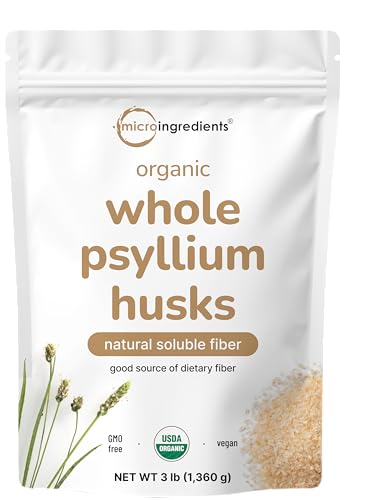
Psyllium is a viscous fiber supported by human evidence for promoting regularity and providing modest reductions in LDL cholesterol when consumed at approximately the labeled dose. According to FDA regulations, consuming 7 grams of daily soluble fiber from qualifying psyllium husk is associated with a decreased risk of coronary heart disease, particularly when following a low saturated-fat and low-cholesterol diet. However, this product's label indicates 9 grams of psyllium, which is not a verified measure of soluble fiber content, so the regulatory claim cannot be officially confirmed for this package. The manufacturer describes the powder as certified organic, non-GMO, and third-party tested. However, no publicly available records of organic certification for this specific product, finished-product certification, or recent batch certification were found. The 3-pound flexible pouch may use less packaging per serving compared to smaller containers, but it provides no guidance on recycling, reuse, or disposal. A 2025 complaint filed in California involving Deal Supplement entities addressed other products and alleged exposure to lead or PFOA; it did not concern this particular psyllium product.
This product is designed for adults seeking a plain, bulk psyllium powder for daily use, particularly those who plan to thoroughly mix it into drinks or use it as a thickener in gluten-free or low-carb baking. The recommended serving size of 9 grams aligns closely with amounts examined in psyllium research, making it suitable for individuals aiming to boost fiber intake for regularity or as part of a cholesterol management plan under healthcare supervision. It is also ideal for households that can use the 151-serving pouch before its expiration date.
This product is not suitable for individuals who have difficulty swallowing, a history of esophageal narrowing or bowel blockage, or who experience new chest pain, vomiting, or breathing difficulties after use. Dry or insufficiently hydrated psyllium can expand and cause choking or blockages in the throat or esophagus. People taking oral medications, managing diabetes, pregnant or breastfeeding women, or those experiencing ongoing constipation, abdominal pain, rectal bleeding, or sudden changes in bowel habits should seek personalized advice before use. Additionally, it is not ideal for consumers who need publicly available batch results or independently certified testing for contaminants.
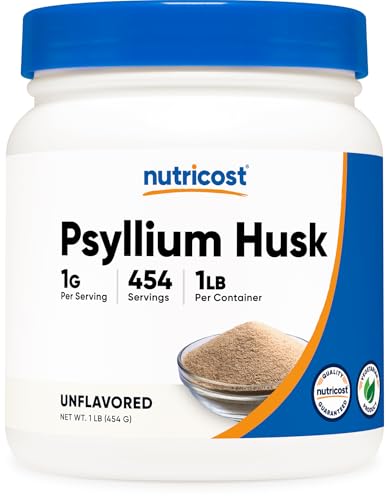
The primary health concern is the California lead exposure warning displayed on the manufacturer's product page and current retailer listings. Although this warning does not specify the level of exposure or the amount contained in a particular container, it serves as a significant prompt to request an up-to-date heavy-metal test report for the finished product. The manufacturer states that the product undergoes independent testing. Additionally, their powder manufacturing facilities are independently listed by NSF for dietary supplement Good Manufacturing Practices (GMP) standards, though this listing does not constitute certification of this specific product or its current batch. The formula itself is simple, consisting solely of psyllium husk powder as the ingredient. A standard 1-gram serving provides dietary fiber, but the label does not specify the amount of soluble fiber. No verified organic certification, information on crop origin, responsible sourcing standards, recycled material claims, or disposal instructions are available. The packaging is a rigid plastic bottle, but its environmental impact cannot be evaluated further without material specifications or local recycling information.
This product is ideal for adults seeking a small, plain serving of psyllium to gradually add measured fiber to drinks, smoothies, or recipes. It is especially suitable for those who want to avoid flavored fiber blends, sugars, sweeteners, and multi-ingredient digestive formulas. The 1-pound container contains 454 individual 1-gram servings, making it perfect for those who prefer flexible, low-dose additions rather than a large pre-measured fiber amount. Users should mix it well into enough liquid and consume it quickly before it thickens.
This product is not ideally suited for individuals looking for a label-supported intervention for cholesterol or blood sugar control, as a 1-gram serving contains significantly less psyllium fiber than the amounts typically linked to those health benefits. People who have trouble swallowing, known bowel narrowing or blockages, severe abdominal symptoms, or unexplained changes in bowel habits should consult a healthcare professional rather than attempting to manage these issues on their own with a fiber supplement. Additionally, pregnant or nursing women, individuals with medical conditions, or those taking oral medications should consult a clinician or pharmacist to determine the appropriate timing and usage of this product.
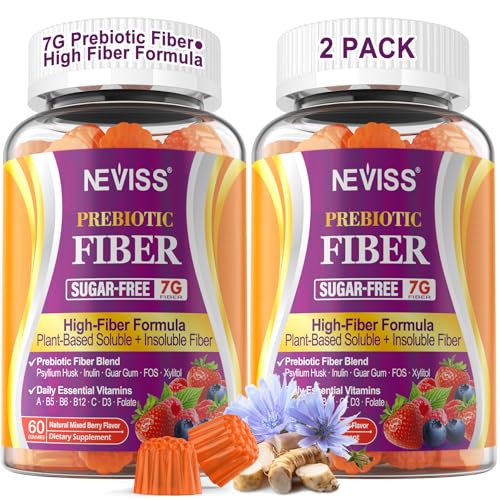
The formula is claimed to be vegan, free of gelatin, gluten, non-GMO, and sugar-free, utilizing pectin instead of animal-derived gelatin. It also contains sweeteners such as xylitol, stevia, and monk fruit. The vitamin dosages appear moderate based on publicly available nutrition information; however, the presence of multiple added nutrients is not necessary to provide a fiber benefit. There is no publicly accessible lot certificate to confirm testing for lead, cadmium, arsenic, mercury, microbial contamination, or to verify the actual fiber content. Additionally, the product has not received certification from organizations like NSF, USP, ConsumerLab, or Informed Choice. Searches did not reveal any FDA recall notices, warning letters, or public Proposition 65 exposure alerts specific to this product, but this does not equate to independent quality verification. No organic certification, information on crop origin, recycled-content disclosures, refill options, or specific disposal instructions were found, so claims regarding responsible sourcing and packaging remain unverified.
This product is ideal for adults looking for a convenient, chewable way to incorporate 7 grams of fiber into their daily routine, particularly for those who find powder forms inconvenient. It is best suited for individuals seeking overall dietary fiber support or occasional relief from irregularity, rather than a precise therapeutic dose of psyllium for managing cholesterol, blood sugar, or chronic constipation. The two-bottle package offers 40 servings based on the recommended three-gummy daily intake. Customers should be comfortable accepting the fiber content and quality claims as label-reported, as no publicly available batch documentation was found.
This product is not suitable for individuals with swallowing difficulties, a history of bowel narrowing or obstruction, severe abdominal pain, persistent constipation, or unexplained changes in bowel habits. In these cases, medical guidance from a healthcare professional is necessary rather than self-treating with fiber supplements. Additionally, those taking oral prescription medications should consult with a pharmacist or prescriber to determine the appropriate timing, as psyllium may interfere with medication absorption. Specific instructions regarding timing for this product are not provided. Keep the gummies out of reach of dogs, as the formula is reported to contain xylitol, which is highly toxic to them.
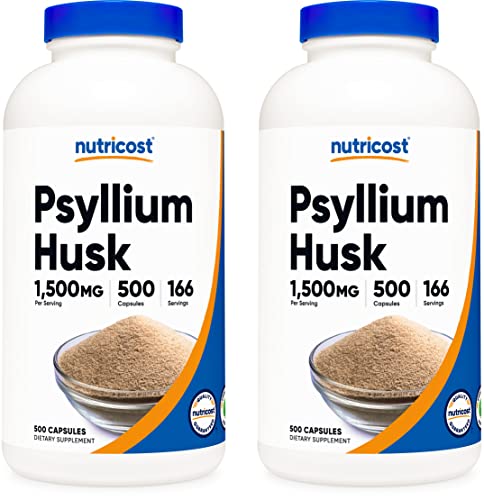
The ingredients are straightforward, with psyllium husk being the sole component listed. Nutricost claims that the powder is non-GMO, gluten-free, soy-free, and has undergone third-party testing. The manufacturing facility, rather than the final product, is independently certified under NSF/ANSI 455-2 GMP standards. However, there are no publicly available certifications or current lot reports for the finished product. The primary health concern revolves around contaminant transparency. Nutricost’s product webpage includes a California warning indicating that consuming the product could lead to lead exposure. An earlier California 60-day notice also mentioned Nutricost psyllium husk and lead, but it did not involve any formal complaint or settlement. Neither source provides current batch-specific lead levels, meaning the warning does not specify lead content in particular containers. Additionally, there are no certifications related to organic sourcing, responsible farming practices, recycled materials, refilling, or disposal for this product.
This product is suitable for adults seeking an unflavored, single-ingredient fiber powder to be gradually added to drinks or recipes. It is best used by those who can reliably mix it with liquid immediately before use. Its small suggested serving is convenient for individuals beginning a fiber regimen gradually, as sudden increases can lead to gas, bloating, or changes in bowel habits. It is most appropriate for overall dietary fiber support rather than for those expecting a small daily serving to replicate the cholesterol-lowering doses used in clinical studies.
It is not suitable for individuals with difficulty swallowing, a history of bowel narrowing or obstruction, unexplained abdominal pain, nausea, vomiting, or sudden changes in bowel habits unless advised by a healthcare professional. People who cannot reliably take it with sufficient liquid should consider an alternative method. Those taking prescription medications should consult a pharmacist or healthcare provider about the timing, as fiber may interfere with the absorption of certain oral medications. Pregnant or nursing women, children, and those seeking a product with verified low lead levels should use professional medical guidance or choose a product with readily available recent batch testing information.
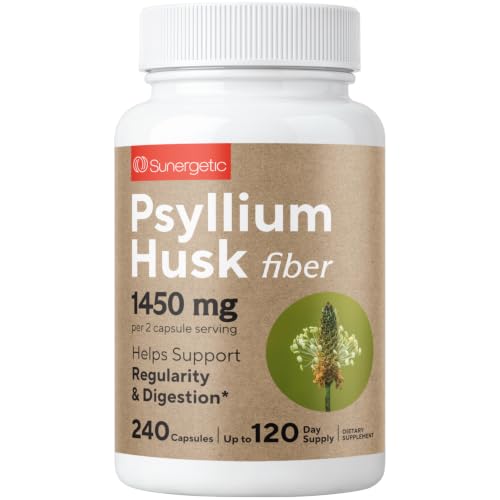
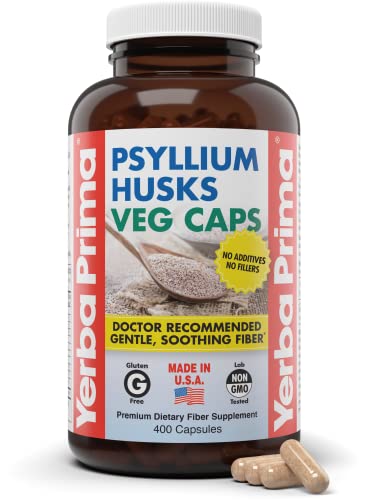
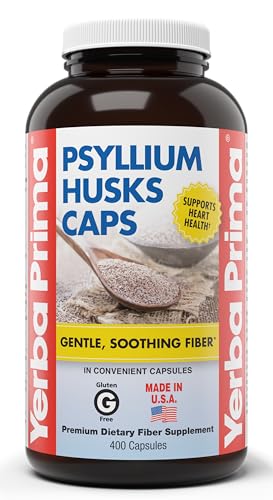
The formulation is fairly straightforward. Psyllium husk is the only active ingredient, while the capsule contains hypromellose, rice flour, and silica. The label indicates 1 gram of dietary fiber per serving, but it does not specify the amount of soluble fiber or disclose the assay method used. Although evidence supports psyllium as a source of dietary fiber, this serving size is significantly lower than the doses typically used in clinical trials for lipid management and chronic constipation. The manufacturer states that the product undergoes third-party testing and is produced in a GMP-compliant facility. However, a current certificate of analysis specific to the product and an independent certification for the finished product were not found. The product page and retailer label include a warning about lead contamination in California. Additionally, California issued a 60-day notice related to lead concerns for Nutricost Psyllium Husk in 2018. No information was found regarding responsible sourcing certification, recycled content, packaging material specifications, or disposal instructions.
This product is suitable for a healthy adult seeking a convenient, pre-measured daily fiber supplement in capsule form, typically taking three capsules with a substantial amount of water. It is ideal for individuals aiming to gradually increase their overall fiber intake rather than relying on a therapeutic dose of psyllium. The high capsule count makes it a good option for regular users who prefer to avoid measuring or consuming fiber powders. Customers should note that the manufacturer’s claims regarding non-GMO, gluten-free, GMP certification, and third-party testing are assertions that have not been independently verified for this finished product.
This product is not suitable for individuals who have difficulty swallowing, a history of esophageal narrowing or obstruction, chest pain or vomiting after using fiber, or concerns about a bowel blockage. Dry psyllium supplements can swell and pose a risk of obstruction if not taken with sufficient liquid. Additionally, it may not be appropriate for those seeking clinical-grade support for lowering LDL cholesterol, controlling blood glucose, or managing chronic constipation at the recommended dose. Pregnant or breastfeeding women, children, and individuals on other medications or with gastrointestinal conditions should consult a healthcare professional before use, especially since the label does not provide specific instructions regarding medication timing.
The product contains psyllium powder, a viscous fiber supported by human evidence for promoting regularity and lowering cholesterol at higher daily doses. The label includes important safety instructions, such as a recommendation to consume it with a full glass of liquid, a choking warning, and advice to avoid use by individuals with swallowing difficulties. Since the formula contains gelatin, it is neither vegetarian nor vegan. However, there is no available certification or laboratory analysis for the finished product or specific batch to confirm levels of heavy metals, microbes, or fiber content. Although psyllium is an agricultural ingredient, there is no verified organic certification, origin documentation, or responsible-sourcing certification confirmed for this product. Additionally, there is no information on recycled content, refill options, packaging material specifications, or disposal instructions. Recent testing by ConsumerLab revealed significant variability in lead content among different psyllium products, highlighting the importance of product-specific testing. The FDA’s warning letter in 2018 to the associated company addressed disease claims related to other products, not this particular fiber supplement.
This product is ideal for adults looking for a simple, capsule-based psyllium routine to promote regularity, especially those who dislike powder textures or mixing. The bottle contains 120 servings of two capsules each, and the recommended usage is two to three servings per day. The actual duration will vary based on how often you take it. It is most convenient for individuals comfortable taking multiple capsules with a full 8-ounce glass of water each time, and it is not intended for those needing the higher fiber levels typically associated with cholesterol-lowering studies.
It is not appropriate for individuals experiencing difficulty swallowing, previous esophageal obstruction, or symptoms such as chest pain, vomiting, or trouble swallowing or breathing after use. The label also advises against use in cases of abdominal pain, diarrhea, or loose stools, and recommends seeking medical attention for rectal bleeding, cramping, or inability to have a bowel movement. Pregnant or nursing individuals, those under 18, and people taking medications or managing gastrointestinal conditions should consult a healthcare professional or pharmacist for personalized guidance.
Psyllium is a viscous soluble fiber supported by human trials to modestly lower LDL cholesterol when taken at doses close to the manufacturer-recommended 9 grams. The product is a simple powder that contains no added flavors, colors, or fillers as specified by the manufacturer. However, the seller does not publicly provide a current batch certificate detailing heavy metal levels, microbial contamination, or foreign materials. Consequently, its third-party testing statement cannot independently verify the purity of the finished product. Additionally, there is an unresolved California Proposition 65 notice and civil complaint filed on September 18, 2025, and December 1, 2025, claiming lead exposure from this specific powder. These are allegations and have not been finalized through legal judgment. NatureBell describes the psyllium as organic and sources it from India, but no certifying organization, certification scope, or traceable crop-origin documentation was found. While the bulk bag may reduce packaging per serving, there is no information on recycled content, material specifications, or disposal instructions provided.
This product is suitable for adults seeking plain psyllium powder for regular fiber consumption, to be mixed into beverages, smoothies, or foods instead of flavored blends. The stated 9-gram serving size aligns well with doses studied for lipid health benefits. The 3-pound package may be convenient for those who regularly use fiber and have space to store a larger quantity. It is best suited for individuals comfortable following cautious guidelines when handling powder and liquids, and who do not require independently certified testing for contaminants on a daily basis.
This is not an appropriate default option for individuals with swallowing difficulties, a history of esophageal narrowing, symptoms of bowel obstruction, severe gastrointestinal conditions, or those unable to consistently take the powder with sufficient fluid. People using oral prescription medications should not rely solely on the provided interaction timing information, as it lacks clear guidance on spacing doses. Pregnant individuals, those managing diabetes or cholesterol with medication, and households looking for a product with publicly verified heavy-metal test results should consult a healthcare professional or choose a product with up-to-date, traceable batch documentation. The unresolved lead concern is particularly important for frequent users.
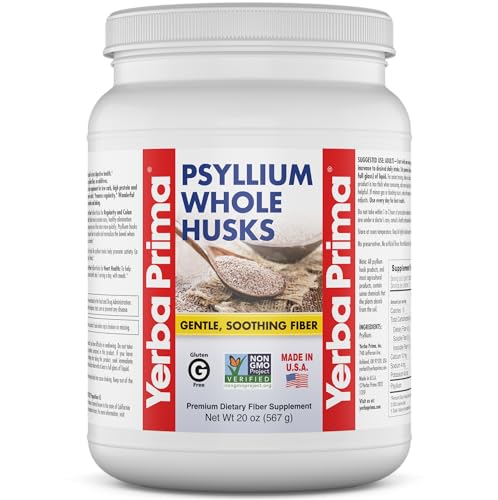
Human evidence confirms that psyllium is a soluble fiber. The product label indicates it provides 6 grams of soluble fiber per 10-gram serving. This amount is close to the 7 grams of daily soluble fiber used in the FDA health claim for coronary heart disease. Randomized trial reviews show that psyllium can modestly lower LDL cholesterol, especially at around 10 grams per day. The hydration warning is specific and helpful, advising users to consume at least 12 ounces of liquid and to exclude individuals who have difficulty swallowing. However, the quality of evidence is incomplete. Although the manufacturer claims to conduct third-party testing, no current batch verification reports are available for review. Additionally, the retailer’s label now displays a California lead-exposure warning. While this warning does not specify levels of exposure or individual risk, it highlights the importance of considering published contaminant test results. The label also features claims of USDA Organic and Organic Certification. The large pouch packaging can reduce waste per serving, but there is no information provided about recycled content or disposal instructions.
This product is ideal for adults seeking a generous, unflavored source of psyllium to regularly add fiber to their meals or drinks. It favors whole husks over flavored powders or capsules. Each 10 gram serving delivers 7 grams of dietary fiber, making it a convenient choice for those intentionally boosting their fiber intake or following diets focused on soluble fiber for cholesterol management. Additionally, it is suitable for recipe use, as the plain, single-ingredient husks can effectively thicken oatmeal, yogurt, smoothies, and gluten-free baked goods.
This product is not suitable for individuals who have trouble swallowing, esophageal narrowing, or a history of bowel obstruction, as psyllium swells when it contacts moisture and may cause a blockage if not used properly. Those taking prescription medications, particularly drugs that require precise timing for absorption, should consult a pharmacist or healthcare provider, as the instructions do not specify dosing intervals. Pregnant or breastfeeding women, as well as individuals experiencing unexplained abdominal pain, nausea, vomiting, rectal bleeding, or a sudden, persistent change in bowel habits, should seek medical advice before using fiber supplements.
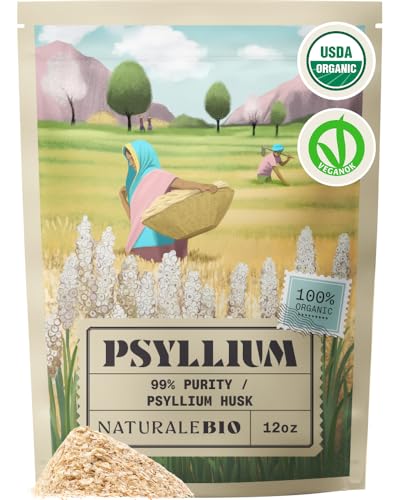
The strongest health claims for the product relate to its simple design and clear hydration instructions. Psyllium creates a viscous gel when mixed with water, and human studies support its cholesterol-lowering effects across various doses, including near the recommended 10 grams. FDA regulations allow a health claim for coronary heart disease only if the food provides a specific amount of soluble fiber; however, this product does not disclose its soluble fiber content. The FDA's qualified health claim for diabetes is much less definitive, as the agency found limited scientific evidence to support it. NaturaleBio states that its husks are organic, originate from India, are 99% pure, steam-treated, and tested independently in Europe. The company's website lists it as an organic operator under the code IT-BIO-007. However, there is no publicly available record confirming USDA organic certification for the specific U.S. product. While organic sourcing is a valuable agricultural standard, it does not guarantee low levels of heavy metals. The brand does not provide recent batch reports, packaging details, or disposal information, which limits verification regarding contaminants and waste management.
This product is ideal for adults seeking an unsweetened, plain psyllium husk for promoting regularity, blending into smoothies, or gluten-free baking. The 24-ounce package is convenient for regular household use rather than occasional single doses. The manufacturer recommends starting with a gradual approach, beginning with approximately 5 grams and increasing to around 10 grams, making it suitable for those introducing fiber gradually. It also appeals to customers looking for a plant-based product free from stimulant laxatives, added minerals, flavors, or artificial sweeteners.
This product is not suitable for individuals who have difficulty swallowing, a known or suspected bowel obstruction, significant intestinal narrowing, or cannot maintain adequate fluid intake without medical supervision. People experiencing ongoing abdominal pain, nausea, vomiting, rectal bleeding, or a sudden and sustained change in bowel habits should seek medical attention instead of attempting self-treatment. Those taking oral medications that require precise timing should not rely solely on the recommended 1 to 2-hour spacing and should verify timing instructions with a pharmacist. Additionally, it is not appropriate for buyers who need publicly accessible batch-specific heavy metal and microbiological testing results.
The product’s health profile is straightforward, based on a simple formula consisting solely of organic psyllium husk and accompanied by clear hydration instructions. Psyllium is recognized by the FDA as a dietary fiber, with human studies supporting its benefits for relieving constipation and modestly lowering cholesterol when taken at appropriate daily doses. A 5-gram serving is a reasonable starting point; however, it does not alone verify the use of the 7-gram daily soluble fiber intake specified in the authorized coronary heart disease health claim. Currently, the product page also displays a Proposition 65 warning. Although a 2018 California notice linking this psyllium product was later withdrawn, the existing warning and the absence of current public lot-specific data remain important considerations. Viva Naturals states that the psyllium is cultivated in India, packaged in the United States, and certified organic by QAI. The label also claims the product is Non-GMO Project Verified, gluten-free, vegan, kosher, paleo, and keto-friendly. However, no publicly available confirmation from the certifying authorities was found for broader quality certifications of the finished product. The packaging does not specify recycled content, material details, or disposal instructions, so claims of environmentally friendly or low-waste packaging cannot be verified.
This product is ideal for adults looking for an unflavored, single-ingredient fiber powder to add to smoothies, oatmeal, or gluten-free baked goods. It easily blends with a full glass of liquid. A 5-gram teaspoon serves as a convenient starting point for individuals gradually increasing their fiber intake. Additionally, it appeals to those seeking a plant-based, organic psyllium product as specified by the manufacturer, without any sweeteners or added laxatives. The primary benefit is promoting regularity, which is the most practical use at this serving size, although many clinical studies have used about 10 grams or more daily.
It is not suitable for individuals who have difficulty swallowing, a history of food impaction, esophageal narrowing, or experience symptoms such as chest pain, vomiting, or breathing difficulties after use. Those with suspected bowel obstruction, severe abdominal pain, unexplained changes in bowel habits, or ongoing constipation should seek medical evaluation rather than attempting self-treatment with additional fiber. People taking oral medications should consult a pharmacist or healthcare provider regarding the appropriate timing, as the product does not provide instructions for spacing doses. Avoid this product if you are sensitive to psyllium, and consider potential shared-facility allergen exposures if you have serious food allergies.