ASquared Nutrition Saffron Supplements for Wellness
Supports energy and focus naturally.
Pure saffron extract, not mixed forms.
Convenient alternative to saffron threads or tea.
We compared the top Saffron Supplement products so you can quickly spot the strongest options for value, features, and everyday performance.
Supports energy and focus naturally.
Pure saffron extract, not mixed forms.
Convenient alternative to saffron threads or tea.
Contains 100% pure saffron extract.
Supports both eye and heart health.
May boost energy and improve mood.
Supports mood and focus naturally.
Lab-tested for quality assurance.
Non-GMO and vegan-friendly formula.
Supports mood and stress management effectively.
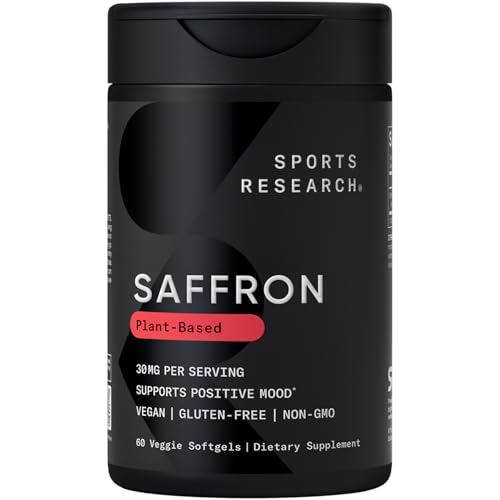
Made with high-quality Affron® saffron extract.
Vegan, non-GMO, and gluten-free formula.
Combines 10 powerful ingredients in one supplement.
Features high absorption fat-soluble Vitamin C.
Free from fillers and unnecessary additives.
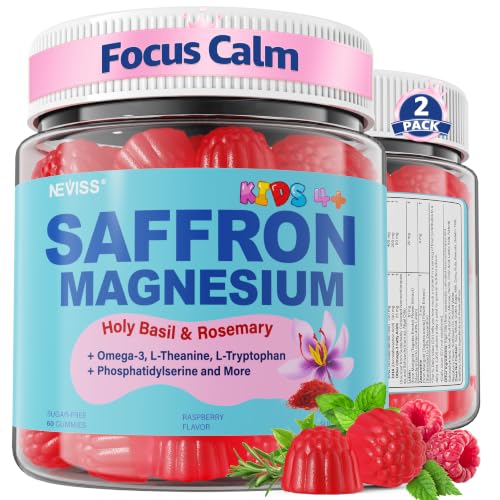
Combines saffron, magnesium, and omega-3 for focus.
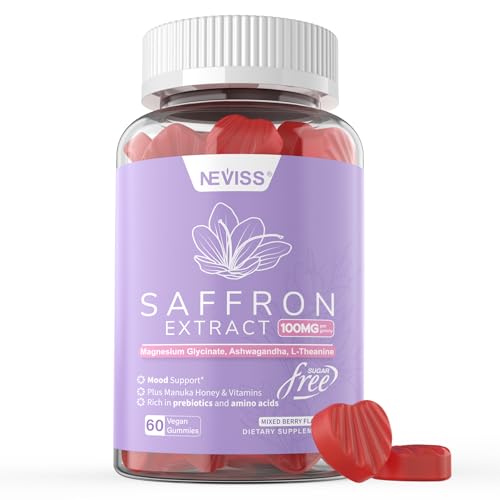
Sugar-free formula with natural mood boosters.
Suitable for kids 4+ with essential nutrients.
Comprehensive blend for enhanced mood support.
Includes essential vitamins for daily vitality.
Natural ingredients promote overall well-being.
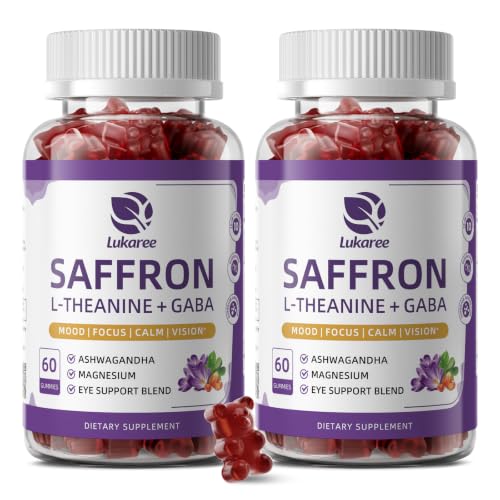
Combines saffron with calming L-Theanine and GABA.
Delicious gummy form for easy consumption.
Promotes relaxation without causing drowsiness.
Sugar-free formula for health-conscious consumers.
Includes magnesium for enhanced relaxation benefits.
Multi-vitamin blend supports overall well-being.
Pleasant strawberry flavor for easy consumption.
Vegan-friendly, suitable for diverse diets.
Contains saffron, known for mood support.
Saffron supplements typically contain extracts from *Crocus sativus*, available in forms such as capsules, softgels, gummies, or liquid drops. These products are mainly marketed for benefits related to mood, stress relief, focus, sleep support, energy, appetite control, or eye health. The effectiveness of a supplement depends less on the listed milligram amount than on the specific type of saffron extract, its marker compounds, daily dosage, duration of use, and how closely the product matches those used in scientific studies.
A crucial distinction is between a specified, standardized extract and an unspecified saffron product. Many human studies cited in reviews used branded extracts at doses around 28–30 mg daily over several weeks. Simply stating a higher extract amount, such as 88.5 mg or 177 mg, does not automatically mean the product is more potent or superior. Extract weight alone does not equate to the content of active marker compounds, and a higher dose may not resemble the formulations studied in research. Always check for the botanical name, plant part used, daily dose, and active compounds like crocin, picrocrocin, safranal, or standardized constituents. Using a branded extract at a known dose improves comparability but does not guarantee the actual content matches the label.
Product quality should be verified for the finished supplement. Certifications such as GMP (Good Manufacturing Practice), company testing policies, or ingredient testing alone do not replace independent verification of the actual product. Stronger assurance comes from current listings in third-party certification databases like USP Verified Dietary Supplements, NSF Certified Dietary Supplements or NSF Certified for Sport, Informed Sport, or Informed Choice. A certificate of analysis is most useful when it matches a specific lot, is conducted by an ISO/IEC 17025-accredited lab, confirms *Crocus sativus* identity, specifies the labeled strength, and reports levels of marker compounds and relevant limits.
Contaminant controls are also important. These should address heavy metals, pesticides, microbes, residual solvents (where applicable), and undeclared drug-like adulterants. Simply claiming “lab tested” is difficult to evaluate without details such as the laboratory name, lot number, methods, results, and permissible limits. The product label should disclose all active and inactive ingredients, including capsule or gummy components, sweeteners, allergens, standardized constituents, and their amounts. Proprietary blends may make it harder to determine total intake and exposure.
Consumers should critically assess whether product claims are supported by evidence. Limited human studies on specific saffron preparations do not establish proven benefits for depression, ADHD, eye disease, heart disease, menopause, weight loss, or other health conditions. Claims should be tentative and not imply diagnosis, treatment, cure, or prevention. Environmental and sourcing claims should specify origin, supplier, harvest or lot information, organic certification (if claimed), farming practices, and packaging or sustainability details—more meaningful than vague terms like “natural,” “organic,” “eco,” or “sustainably sourced.”
Important precautions include avoiding use during pregnancy and breastfeeding, keeping supplements out of reach of children, and consulting a healthcare professional—such as a clinician or pharmacist—when taking medications or managing health conditions. Special caution is advised with products containing antidepressants, psychiatric medications, sedatives, blood pressure or diabetes drugs, anticoagulants, or when preparing for surgery. Those with thyroid or autoimmune issues, or using complex multi-ingredient formulas, should exercise additional care. Some products, such as a children’s gummy supplement, may contain magnesium exceeding the recommended upper limit for certain age groups; appropriate dosing and total intake should be considered. These supplements should not replace medical evaluation or prescribed treatment for ongoing mood, anxiety, sleep, attention, or vision issues.

The scores presented here are based solely on the reviews provided. Higher scores signify more robust disclosed or verified evidence regarding the topic; however, they do not guarantee that the product is effective or safe for every individual.
This assessment involves testing finished batches for heavy metals, pesticides, microbes, relevant residual solvents, and undeclared drug-like compounds. This is important because saffron products are meant for repeated consumption. Among the products evaluated, scores ranged from 70 to 76: higher scores were associated with greater transparency about batch information, whereas most products did not provide publicly available lot-matched results, making verification challenging.
This assesses whether the specific saffron preparation, daily dosage, duration, and additional ingredients align with those used in human studies. In this category, the research summaries consistently referenced a daily dose of 28–30 mg of a standardized, named extract. Products with higher ratings typically featured a branded extract and a closely matched dose, whereas lower-rated products employed larger doses ranging from 88.5 to 177 mg of unspecified extracts or complex blends, often without product-specific clinical trials.
This assesses whether warnings cover factors such as pregnancy, breastfeeding, age, surgery, medical conditions, and medications impacted by saffron or other added ingredients. Higher scores indicate warnings that specify exclusions or recommend consulting a healthcare professional. Lower scores are associated with more generic warnings, particularly in multi-ingredient products that contain ashwagandha, 5-HTP, rhodiola, magnesium, black cohosh, or other active ingredients that may require further interaction considerations.
A high score indicates that buyers can view detailed information about each active ingredient, dosage, extract details, capsule or gummy components, sweeteners, and allergens, rather than relying on proprietary blends. This is important because the total exposure to ingredients can vary significantly among saffron products. The top-rated products specify the saffron preparation, marker compounds, and excipients used. In contrast, lower scores are associated with undisclosed amounts of co-ingredients or the use of proprietary blends.
This measure assesses whether the brand specifies the origin, supplier, harvest, or batch of saffron and provides a chain of custody to verify the authenticity of the botanical material. It is important because simply labeling it as “saffron extract” does not reveal the source of the crop or indicate traceability. Overall scores ranged from 68 to 78; higher scores indicated the inclusion of an identified or supplier-reported origin, whereas documentation related to farms and batches was typically lacking.
This seeks specific evidence related to the origin of practices such as irrigation, fertilizer and manure management, soil stewardship, agricultural inputs, or independent organic certification. This is important because simply using terms like "natural" or "organic" does not inherently indicate the environmental impact of farming methods. Most of the products evaluated scored between approximately 68 and 71; a higher score was awarded when a carbon-impact label was displayed. However, reviews still highlighted a lack of detailed documentation regarding farm-level practices.
This assessment determines whether the packaging is sufficiently protective without being overly wasteful, provides accurate recycling information, and documents the materials or recycled content used. It is important because different formats—such as capsules, gummies, liquids, and multi-bottle packages—each present distinct packaging challenges. All products evaluated received a uniform score of 70, indicating a lack of sufficient product-specific data on packaging material, recyclability, or waste reduction measures to differentiate them.
This pertains specifically to the exact supplement itself, not just its manufacturer, ingredient supplier, or manufacturing facility, as listed in a reputable independent certification directory. Relevant certification programs include USP Verified, NSF Certified Dietary Supplements, NSF Certified for Sport, Informed Sport, and Informed Choice. Each product evaluated received a score of 70 because the exact finished product was not identified within these programs, even if a manufacturing facility or other company’s product is certified.
This assessment determines whether an independent, lot-matched report confirms the identity of *Crocus sativus*, the labeled extract content, and key marker compounds such as crocin, picrocrocin, and safranal. Achieving a high score requires testing to be conducted in an ISO/IEC 17025-accredited laboratory using validated methods. Most products received a score of 70 due to the absence of a publicly available lot report; the most compelling evidence was a posted identity report. However, the verification of potency or marker compounds may still be partial or incomplete.
This assesses whether claims related to mood, stress, focus, sleep, vision, energy, menopause, appetite, or disease are specific and well-supported, rather than suggesting treatment or cures. Products with higher scores are those whose marketing remains closely aligned with limited evidence regarding mood or stress. Lower scores indicate broader claims related to eye health, heart health, weight management, ADHD, menopause, disease, or absorption that are not specifically supported for the particular formula.
This assessment takes into account compliant manufacturing evidence and available records of recalls, warning letters, complaints, or recurring safety signals associated with the product or the responsible company. While facility GMP certification indicates manufacturing controls, it does not guarantee the quality of the final product. Scores ranged from 60 to 91: higher scores indicated current facility certification or more comprehensive documentation, whereas the presence of a company warning letter or limited records lowered confidence in the assessment.
The listing describes a basic capsule formula and offers a general warning about medical conditions, but it lacks detailed guidance on how the formula interacts with surgery, mental health treatments, or specific medications. Human studies suggest that saffron preparations may influence mood-related symptoms in some adults; however, these trials typically utilized standardized preparations over several weeks. Since this product does not disclose standardization markers or include data from a product-specific trial, the evidence from these studies cannot be directly applied to this particular formula. The manufacturer states that testing is conducted in an ISO 17025-certified laboratory and that production takes place in a GMP-certified facility. However, no specific laboratory name or publicly available lot report has been provided to verify the quality of the finished product. Additionally, searches have not revealed any FDA recalls, warning letters, or independent certification of the finished product. The product also lacks verifiable information about the saffron’s origin, farming practices, organic status, packaging materials, or recycling instructions, leaving its sourcing and environmental impact unsubstantiated.
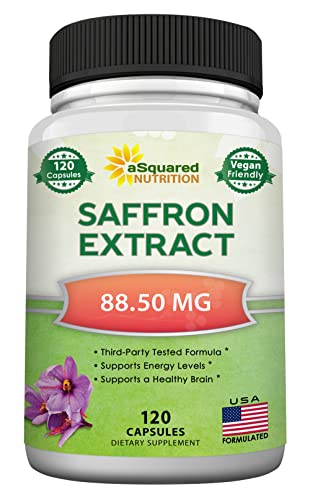
This product is ideal for adults seeking a straightforward, single-botanical capsule instead of a saffron blend, tea, powder, or gummy. It is particularly suitable for those comfortable with a manufacturer-recommended daily extract dose of 88.5 mg and a large 120-capsule bottle. The simple ingredient list may also appeal to individuals looking to avoid stimulant-based energy blends. This product is intended for use by non-pregnant, non-nursing adults over 18, and users should consult a healthcare professional if they are taking medications or have medical conditions.
This product is not suitable for individuals seeking independently verified quality of a finished product, batch-specific identity verification, or disclosed contaminant testing results. It is also not appropriate for those selecting saffron specifically for conditions such as depression, ADHD, diagnosed eye diseases, heart conditions, or other health issues that require medical assessment, as it has not undergone clinical testing and should not be regarded as a treatment substitute. Pregnant or nursing individuals, minors, those preparing for surgery, and individuals on prescription medications should consult a healthcare professional before considering the use of saffron.
The product label indicates that each capsule contains 88.5 mg of saffron flower extract, with cellulose and rice flour as additional ingredients. The manufacturer supplies a separate contraindications leaflet highlighting important warnings for certain vulnerable groups and specific health conditions. While more informative than a generic warning, this does not replace personalized medical advice. The brand also claims third-party testing and U.S. manufacturing; however, it does not provide a current batch report or specify the testing laboratory, making it impossible to verify the product’s identity, potency, contaminants, or adulterants independently based on the available information. Regarding sourcing and environmental impact, the manufacturer states that the saffron is hand-harvested from Crocus sativus. However, it does not specify the growing region, farm, cooperative, supplier, harvest batch, organic certification, irrigation methods, or agricultural input controls. The product information also lacks details about packaging materials or recycling instructions. No FDA recalls or warning notices related to this product were found in the available searches, but the absence of such notices does not necessarily indicate that it has undergone thorough safety testing.
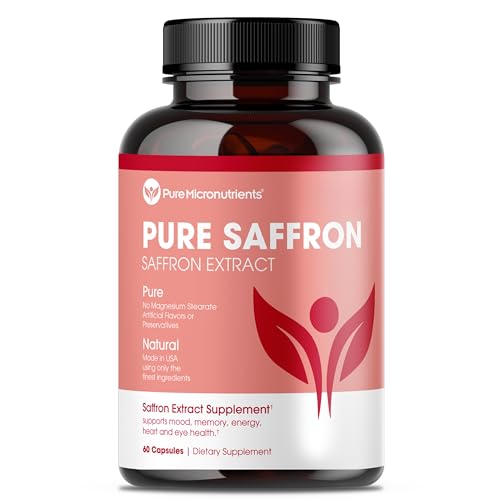
This product is suitable for adults seeking a straightforward, single-botanical capsule that clearly discloses both the active and non-active ingredients, along with the specified amounts. It is particularly relevant for individuals interested in using saffron to support mood or appetite, with cautious expectations and consultation with a healthcare professional if necessary. The 60-capsule container is ideal for those comfortable with taking the supplement twice daily, providing a one-month supply. However, it is not intended to replace evidence-based treatments for conditions such as depression, anxiety, eye disorders, heart disease, or weight management.
It is not recommended for use during pregnancy or breastfeeding, as the manufacturer's guidelines advise against adding supplemental saffron in these situations. Individuals with bipolar disorder should also avoid it, according to the same guidelines. Those taking prescription medications, especially treatments that influence mood, blood sugar, blood pressure, sedation, or are preparing for surgery, should consult with a pharmacist or healthcare provider for personalized advice. Additionally, it may not be suitable for consumers who require products that are independently certified, include lot-specific potency verification, contain standardized levels of crocin, picrocrocin, or safranal, or have traceable saffron origin.
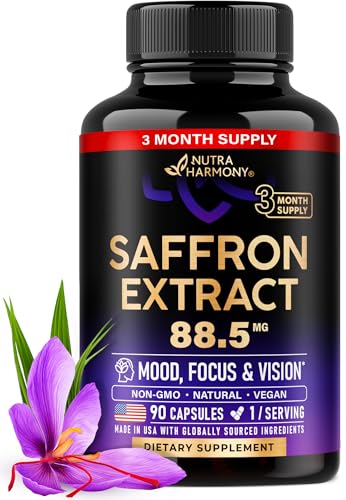
The label contains several important safety warnings. It restricts usage to adults, recommends consulting a healthcare professional before taking the supplement, and advises against use during pregnancy or breastfeeding. Additionally, it notes that the facility processes milk, eggs, wheat, soy, fish, tree nuts, and peanuts. These warnings are more informative than a generic supplement disclaimer, though they do not replace specific guidance on drug interactions or mental health treatments related to the formula. Furthermore, the label claims that the product contains vegan, non-GMO ingredients, is made in the United States with globally sourced components, complies with GMP standards, and has ClimatePartner certification. However, the NIH database lists these statements as label claims rather than independent verification of ingredient testing or farming practices. No publicly available batch reports, details about the saffron’s origin, farm or supplier documentation, organic certification, cultivation impact data, packaging material specifications, or recycling instructions could be found. Therefore, the product has limited independently verifiable information regarding its ecological impact and traceability.
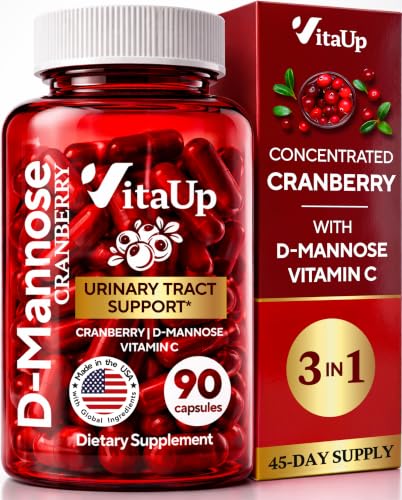
This product is ideal for adults seeking a straightforward, single-ingredient saffron supplement in capsule form, who prefer a fully disclosed formula over proprietary blends. It is most suitable for individuals interested in supporting mood or overall wellbeing outside of specific medical conditions, and who recognize that the scientific evidence pertains to certain standardized saffron extracts, not necessarily this unlabeled extract profile. The 90-capsule size is convenient for those establishing a regular, once-daily routine instead of occasional use.
This product is not recommended for use during pregnancy or breastfeeding, for children, or for individuals who cannot seek medical advice while taking medications. Caution is advised for those using anticoagulants, psychiatric medications, or multiple prescription drugs, as the interactions with saffron are not fully understood, and the label only provides a general warning about medication interactions. Additionally, it is not suitable for buyers who require independently certified product quality, batch-specific contaminant testing, verified Crocus sativus markers, traceable sourcing, or a standardized extract backed by scientific evidence.
The product contains 30 mg of Affron saffron extract derived from the stigma of Crocus sativus. According to Affron’s supplier, the extract is standardized using HPLC to contain at least 3.5% Lepticrosalides. This indicates ingredient specificity but does not verify the actual contents of the specific bottle in question. While Sports Research offers NSF-listed creatine products, the official NSF records do not include this saffron softgel; therefore, the company's listing should not be considered a certification of this product. No publicly available laboratory report for a specific batch of this product has been found. This means that the batch’s identity, levels of key marker compounds, and testing for contaminants remain unverified. Additionally, there are no records of FDA recalls, warning letters, or public exposure alerts related to this product in the sources examined. The manufacturer states that the product is made in the United States using both domestic and international ingredients but does not disclose details about the saffron’s origin, farming practices, organic certification, packaging materials, or recycling instructions. Consequently, claims regarding environmentally friendly cultivation and packaging cannot be substantiated based on the available information.
This product is suitable for adults looking for a straightforward, single-ingredient saffron supplement aimed at supporting overall mood and occasional stress, rather than a multi-herb blend. It is particularly ideal for individuals who appreciate the use of Affron, as a human placebo-controlled study utilized the same branded extract at a similar daily dose over four weeks. The convenient one-softgel daily routine and 60-day supply make it suitable for those seeking a short-term trial, allowing them to monitor its effects and consult a healthcare professional about their medications and health history as needed.
This product is not appropriate for individuals who require detailed laboratory proof of identity, potency, heavy metal analysis, pesticide screening, microbial testing, or banned substance testing prior to use. Additionally, it should not be considered a replacement for medical assessment or treatment of depression, anxiety, suicidal thoughts, or other mental health conditions. Pregnant or breastfeeding women, children, individuals preparing for surgery, and those taking antidepressants or other mental health medications should not rely solely on the limited cautionary information provided on the label. They should consult a qualified healthcare professional before using saffron supplements.
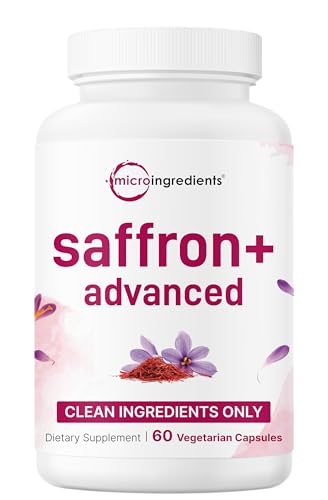
The manufacturer claims that this product is tested by a third party, produced in a cGMP-certified facility, non-GMO, and sourced from trusted, single-origin suppliers. While these are positive quality indicators, no publicly available certificate of analysis, information about an accredited laboratory, independent certification of the finished product, details on saffron origin, supplier, harvest records, or chain-of-custody documentation could be found. Additionally, there are no public records of FDA recall notices, warning letters, or alerts regarding contaminated products related to this item. The saffron is listed as Crocus sativus flower extract standardized to contain 0.3% safranal; however, its specific source and other saffron quality markers are not publicly disclosed. The manufacturer also mentions that the product is eco-certified, but no details about the certification or the sustainable farming practices involved are provided. Product images show a small bottle, but there is no information on the packaging materials, recycling instructions, or waste-reduction measures specific to the packaging. The ingredient formulation warrants careful consideration, as the inclusion of 5-HTP and ashwagandha could pose interactions with medications or safety concerns for vulnerable users.
This product is designed for adults seeking a one-month, capsule-based supplement rather than individual bottles of magnesium, saffron, 5-HTP, and botanical extracts. It is ideal for individuals who can consult with a pharmacist or healthcare professional to review a complex formula, are not using serotonergic or sedative medications, and are comfortable with the fact that the manufacturer’s testing and sourcing claims are not supported by publicly available batch documentation. Additionally, it may be suitable for those who require a vegetarian, gluten-free, and soy-free formulation.
This product is not suitable for use during pregnancy or breastfeeding, by children, or by individuals preparing for surgery unless advised by a healthcare professional. Those taking antidepressants, other serotonin-influencing medications, sedatives, blood pressure or diabetes medications, thyroid hormones, anticonvulsants, immunosuppressants, or blood thinners should consult a healthcare provider before use. Additionally, it may not meet the needs of buyers seeking a pure saffron product, individually dosed lemon balm and L-theanine, publicly available batch testing results, or independently certified finished-products.
The primary health concern is the dosage. The product label specifies the amount of elemental magnesium, not just the weight of the magnesium glycinate compound. A single gummy containing 200 mg of magnesium exceeds the NIH recommended upper limit of 110 mg per day for children aged 4 to 8. Consuming two gummies totaling 400 mg also surpasses the upper limit of 350 mg for adolescents aged 9 to 18. Excessive magnesium intake from supplements can lead to side effects such as diarrhea, nausea, and abdominal cramps. Regarding saffron, the label indicates it is Crocus sativus stigma extract standardized to 10% crocins and 0.7% safranal. However, no publicly available independent testing reports were found to confirm these marker levels, contaminants, or the integrity of the final product. The presence of a GMP certification logo and quality claims on the packaging have not been verified through independent finished-product certification. Searches of FDA public recall and warning-letter databases did not reveal any actions related to NEVISS. Although the product uses algae-derived oils and is packaged in two bottles, there is no available information on saffron traceability, organic certification, cultivation impact, packaging materials, or recycling instructions.
This product is primarily suitable for households looking for a sugar-free, fish-free gummy containing algae omega-3, magnesium, and various botanicals. However, it should only be used after a pediatric healthcare professional has reviewed the child's complete diet, medications, health conditions, and recommended dosage. The half-gummy option delivers 100 mg of elemental magnesium, which is below the upper limit for children aged 4 to 8. Due to its complex formulation, it is better suited for caregivers who can oversee the child's total supplement intake, rather than those seeking a straightforward, single-ingredient product.
This supplement should not be used unsupervised at the full recommended dose (one gummy) for children aged 4 to 8, as it contains 200 mg of magnesium, exceeding the NIH upper limit for that age group. Additionally, it is not suitable for children taking antibiotics or other medications that may interact with magnesium, or for children who are already taking magnesium, vitamin D, zinc, omega-3s, or supplements for sleep, mood, or attention. Families managing conditions such as ADHD, anxiety, depression, chronic sleep issues, or other behavioral concerns should not rely on this general supplement blend as a substitute for professional medical evaluation or prescribed treatment.
No public FDA recall or warning letter related to this product or NEVISS was identified during the searches conducted. However, this does not constitute independent verification of the product’s quality. The manufacturer states that the gummies are produced, tested, and bottled at a third-party certified facility, but they do not provide a comprehensive finished-product report that confirms ingredient identity, dosage, contaminants, or adulterant testing. The brand claims the saffron is organically grown in Spain and certified as organic, and Amazon lists the product as organic. However, no USDA organic certification, specific saffron supplier information, harvest details, or traceability records could be found. The product is packaged in a small bottle, but details about the packaging material, recycled content, recycling instructions, or waste-reduction efforts are not available. Although the marketplace describes the product as vegan, it contains honey; therefore, consumers following a strict vegan diet should verify the label directly.
This product is ideal for adults who favor gummies over capsules and are seeking a caffeine-free, saffron-based wellness supplement primarily for overall mood support rather than the treatment of a specific health condition. The 60-count package may also appeal to those wanting to try a short-term routine before committing to a larger quantity. Buyers should note that the claims regarding the saffron content, Spanish origin, organic certification, and manufacturing in a third-party facility are made by the manufacturer and have not been independently verified through batch testing.
This product is not ideal for individuals who require a fully detailed formula, extensive testing reports, independently certified supplement status, or sport certification. Caution is also advised for pregnant or breastfeeding women, children, and those taking sedatives, seizure medications, thyroid drugs, diabetes or blood pressure medicines, immunosuppressants, or individuals with liver issues. Ashwagandha is included in the formulation, but authoritative safety guidelines recommend avoiding it during pregnancy and breastfeeding due to potential interactions with medications and rare reports of liver injury.
The manufacturer claims that this product is a vegan, sugar-free gummy and states that it is free from gluten, soy, dairy, and artificial additives. Their public instructions recommend that pregnant or nursing women and individuals taking prescription medications consult a healthcare professional before use. While this serves as a helpful general caution, it does not replace specific information regarding drug interactions, surgery considerations, children, or mental health treatments related to the product. No publicly available laboratory report or lot-specific data has been found regarding the identity of saffron, including crocin, picrocrocin, safranal, or testing for heavy metals, pesticides, microbes, or potential drug-like adulterants. The manufacturer’s GMP (Good Manufacturing Practice) claim could not be verified through an independent certification or publicly accessible manufacturing records. Additionally, there is no disclosed information about the origin of the saffron, details about the farm or processor, harvest practices, organic certification, cultivation methods, packaging materials, or recycling instructions. Searches did not reveal any FDA warning letters or recalls associated with Lukaree.
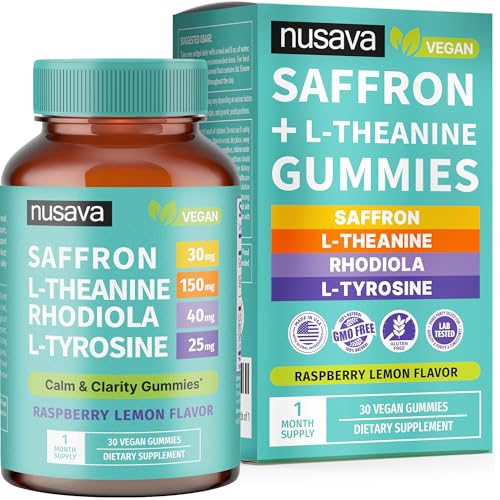
This product is suitable for adults who prefer a chewable, sugar-free, vegan supplement, and who want a consistent two-gummy daily routine. It is important to note that the formula combines saffron with ingredients like L-theanine, GABA, botanicals, and carotenoids, rather than providing a clinically studied saffron extract alone. It may be appropriate for individuals seeking overall wellness support, especially if they review their complete supplement and medication regimen with a healthcare professional, since some ingredient doses are not individually disclosed.
This product is not recommended for children, especially those in households considering it for issues related to attention, behavior, or sleep. It is also not suitable for pregnant or breastfeeding women, individuals preparing for surgery, or anyone taking prescription medications or undergoing treatment for depression, anxiety, bipolar disorder, or other mental health conditions without consulting a healthcare professional. Customers requiring comprehensive lot testing, verified saffron standardization, accurate carotenoid dosages, or clearly documented allergen and excipient information should choose a product that provides those records publicly.
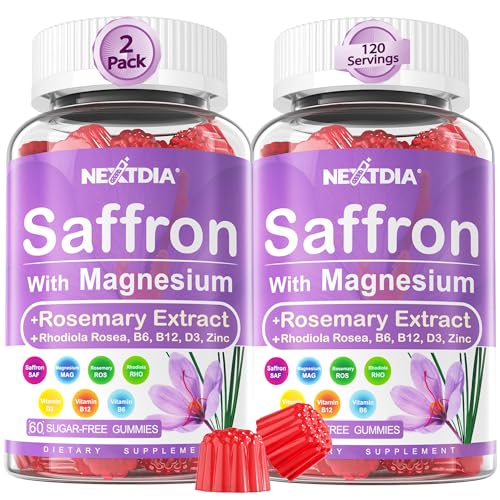
The manufacturer claims that the gummies are sugar-free, vegan, pectin-based, gelatin-free, soy-free, and egg-free. They also state that production, testing, and bottling take place in a GMP-certified facility. While these are positive claims regarding formulation and manufacturing, the specific responsible facility and certification details have not been publicly disclosed. Additionally, no public batch reports for this product have been found. Nextdia states that its extract is derived from Negin saffron but does not specify the country of origin, supplier, harvest details, chain of custody, or lot-specific botanical authentication. Although the product is marketed as organic, no USDA organic operation record or certification was located. The available information also does not specify details about the bottle resin, recycled content, recycling instructions, or other waste management measures related to packaging. Furthermore, there are no publicly available FDA warning letters, recalls, or notices of tainted products associated with this product.
This product is ideal for adults seeking a long-lasting gummy supplement without melatonin, particularly those interested in a broad, manufacturer-specified blend to support daily calm, relaxation, or focus. It may be especially convenient for individuals who dislike capsules and prefer a sugar-free, vegan, and gelatin-free option. Buyers should be comfortable with a multi-ingredient supplement rather than a standardized saffron product with a single ingredient. Additionally, they should consider the claimed effects on mood, sleep, and appetite as unverified for this specific formula.
This product is not recommended for use during pregnancy or breastfeeding, nor for children, individuals preparing for surgery, or anyone taking antidepressants, other psychiatric medications, sedatives, blood pressure medications, or complex medication protocols without consulting a healthcare professional. The formula contains saffron, rhodiola, magnesium, and several micronutrients, but available product information does not provide detailed guidance on potential interactions with these ingredients. Additionally, it may not be suitable for buyers who require a lot-specific certificate verifying saffron authenticity, marker levels, contaminant tests, or independently certified quality of the finished product.
The product page features a ClimeCo Certified carbon impact label, indicating that the product has a meaningful environmental certification. However, it does not provide specific information about the saffron farm’s origin, irrigation practices, fertilizer use, organic certification, bottle material, or local recycling instructions. Additionally, no details regarding the origin, supplier, harvest, or lot traceability of the saffron extract were found. The formulation includes a combination of various botanicals and neuroactive ingredients. The seller offers basic safety information for adults, pregnant and nursing women, children, and persons with medical conditions, as well as dose limitations and sealing details. However, it is important to note that black cohosh has been associated with reported cases of liver injury from commercial products, though the exact cause is uncertain. Federal health authorities recommend caution for individuals with liver problems. The product page's claims about third-party testing were not supported by a publicly available batch report. No evidence of any FDA recalls or warning letters related to this product was identified during the review.
This product is suitable for adults who prefer a strawberry-flavored liquid instead of capsules, wish to combine multiple botanicals in a single 30-day bottle, and are comfortable trusting the specified ingredient quantities and vegan, gluten-free claims provided by the seller. It is most relevant for individuals seeking general mood support or relief from daily stress, rather than treatment for conditions such as depression, anxiety, menopause symptoms, cognitive decline, or endocrine disorders. Consulting a pharmacist or healthcare professional before use is advisable if the buyer is taking medications or has ongoing health issues.
This product is not suitable for pregnant or breastfeeding women, individuals under 18, or those seeking a single-ingredient product with independently verified batch testing. People with liver disease, unexplained abdominal pain, dark urine, or jaundice should avoid self-medicating with black cohosh-containing blends without consulting a healthcare professional. Additionally, it may not be appropriate for individuals taking prescription medications, blood thinners, antidepressants, or multiple sedatives unless reviewed by a pharmacist. Do not use this product as a replacement for medical evaluation of ongoing low mood, severe anxiety, cognitive issues, or difficult menopausal symptoms.