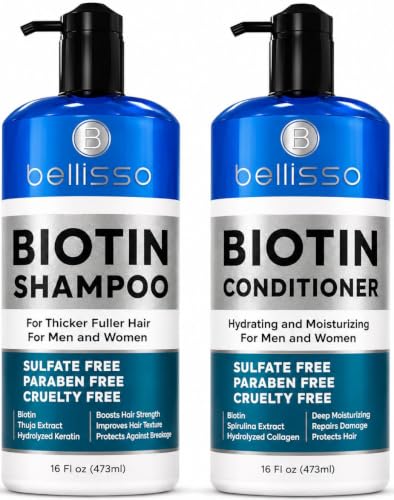
Biotin Shampoo and Conditioner Set by BELLISSO
Free from sulfates and parabens.
Enhances hair thickness and volume.
Suitable for both men and women.
We compared the top Shampoo For Thinning Hair products so you can quickly spot the strongest options for value, features, and everyday performance.
Free from sulfates and parabens.
Enhances hair thickness and volume.
Suitable for both men and women.
Promotes fuller, thicker hair with biotin.
Safe for color-treated hair, free from sulfates.
Supports hair growth with added collagen.
Promotes hair growth and reduces hair thinning.
Infused with nourishing argan oil for repair.
Free from sulfates and parabens.
Adds volume without weighing hair down
Contains strengthening keratin and biotin
Free from parabens, phthalates, and sulfates
Sulfate-free formula for gentle, effective cleansing.
Contains keratin for strengthening fine hair.
Free from parabens and phthalates.
Natural rosemary and biotin formula.
Promotes thicker, stronger hair growth.
Supports a healthy, nourished scalp.
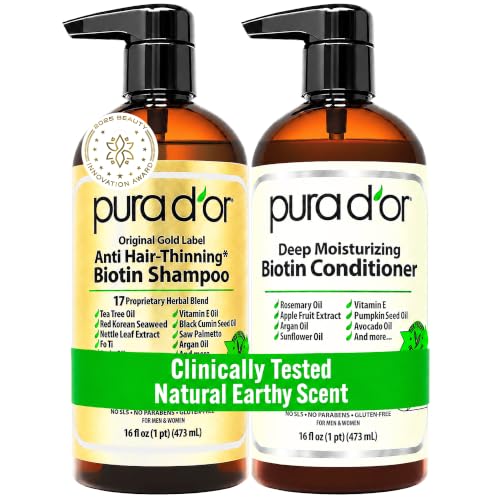
Clinically tested for effective anti-thinning results.
Contains natural DHT blockers for hair thickening.
Suitable for both men and women.
Promotes stronger, healthier hair growth.
Convenient 2-in-1 formula saves time.
Suitable for both men and women.
Promotes hair growth with natural ingredients.
Sulfate-free formula for gentle cleansing.
Infused with nutrient-rich rosemary and biotin.
Promotes natural hair thickening effectively.
Contains hydrolyzed keratin for strengthening.
Suitable for both women and men.
Shampoos designed for thinning hair primarily serve as cosmetic rinses. They help cleanse the scalp, enhance hair softness and manageability, reduce oiliness or product buildup, provide temporary volume, and make hair appear fuller. Some conditioners included may also decrease friction during combing and reduce breakage. It's important to note that these effects are temporary and do not address the underlying causes of hair thinning, such as increasing follicle density or stimulating hair regrowth.
#Clarifying Claims
The initial step is to determine whether the product makes a cosmetic or a treatment claim. Terms like “fuller-looking,” “more volume,” “less breakage,” or “stronger-feeling” are acceptable if they are clearly qualified as cosmetic outcomes. Conversely, claims suggesting the product activates hair follicles, blocks DHT, prevents hair loss, or stimulates regrowth imply treatment effects that require substantial scientific backing. Such claims may also raise concerns regarding drug-related claims. For example, evidence showing rosemary oil, caffeine, or biotin’s benefits does not automatically apply to a specific shampoo unless the product, its concentration, usage instructions, exposure time, and results have been specifically studied.
#Evidence of Effectiveness
Reliable proof of a product’s performance involves peer-reviewed human studies or registered clinical trials testing the exact finished product. Methods used might include standardized hair counts, phototrichograms, measurement of hair caliber, hair-pull tests, or instrumental breakage assessments. While surveys of user perception, short-term routine studies, or tests on hair strands can provide insights into hair texture or breakage, they do not demonstrate that the shampoo alone can induce hair regrowth. Percentages reported in marketing materials often combine multiple products, rely on self-assessment, involve small test groups, lack control groups, or focus on breakage rather than new hair growth.
#Ingredient and Safety Considerations
For health considerations, always review the complete, current ingredient list available on the packaging or manufacturer’s website. Labels claiming “sulfate-free,” “paraben-free,” “natural,” or “clean” do not automatically indicate low irritancy or safety. Fragrance components may conceal specific ingredients, and essential oils such as rosemary, tea tree, peppermint, eucalyptus, or citrus oils may cause irritation in sensitive individuals. More reliable safety assessments include finished-product human patch testing (e.g., HRIPT or RIPT), preservative efficacy testing according to ISO 11930, microbial testing specific to the batch, and current manufacturing quality data.
#Environmental Claims and Packaging
For environmental considerations, check for product-specific biodegradability testing following OECD Test Guideline 301 and aquatic toxicity testing under OECD Guidelines 201, 202, or 203. An EPA Safer Choice label indicates a safer product at the regulatory level. Packaging claims should specify materials used, resin codes, weight, recycled content, and whether the packaging is recyclable in the U.S. A refill claim is more meaningful if the refill material and disposal options are clear. Simply stating a reduction in plastic does not guarantee the packaging is recyclable.
#Warnings and Precautions
Be cautious of fragrance allergens, essential oils, menthol, and botanical ingredients that could trigger irritation or allergic contact dermatitis. Many products lack publicly available patch test results, microbial or preservative challenge data, and clinical evidence specific to the product. These shampoos should not replace medical evaluation in cases of sudden, patchy, painful, scarring, inflamed, or persistent hair loss. One product also warns that certain ingredients may be harmful to pets, especially cats; users should follow storage and hygiene instructions to prevent exposure.
---
This rewritten version preserves the original key points while presenting the information clearly in English.

These points differentiate a shampoo that is simply marketed for thinning hair from one whose formulation, packaging, testing, and claims can be verified. Typically, the products provide more detailed information regarding their cosmetic ingredients and uses than about hair regrowth, final product testing, or environmental impact.
This measure assesses the potential for avoidable irritation and allergic contact risks in products applied directly to the scalp. Fragrance-free or fully transparent, low-sensitizer formulas that have undergone finished-product human compatibility testing tend to perform the best. Among the products evaluated, scores range from 52 to 70: higher-scoring products disclose more information about potential triggers, whereas lower-scoring options often contain fragrances, isothiazolinone preservatives, or aromatic oils without publicly available patch-test data.
This evaluates whether buyers have access to the full current ingredient list to assess its components, rather than relying solely on "free-from" claims. Providing full INCI disclosure and clearly identifiable fragrance allergens contributes to a higher score. The scores assigned range from 48 to 78. The highest-rated products publish detailed, up-to-date ingredient lists, while lower-scoring items either omit the complete formula or make claims that contradict their listed ingredients.
Rinse-off shampoos can still become contaminated or be inadequately preserved. Therefore, this evaluation focuses on manufacturing controls, microbial testing, stability assessments, and preservative challenge testing. Achieving a high score depends on having up-to-date quality documentation and independent, lot-specific test results—not just a history of a clean marketplace. Most scores range from 68 to 70 because none of the products provided comprehensive public batch testing and preservation records necessary for a significantly higher rating.
This assessment evaluates whether regular use is unlikely to exacerbate dryness, itching, rash, shedding, or breakage. Conducting independent finished-product testing and maintaining transparent monitoring of adverse events would contribute to a higher score. The scores range from 55 to 70. Products that disclose their cleansing systems and have clearer cosmetic expectations tend to score higher, whereas those with fragranced or potentially sensitizing formulas that lack publicly available tolerability testing tend to score lower.
This pertains to the fate of shampoo residues in wastewater: how easily the formula decomposes and whether its ingredients present risks to aquatic life. Results from product-specific OECD biodegradability tests and aquatic toxicity assessments, or an EPA Safer Choice certification, would contribute to a higher score. The scores provided range from 68 to 70, primarily due to the lack of comprehensive environmental testing of the final product formulation.
This assessment evaluates the environmental impact of bottles, pouches, and other packaging materials, as well as the feasibility of reuse or recycling within the United States. The highest scores are awarded to products with minimized packaging, confirmed recycled content, transparent resin information, and easily accessible options for refilling or recycling. The scores assigned range from 68 to 76. The availability of refills played a key role in differentiating higher-rated products; however, claims by manufacturers regarding plastic reduction did not serve as independent evidence of recyclability.
This assesses whether the product clearly distinguishes between temporary effects such as volume enhancement, cleansing, conditioning, and reduced breakage, versus claims related to hair growth or treating hair or scalp conditions. Scores range from 43 to 83. Products with higher scores remain in the cosmetic category and specify their results; those with lower scores often use terms like follicle activation, DHT blocking, regrowth, or anti-hair-loss claims without supporting evidence specific to the rinse-off product.
This assessment questions whether the specific shampoo, when used as directed, has credible human evidence supporting a claim of hair thinning or regrowth. The most reliable evidence comes from controlled studies that include objective measures such as hair counts, hair caliber assessments, phototrichograms, pull tests, or instrumental breakage measurements. These studies typically score between 68 and 70. However, reviews consistently indicate that there are no controlled trials examining the exact product alone; instead, available evidence often relates to multi-product routines or relies on subjective results rather than solely on shampoo-based regrowth.
This assesses whether safety, environmental, ethical, or performance claims have been independently verified by an accredited laboratory or organization. Product-specific registry entries and certified ISO/IEC 17025 laboratory reports are more reliable indicators than simply brand claims. The scores provided range from 68 to 78. Products with higher scores generally featured verifiable certifications or verification indicators, whereas many claims such as cruelty-free, dermatologist-tested, vegan, or environmentally friendly status were often only stated by the manufacturer themselves.
This assesses whether the product includes sufficient identification details, such as company information, labeling, lot number, and expiration date, to facilitate problem investigation or recall actions. It also takes into account relevant FDA enforcement actions or recall history. Scores range from 60 to 74. Although most products showed no record of recalls or warning letters in the sources reviewed, the lack of an enforcement record does not guarantee batch quality, as incomplete lot and expiration information can still hinder traceability.
The key health concern is exposure to preservatives and fragrances. Independent ingredient lists reveal that the shampoo and conditioner contain fragrances along with methylchloroisothiazolinone and methylisothiazolinone. The FDA recognizes fragrances and these preservatives as common allergens in cosmetics. European scientific experts have determined that methylisothiazolinone can cause contact allergies, although limited use in rinse-off products may be allowed. No patch-test data or reports of adverse events for the finished products were available. Regarding environmental impact, there are no available biodegradability or aquatic toxicity test reports for the final formulation. The conditioner includes cyclopentasiloxane, also known as D5, which European chemical authorities have flagged as a substance of concern due to its environmental persistence. Additionally, information on refill systems, recycled content, packaging resin standards, or certifications from organizations like EPA Safer Choice, Leaping Bunny, USDA Organic, COSMOS, or NSF was not found. There are no recent FDA recalls or warning letters related to these products in the publicly available sources reviewed.
This collection is ideal for adults with fine hair seeking a standard shampoo and conditioner routine designed to provide temporary volume, a smoother texture, and reduced breakage during styling. It is best suited for individuals who understand that a rinse-off cosmetic can enhance the appearance and manageability of hair without serving as a treatment for hair loss. Additionally, it may be suitable for those who prefer sulfate-free cleansing products and have no known sensitivities to fragrance, methylisothiazolinone, or methylchloroisothiazolinone.
This product is not suitable for individuals with diagnosed fragrance allergies, isothiazolinone allergies, recurrent scalp dermatitis, unexplained itching, or previous reactions to shampoos or conditioners. Both products contain fragrance, methylchloroisothiazolinone, and methylisothiazolinone, which are known contact allergens. Those experiencing sudden, patchy, postpartum, medication-related, or progressive hair loss should not rely on its cosmetic thickening claims as a substitute for professional medical evaluation. Additionally, it does not satisfy the needs of consumers looking for fragrance-free products, publicly available clinical evidence, or independently certified environmental standards.
The formula is more transparent than products that only list selected ingredients, as the manufacturer provides comprehensive current ingredient lists for both steps. The shampoo’s listed surfactants reinforce its sulfate-free claim. However, both products contain fragrance, and neither disclosure page reveals the specific fragrance components or potential fragrance allergens. This lack of detail reduces confidence for individuals who are sensitive to scalp irritation or prone to allergic contact reactions. There is no EPA Safer Choice certification, third-party independent safety testing, or publicly available data on product biodegradability and aquatic toxicity. Additionally, no FDA recalls or warning letters related to these products were identified during the searches. The product is available in two standard liquid bottles, but information on recycled content, packaging resin specifications, refill options, or US recycling pathways was not found.
This set is ideal for adults seeking a traditional, fragrant rinse-out routine for dry or fine hair, especially those who prefer a sulfate-free shampoo. The 33.8-ounce combined size is convenient for regular use of both products, offering a standard cleanse followed by a conditioning treatment that contains silicones and quats. It is best suited for cosmetic purposes, such as easier conditioning, a smoother texture, and a temporarily fuller appearance, rather than for treating a diagnosed hair loss condition.
This product is not suitable for individuals with fragrance allergies, a highly sensitive or eczema-prone scalp, or a history of contact dermatitis caused by fragranced hair products. It should not be used as a treatment for sudden hair shedding, patchy hair loss, scalp pain, scaling, or significant thinning, as these conditions require evaluation by a healthcare professional. Additionally, the product does not offer independently verified hair growth results, public batch testing, fragrance allergen disclosures, refillable packaging, or verified information on environmental impact, as these records are not available.
Luseta provides complete ingredient lists for both their shampoo and conditioner, demonstrating a commendable transparency practice. The formulas are not fragrance-free; they include fragrances as well as red and violet colorants. Additionally, the conditioner contains several conditioning agents and dimethicone. While these ingredients do not necessarily indicate harm, they may make the products less suitable for individuals with highly reactive scalps. There is no evidence of independent repeat-insult patch testing, product-specific adverse event reports, or microbiological and preservative-efficacy testing at the lot level. The manufacturer claims that the shampoo is sulfate-free and paraben-free. However, these limited claims do not necessarily imply that the products are of low hazard, biodegradable, or safe for aquatic environments. No EPA Safer Choice certification, publicly available OECD biodegradability or aquatic toxicity data, recycled-content information, resin identification labels, or verified recycling pathways were found for these products. Luseta offers refill pouches for this collection, though availability may vary.
This collection is ideal for adults seeking a traditional, lightly fragranced shampoo and conditioner routine designed for fine hair that requires cosmetic softness, smoothness, shine, and a fuller appearance. The two 16.9 fl oz bottles are convenient for households that will regularly use both products. It is also suitable for those who specifically prefer formulas free from sulfates and parabens, though it’s important to note that these claims do not imply treatment for hair loss or hair regrowth.
This product is not recommended for individuals with fragrance sensitivities, allergic contact dermatitis, scalp eczema, or a history of reactions to dyed or fragranced hair products. It is also not suitable as a treatment for sudden hair shedding, patchy hair loss, scalp pain, scaling, or significant thinning, as these conditions require clinical evaluation rather than a cosmetic rinse-off product. Consumers looking for fragrance-free options, products with independently verified safety testing, or packaging with proven eco-friendly and aquatic performance should choose a product that offers those certifications and records.
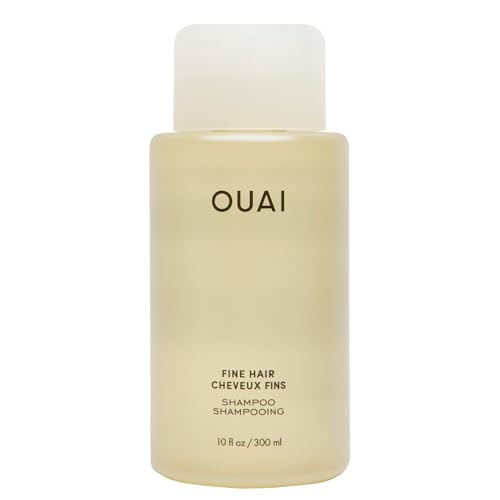
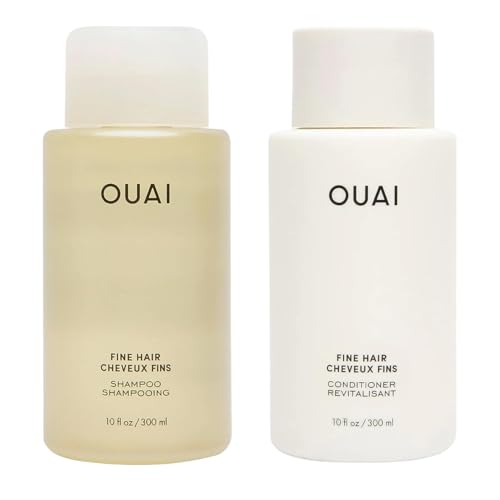
The formulation is transparent enough to allow for ingredient screening. It includes fragrance along with benzyl salicylate, limonene, and hexyl cinnamal, which provides identifiable reasons for scent-sensitive users to exercise caution. Additionally, cocamidopropyl betaine is present. Existing literature on contact dermatitis indicates that shampoos can sometimes trigger reactions in individuals with sensitivities. However, there are no publicly available independent repeat-insult patch tests, preservative-challenge tests, or microbial reports specific to this batch of the product. OUAI states that the bottle is fully recyclable and offers a 32 oz refill, which are positive waste-reduction measures. Nonetheless, the public product page does not specify the type of resin used in the bottle, recycled content, refill material, package weights, or whether the packaging is compatible with US recycling facilities. There is no evidence of EPA Safer Choice certification, readily-biodegradable testing, aquatic toxicity assessment, or independent environmental certifications for this shampoo. Additionally, searches of FDA recall and warning-letter databases did not reveal any product-specific actions.
This product is designed for adults with fine hair who prefer a traditional, scented shampoo that provides a cleaner feel and a cosmetic lift after washing. The 10 oz size is ideal for those wanting to try out the cleansing effectiveness and Mercer Street fragrance to see if it suits their routine. It is primarily aimed at individuals seeking added volume and body, rather than addressing medical concerns related to progressive hair thinning. The refill option is also suitable for repeat users who have already confirmed that the product is compatible with their scalp.
This product is not suitable for individuals with known fragrance allergies, allergic contact dermatitis, ongoing scalp itching, eczema, or a previous reaction to cocamidopropyl betaine. Such users should opt for a fragrance-free formula with a simpler list of disclosed allergens and ideally choose a product that has undergone finished-product compatibility testing. Additionally, this rinse-off cosmetic is not appropriate as the primary treatment for sudden hair shedding, patchy hair loss, scarring, or significant thinning, as there is no specific human evidence indicating its effectiveness for hair regrowth or disease treatment.
The primary health benefit is ingredient transparency. OUAI provides a list of current ingredients for both products, including fragrance allergens such as benzyl salicylate, limonene, and hexyl cinnamal. This enhances the practicality of avoiding specific allergens compared to products with undisclosed fragrance blends. However, this does not make the products fragrance-free or low in potential to cause sensitivities. The added fragrance and the sodium C14-16 olefin sulfonate in the shampoo are noteworthy considerations for individuals with sensitive or dry scalps. There is no publicly available information on finished-product patch testing, microbial challenge testing, or independent reports of adverse events. The manufacturer claims that the bottles are recyclable and offers a refill for the Fine Hair Shampoo. Nonetheless, publicly accessible documentation does not specify the type of resin used for the bottles, the current percentage of recycled plastic, the package weight, access to U.S. recycling programs, biodegradability, or aquatic toxicity data for these products. Additionally, searches through FDA recall and cosmetics warning-letter databases did not reveal any product-specific recalls or warnings related to this pair.
This set is ideal for adults with fine hair seeking a regular, fragranced wash routine that emphasizes cosmetic volume, cleansing, and lightweight conditioning, rather than a medical hair loss treatment. The two 10-ounce bottles are suitable for those who plan to use shampoo and conditioner together and are comfortable with scented products. It’s also suitable for shoppers who prefer to see full ingredient lists before buying, especially if they need to avoid a specific ingredient clearly listed on the manufacturer’s page.
This product is not suitable for individuals with known fragrance allergies, fragrance-induced headaches or respiratory issues, scalp psoriasis or eczema, active rashes, or a history of reactions to hair care products. The formulas contain fragrance components along with benzyl salicylate, limonene, and hexyl cinnamal. Additionally, the shampoo uses a potent cleansing surfactant that may be drying or stripping on a dry scalp. Those looking for scientifically supported treatment for progressive thinning, sudden shedding, patchy hair loss, or scalp pain should not rely on this cosmetic duo for hair regrowth and should consult a healthcare professional for proper evaluation.
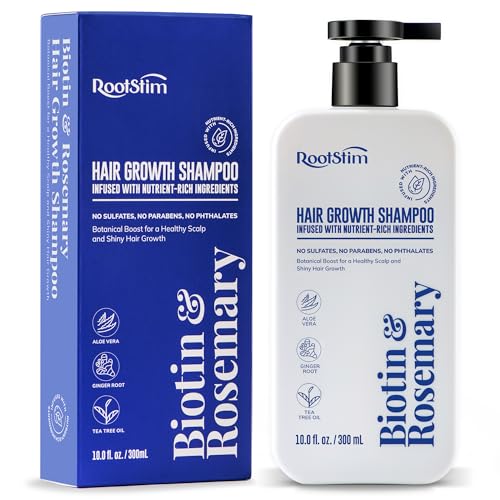
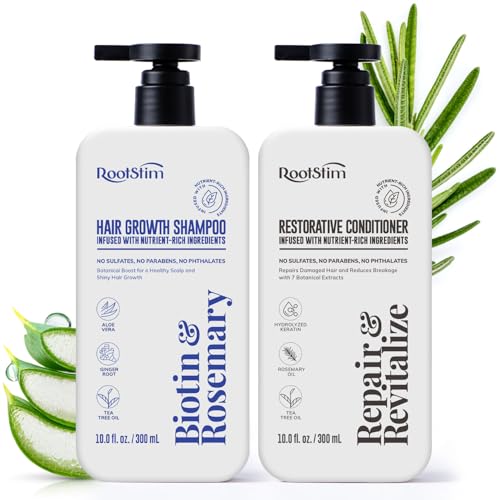
The most significant health concern is exposure to fragrances. The published ingredient lists reveal the presence of fragrances and multiple essential oils, including tea tree and rosemary in the shampoo and conditioner, as well as geranium oil in the conditioner. The FDA advises that fragrance components can provoke allergic contact dermatitis in sensitive individuals. RootStim recommends patch testing for safety; however, no independent human repeat-insult patch-test reports for this finished product set have been located. RootStim claims that the products are free from sulfates, parabens, and phthalates. Nonetheless, these claims do not replace the need for comprehensive safety or preservative testing of the finished products. No public ISO 11930 challenge-test report, lot-specific microbial safety certificate, EPA Safer Choice listing, biodegradability testing results, disclosures about recycled content, refill system details, or U.S. recycling instructions were found. Additionally, the CPSC recalled a RootStim minoxidil beard serum on January 15, 2026, due to non-child-resistant packaging, but this recall did not involve the shampoo and conditioner set.
This collection is ideal for adults with fine, dry, tangled, color-treated, or fragile hair who prefer a traditional rinse-out shampoo followed by conditioner rather than a leave-in treatment. It is best suited for those seeking cleansing, detangling, smoother hair, and a temporarily fuller appearance. The two 10-fluid-ounce bottles provide a convenient starter set for customers willing to perform a patch test first and who do not rely on cosmetic shampoos as a solution for medical hair loss.
It is not recommended for individuals with fragrance allergies, scalp eczema, active dermatitis, asthma triggered by scented products, or known sensitivities to tea tree, rosemary, geranium, or other essential oils. Do not rely on it for sudden, patchy, inflammatory, postpartum, or progressive hair loss, as these conditions may require medical evaluation, and there is no controlled human evidence supporting hair regrowth with this product. Additionally, households with pets should be aware that RootStim's shampoo ingredients may be toxic to animals, particularly cats.
The main health concern relates to exposure to scents. The shampoo contains several essential oils, and the conditioner includes rosemary oil. The manufacturer recommends discontinuing use if skin sensitivity develops. While full disclosure of ingredients demonstrates transparency, there is no publicly available patch-test report for repeated insults. An eight-week human study monitored adverse events; however, it excluded individuals with cosmetic allergies and was not specifically designed to assess compatibility with sensitive skin. Regarding regulatory issues, no FDA recall or warning letter for this product or its listed responsible company was found in the reviewed FDA sources. This does not necessarily indicate product quality. Additionally, no lot-specific microbiological reports or preservative-challenge test results are publicly accessible. The product is sold in two single-use bottles, and there are no publicly available details about recycled content, refill options, resin identification, biodegradability, or aquatic toxicity. While the brand claims support for tree planting, this does not clarify the environmental impact of wash-down or the recyclability of packaging.
This hair care set is designed for adults primarily concerned with breakage, frizz, dryness, tangles, or hair that looks temporarily limp after styling. It is ideal for those seeking a shampoo and conditioner duo with a transparent ingredient list and who are comfortable with a natural, herbal fragrance. An eight-week study has demonstrated improvements in perceived conditioning and manageability, so users can expect enhanced hair’s look and feel rather than treatment for hair loss.
This product is not recommended for individuals with eczema, an inflamed scalp, fragrance allergies, sensitivity to essential oils, or previous reactions to tea tree, citrus, rosemary, or other botanicals. The manufacturer advises against using it on broken or irritated skin and recommends discontinuing use if sensitivity develops. People experiencing sudden, patchy, postpartum, medication-related, or progressive hair thinning should not rely on this rinse-off cosmetic as evidence of hair regrowth, as its studies did not objectively measure regrowth.
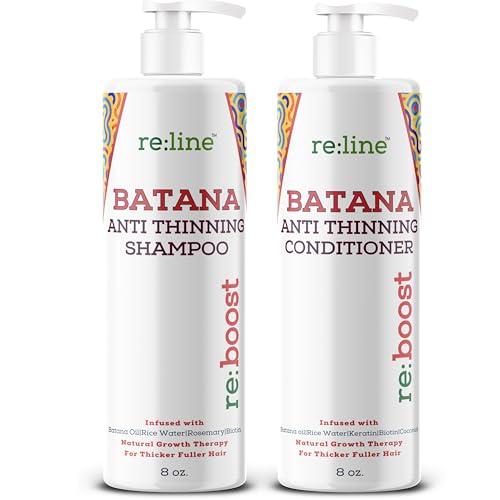
The manufacturer describes the product as scented and highlights ingredients such as castor oil, batana oil, and biotin. It also claims the product is free from sulfates, silicones, paraffin, phthalates, and parabens. However, these statements are provided by the manufacturer and do not replace a comprehensive ingredient list or safety assessment of the finished product. There is no evidence of public human repeat-insult patch tests, preservative-challenge tests, microbial certification for batches, or independent reviews of adverse events. Additionally, the product lacks any certifications from EPA Safer Choice, USDA Organic, COSMOS, Leaping Bunny, NSF, or similar independent certifying organizations in publicly available records. The manufacturer has not provided documentation regarding biodegradability, aquatic toxicity, use of recycled materials, resin identification, refillability, or recycling. No recalls, warning letters, or safety alerts related to this product from the FDA were found up to August 16, 2026. However, the absence of such records does not confirm the product’s formulation quality or environmental impact.
This product is ideal for adults seeking a compact 8-fluid-ounce scented wash that combines cleansing and conditioning in a single step. It is suitable for those aiming for easy-to-manage, soft hair with a temporarily fuller appearance. It particularly appeals to individuals who prefer a sulfate-free formula as claimed by the manufacturer and are comfortable with botanical oils and fragrances. Please note that it provides basic rinse-out hair care and is not intended to treat progressive hair thinning or any diagnosed scalp conditions.
This product is not suitable for individuals with fragrance allergies, allergic contact dermatitis, a highly sensitive scalp, or those who need to avoid certain surfactants or preservatives, as the public product page does not disclose the full INCI formula. People experiencing sudden hair shedding, patchy hair loss, scalp pain, scaling, or medically diagnosed alopecia should not rely on this product's claims regarding hair regrowth or DHT blocking. Such individuals require a proper diagnosis and evidence-based treatment recommendations. Additionally, this product does not meet the needs of buyers seeking independently verified cruelty-free, organic, safety, biodegradability, or refill credentials.
The full ingredient list available includes fragrance, essential oils, preservatives, cleansing surfactants, silicone conditioning agents, and various botanical extracts. While this transparency benefits ingredient-conscious consumers, the manufacturer does not provide a complete INCI list on its product page. Fragrance components remain undisclosed, and there is no evidence of public human repeat-insult patch testing. Fragrance and botanical oils can be potential allergens for sensitive individuals. RootStim also recommends patch testing before use and warns that its active ingredients may pose risks to pets, especially cats. This shampoo lacks several certifications and disclosures, such as EPA Safer Choice listing, public biodegradability or aquatic toxicity testing, recycled content information, a refill system, or accessible recycling instructions. Additionally, on January 15, 2026, the CPSC announced a recall of a separate RootStim 5% minoxidil beard serum due to non-child-resistant packaging. Although this recall did not involve the shampoo, it is relevant to the company's overall safety record.
This product is ideal for adults seeking a scented, plant-based daily shampoo designed to cleanse, condition, and enhance the appearance of fine hair by making it feel fuller. It is most suitable for individuals who are willing to perform a patch test beforehand, follow a 2 to 3-minute rinse-off routine, and evaluate results based on hair texture and appearance rather than guaranteed regrowth. The independently listed ingredients are helpful for buyers who check ingredients carefully before use and do not have sensitivities to fragrances or essential oils.
This product is not suitable for individuals with fragrance allergies, recurrent scalp eczema, rosacea affecting the scalp, previous reactions to tea tree or rosemary oils, or sensitivity to cocamidopropyl betaine. It should not be used as a replacement for medical assessment in cases of sudden, patchy, painful, inflamed, or rapidly worsening hair loss. Households with cats should heed the manufacturer's pet safety warning, keep the product out of pets' reach, and wash hands after use. Customers looking for clinically proven hair regrowth treatments should not rely on this shampoo's cosmetic claims as evidence of effectiveness.
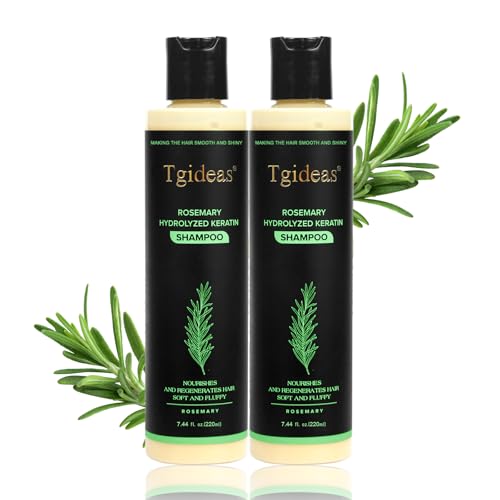
The primary limitation regarding health concerns is a lack of transparency. The manufacturer lists ingredients such as rosemary, biotin, keratin, and other components, but a complete and current ingredient list specific to the marketplace shampoo could not be located. This absence hinders a reliable assessment of surfactants, preservatives, fragrance ingredients, and possible allergens. Rosemary oil and fragrance may pose risks for individuals susceptible to scalp irritation or allergic contact reactions. Additionally, there is no evidence of independent testing on the finished product, such as patch tests, preservative challenge tests, or adverse event reports. The brand claims that the product is sulfate-free, paraben-free, cruelty-free, and GMO-free. However, no publicly available certification or independent testing confirmation supports these claims. There is also no documentation regarding biodegradability, aquatic toxicity, recycled content, refill options, or U.S. recycling pathways. Information about packaging materials, resin codes, and bottle weight has not been publicly verified. While no specific recalls or warning letters from the FDA related to the product were found, the language used in the listing—describing hair growth and anti-dandruff benefits—exceeds typical cosmetic claims and suggests additional therapeutic or medicinal intent.
This product is ideal for adults looking for a standard rinse-off shampoo for temporary cleansing, styling assistance, and a fuller appearance, rather than a medically approved hair loss treatment. It may be suitable for individuals who trust the manufacturer’s claims about rosemary, biotin, and keratin, are comfortable with scented botanical products, and prefer a simple washing routine with a brief two-minute contact time. It is most appropriate when concerns involve visible flatness or breakage, and expectations are focused on cosmetic enhancement and regular cleaning.
This product is not suitable for individuals with known sensitivities to fragrances, essential oils, or rosemary, as the brand notes the presence of rosemary leaf oil and an herbal scent. However, a complete ingredient list for this specific item could not be found. Additionally, it should not be used as a replacement for medical evaluation of sudden hair shedding, patchy hair loss, scalp pain, chronic dandruff, rashes, postpartum hair loss, or suspected androgenetic alopecia. Those in need of fragrance-free products, verified cruelty-free certifications, full disclosure of allergens, lot-specific quality evidence, or clinically tested hair regrowth solutions should be aware that this product does not publicly provide such documentation.