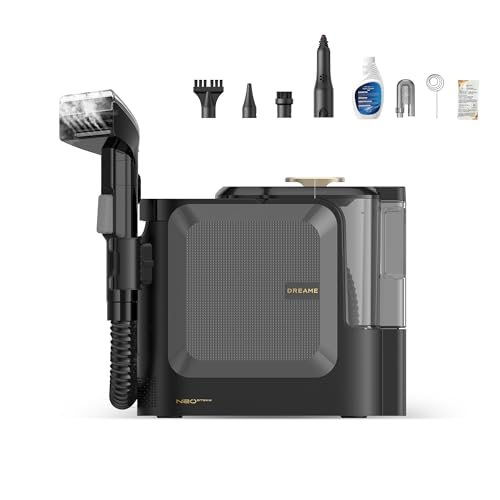
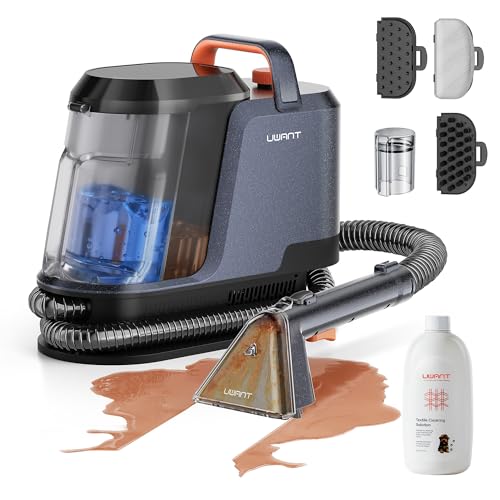
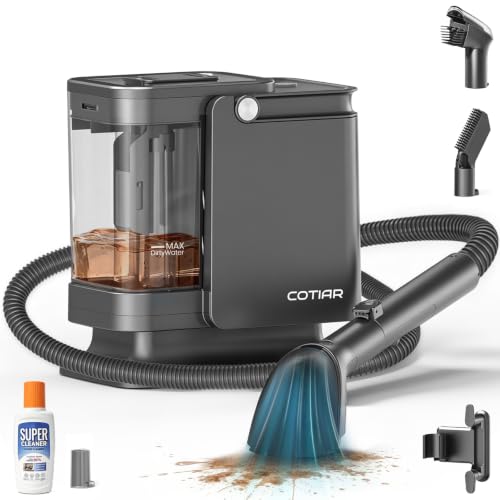
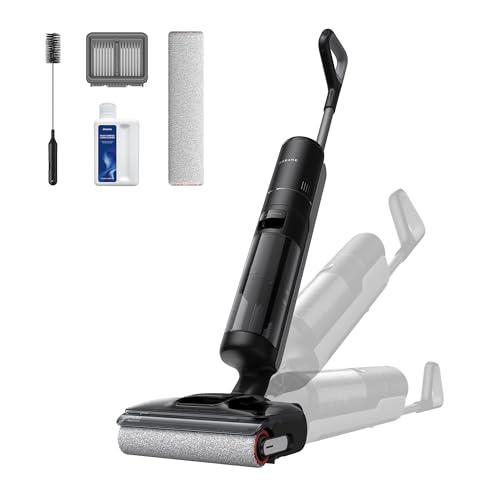
Dreame N20 Steam Carpet & Upholstery Cleaner
Effective steam and hot water cleaning.
Powerful 17Kpa suction for deep cleaning.
Convenient auto-mix solution feature.
We compared the top Upholstery Cleaner Machines products so you can quickly spot the strongest options for value, features, and everyday performance.
Effective steam and hot water cleaning.
Powerful 17Kpa suction for deep cleaning.
Convenient auto-mix solution feature.
Effective on tough pet stains and odors.
Comes with four versatile attachments.
Compact and easy to store.
Powerful 14Kpa suction for deep cleaning.
UV-C light effectively targets allergens and bacteria.
High heating tech enhances dust and hair removal.
Powerful 15Kpa suction for deep cleaning.
UV-C light helps eliminate dust mites.
Smart dust sensor detects hidden dirt.
Powerful suction for deep cleaning.
UV-C light kills bacteria effectively.
HEPA filter captures fine particles.
Effective self-cleaning stain removal tool.
Portable design for easy handling.
Specialized pet hair removal tool included.
Strong 18Kpa suction for deep cleaning.
Portable design for easy maneuverability.
Self-cleaning feature simplifies maintenance.
Powerful 450W motor for effective cleaning.
Compact design for easy portability.
Versatile use on various fabric surfaces.
Powerful 18Kpa suction for deep cleaning.
Integrated steam function tackles tough stains.
Compact design ensures easy portability.
Powerful 15Kpa suction for effective cleaning.
Versatile tools ideal for pet hair removal.
Compact design for easy storage and transport.
Upholstery cleaning machines typically fall into two main categories. Wet extractors apply water combined with cleaning solutions to agitate fabrics and then extract the dirty liquid into a separate tank. Dry vacuum cleaners, on the other hand, remove loose debris without using water. Some wet extractors also offer hot water or steam functions, but these modes introduce additional concerns regarding potential burns, electrical safety, fabric damage, and drying times.
The primary factor in choosing a machine is the cleaning task. Dry vacuums cannot rinse spills, remove water-based stains, or extract liquids. Wet extractors are better suited for spot cleaning spills and stains on water-safe fabrics, rugs, stairs, car seats, and pet areas. However, improper use—such as over-wetting or skipping final passes—can cause excessive moisture or damage. Always check the upholstery’s care label, test a hidden area for colorfastness, and avoid assuming that a carpet-cleaning machine is safe for all textiles.
Suction power ratings, such as 14, 15, 16, or 18 kPa, and claims like 17,000 or 18,000 Pa, describe the vacuum’s pressure or suction capability but do not guarantee effective stain removal, fabric safety, or fast drying. Likewise, high wattage figures do not necessarily equate to better extraction performance. More meaningful evidence comes from documented cleaning results, including improvements in surface appearance, residual moisture levels, and fabric safety under standardized testing methods. The Carpet and Rug Institute’s standards—SOA-E-600 (cleaning effectiveness), SOA-E-601 (appearance change), and SOA-E-602 (residual moisture)—are relevant benchmarks. Independent lab reports that specify the exact model and test conditions can also be helpful.
Moisture management depends on more than suction alone. Look for features such as separate clean and dirty tanks, tank fill limits or automatic shutoff when tanks are full, accessible seals and filters, hose-flushing instructions, and clear guidance on performing suction-only passes after spraying. Proper drying—within 24 to 48 hours—is essential, especially for wet carpets and backing. While self-cleaning cycles can help flush hoses or brushes, they do not replace the need to empty, rinse, and air-dry tanks and tools regularly.
Chemical transparency is crucial, particularly if the machine requires or includes cleaning formulas. Prefer products with disclosed ingredients, current safety data sheets (SDS), and clear instructions for dilution and handling. Verification through EPA’s Safer Choice program can indicate safer formulations; however, Safer Choice status is not equivalent to vague claims like “non-toxic,” “natural,” or “eco-friendly.” If the cleaning solution contains irritants, fragrances, preservatives, hydrogen peroxide, or hazardous aquatic classifications, users should follow label instructions, avoid splashes, maintain good ventilation, and store concentrates securely away from children and pets.
Electrical and thermal safety verification is essential. Check if the specific model is listed by reputable third-party safety organizations such as UL Solutions (Product iQ), Intertek (ETL), or CSA. A grounded or polarized plug, warning labels, or seller-provided safety information are helpful but do not substitute for proper safety certification. Be especially cautious if a product’s documentation indicates 220–240 V or European/UK standards but it is marketed for U.S. use. Hot water or steam functions require caution due to burn risks and fabric sensitivity, along with appropriate testing on a small fabric area first.
Finally, confirm whether the manufacturer offers replacement parts—such as tanks, hoses, seals, brushes, filters, or pumps—and provides clear warranty information. Having washable components facilitates maintenance, but repairability ultimately depends on the availability of spare parts and detailed instructions. Claims about disinfecting, germ-killing, allergen removal, or odor elimination should be viewed skeptically unless supported by detailed testing conditions, target organisms or substances, contact times, and any relevant EPA registrations or labels.
Overall, common concerns across the products include the lack of independent model-specific cleaning and drying tests, undisclosed or incomplete solution ingredient lists, and missing verification of U.S. electrical safety standards. Wet cleaning systems require diligent maintenance of tanks, hoses, and tools, along with prompt drying. Steam or hot-water units carry additional risks of burns and fabric damage. One manual explicitly specified 220–240 V with UK warnings, highlighting the importance of verifying actual voltage and certification upon purchase rather than relying solely on marketplace listings. No overarching contraindications were identified beyond these chemical, moisture, electrical, and safety considerations.

These topics differentiate a machine's effective cleaning capabilities from its potential exposure risks, resource consumption, durability, and the quality of evidence supporting its claims. The scores are based on provided reviews; a higher score signifies more robust documented performance in that area, but does not guarantee optimal results for every fabric type or cleaning task.
This metric assesses whether a bundled or mandatory solution discloses ingredients and potential hazards, as well as provides safety instructions for use. It is important because wet extractors can spray or leave cleaning agents on upholstery. Products with higher scores typically featured ingredient disclosures or safety data sheets, while those with lower scores lacked documented formulas, leaving concerns about irritants, sensitizers, and aquatic exposure unanswered.
This assessment evaluates liquid recovery, residual moisture evidence, and drying guidance. It is important because wet upholstery, carpet, and backing can stay damp after extraction. The scores provided ranged from 70 to 88: the highest-rated product received an excellent rating for solution recovery based on independent testing, whereas lower-scoring products primarily depended on suction claims or user drying methods, without specific moisture results from tested models.
This assessment evaluates protection against electrical shock, overheating, burns, fire, and water ingress to electrical components. It also requires a valid third-party U.S. certification specific to the model. The score is weighted higher because steam and hot-water machines pose additional heat-related risks. Typically, higher scores ranged from approximately 72 to 74 when precautions were properly documented. Lower scores indicated the absence of safety listings, voltage discrepancies, or unverified safety claims by the manufacturer.
This evaluates the integrity of tank seals, hoses, and connectors, as well as overflow controls and access for cleaning. It is important because leaks can cause dirty water to spread, leave residues, or bring liquids close to electrical components. Products with higher scores typically feature separate tanks, floats or shutoff mechanisms, fill limit controls, and established cleaning procedures. Conversely, lower-scoring products are characterized by drips, reliance on seals, unclear maintenance instructions, or limited documentation.
This assesses whether claims related to sanitizing, disinfecting, germs, allergens, mites, or odors align with the intended mechanism and any necessary approved labeling. It is important because methods such as extraction, UV light, steam, heat, and fragrances do not automatically qualify as disinfection. Scores showed significant variation: products with limited claims tended to score higher, whereas those making broad health claims without specifying dosage, contact time, target organisms, or independent testing scored lower.
This measure evaluates disclosed ingredients, safety chemistry reviews, and credible environmental claims. It is important because the used solutions often enter wastewater systems, and some formulas contain fragrances, preservatives, surfactants, hydrogen peroxide, or are classified as hazardous to aquatic life. Higher scores indicate more transparent disclosures and fewer identified issues; lower scores suggest missing ingredient or safety information and lack of EPA Safer Choice approval.
This evaluates water consumption, recovery efficiency, energy requirements, dosing, and reliance on disposable accessories. It is important because spot cleaning can save resources compared to larger equipment; however, any wet cleaning process still consumes water, electricity, and cleaning solution. Products that scored higher typically featured specific capacities, reusable tanks, washable filters, or dry operation, while those with lower scores lacked evidence of controlled resource usage.
This assesses the clarity of warranties, availability of replacement parts, and ease of access to hoses, tanks, seals, brushes, filters, and pumps. It is important because a malfunctioning hose or gasket should not automatically render a machine unusable. Higher scores are awarded for documented parts catalogs, replaceable wear components, and longer or more transparent coverage. Lower scores are given when warranties, parts, or repair instructions are unclear.
This assesses the actual performance of the models in terms of soil and stain removal, residual moisture, surface appearance, and potential damage to fabrics or carpets. It is important because suction power and wattage alone do not determine cleaning effectiveness. The scores ranged from 68 to 86; the top-performing product was evaluated using independent colorimeter-based stain testing, whereas many other models lacked any model-specific laboratory or CRI test results.
This assessment determines whether safety, performance, or environmental certifications specify the precise model or formula and are listed in a current independent registry. This is important because self-issued logos and retailer descriptions are hard to verify. The scores generally ranged from 68 to 70, indicating that most products did not have a verified UL, ETL, CSA, CRI, or Safer Choice record for the specific claim.
This assessment evaluates whether claims regarding suction, steam, heat, stain removal, drying, pet mess cleanup, and suitability for various surfaces are specific, well-qualified, and backed by evidence at the model level. Products with higher scores are characterized by clearly defined operating limits and more realistic claims, while those with lower scores tend to make unsupported claims about drying, sanitizing, steam, or stain removal, and often have inconsistent specifications.
The manual provides essential safety instructions for a hot water-using appliance. It emphasizes the need for a grounded outlet, dry hands, unplugging the device before maintenance, storing it indoors, and keeping people and pets away from steam emissions. It also warns about hot surfaces and steam scalding risks and advises stopping use if the appliance is dropped, leaks, shows visible damage, or gets water-immersed. However, the manual for the available model specifies a voltage of 220-240V and includes language indicating European compliance. There is no confirmation of a U.S. third-party electrical certification for this model. Dreame offers a compatible 1,000 mL fabric-cleaning solution that the device automatically doses. However, the product materials do not disclose its ingredients, hazards, or provide an SDS. No EPA Safer Choice certification was found. While steam can reduce the need for additional cleaning agents for some tasks, the manufacturer also claims bacteria removal and sanitization, but specific efficacy details for the model are not accessible. The appliance features washable tanks, filters, brush parts, and a hose-flushing routine, which can help reduce odors and prolong its lifespan, although the availability of replacement parts is unclear.
This product is ideal for households requiring a compact, corded appliance to quickly tackle fresh spills and localized dirt on water-safe upholstery, stairs, small rugs, or vehicle seats. It is best suited for users who are comfortable with routine maintenance, such as emptying the dirty water tank after each use, flushing the hose, drying removable parts, and testing hot water or steam on a hidden fabric area before use. The extended hose and cord make it convenient for situations where maneuvering an upright extractor would be difficult.
This product is not suitable for individuals requiring independently verified stain removal, quick drying times, sanitizing effectiveness, or assurance that it will not affect specific carpet or upholstery fabrics. Do not use steam on unsealed wood, waxed surfaces, delicate stone, thin adhesive-backed carpets, products with animal fur, or fabrics whose care labels specify that water or heat are not allowed. Households with young children, concerns about fire risk, or uncertain electrical compatibility should verify the U.S. voltage and safety certifications before using.
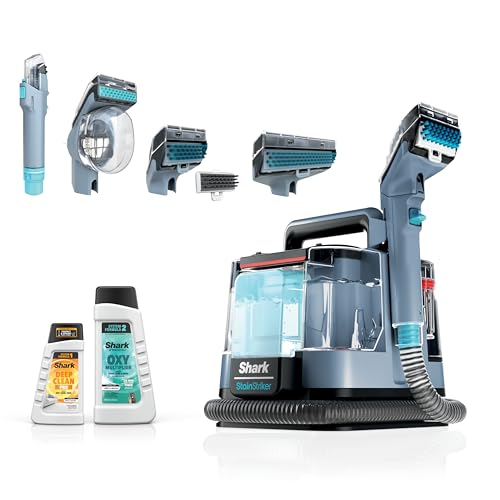
The key health consideration is the chemical composition, not exposure to steam or hot water. The device functions as a room-temperature spot extractor, although the manual recommends filling it with water up to 140°F. Current U.S. safety data sheets from Shark label Deep Clean Pro as an irritant to skin and eyes. OXY Multiplier contains between 3% and 7% hydrogen peroxide along with surfactants, and the safety data sheet advises using gloves, eye protection, ensuring proper ventilation, and preventing the concentrate from contaminating waterways. Ingredient lists and safety data sheets are publicly accessible, which demonstrates transparency. However, the formulas provided are not listed in EPA’s Safer Choice program. The Deep Clean Pro safety sheet also notes that it contains a component classified for chronic aquatic toxicity, although the ecological data for the product as a whole are incomplete. The manual recommends thoroughly emptying and cleaning the device after each use to prevent moisture buildup, odors, bacteria, and mold growth. No recalls or regulatory warnings concerning this product have been identified in U.S. sources examined.
This product is ideal for households requiring a compact, corded machine for quick removal of isolated stains on couches, rugs, carpet edges, stairs, car seats, or pet accidents. It is especially suitable for users prepared to follow a multi-step process, which includes vacuuming loose debris beforehand, properly filling the two tanks, focusing on extraction rather than overspraying, emptying the dirty water tank, and thoroughly drying the tools and device after use. The included wide and narrow attachments make it more practical for small-area tasks rather than large-scale room cleaning.
This product is not suitable for individuals looking for a certified low-toxicity cleaning solution, fragrance-sensitive users who require full disclosure of all proprietary ingredients, or households where concentrated cleaners cannot be safely stored out of reach of children and pets. Additionally, it is not ideal for comprehensive room carpet cleaning or for users who cannot rinse, empty, and air-dry the dirty-water tank and attachments after each use. Those who need independently certified extraction performance or a publicly verified electrical certification should request that documentation before relying on the product.
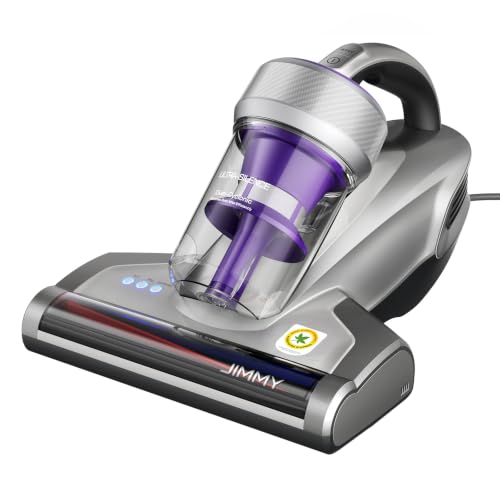
The primary health benefit of this device is its simplicity: it is a dry vacuum, not a liquid extractor. It does not require the use of detergents or water, which minimizes exposure to cleaning solutions and decreases the likelihood that upholstery remains damp after use. The manufacturer’s manual also advises against using it on wet surfaces, recommends thoroughly drying washed filters before reassembling, and advises avoiding direct exposure to UV light. The main caution relates to claims of effectiveness. While marketing materials suggest that the vacuum can reduce allergens, mites, bacteria, and utilize UV for health benefits, there is no independent evidence or EPA registration to verify these claims or confirm any public health advantages. EPA and FTC guidelines highlight the importance of proper evidence to support UV and antimicrobial claims. From a resource perspective, the bagless design and washable, replaceable filters may help reduce waste associated with disposable vacuum bags. However, there is no available verified parts catalog, U.S. warranty documentation, or independent electrical safety certification for this product.
This product is ideal for individuals seeking a dedicated dry vacuum for regular removal of debris from mattresses, pillows, upholstered sofas, pet beds, or fabric-covered cushions. Its corded design is suitable for users who work near an outlet and prefer not to deal with charging. It is also well-suited for environments where avoiding moisture and cleaning chemicals is important, such as routine dry maintenance of bedding or upholstery. The washable filter and bagless dust container make it convenient for households willing to empty debris and ensure the components dry thoroughly.
This product is not suitable for households that need to clean upholstery, handle liquid spills, extract shampoo, or speed up drying after wet cleaning. It is also not ideal for those looking to sanitize fabrics, eliminate mites, prevent illness, or significantly reduce allergy symptoms, as there is no independent, model-specific evidence supporting these claims. Individuals concerned about UV exposure should not rely solely on marketing claims and should follow the safety instructions provided for the lamp. Buyers requiring a verified U.S. UL, ETL, or CSA certification should select a product with an exact model listed in the official registry of that certifying organization.
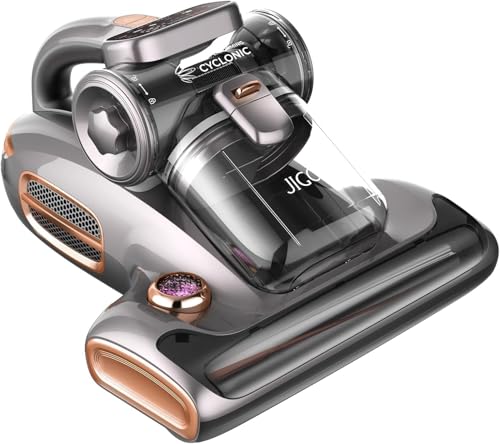
The dry cleaning method offers the clearest health benefit by avoiding the use of cleaning liquids, preventing moisture from entering mattresses or upholstery, and eliminating concerns related to damp backing and slow drying associated with wet extraction. The manual advises users to keep the device dry, unplug it before cleaning, avoid direct exposure to the UV lamp, and operate it flat to ensure the UV interlock functions properly. JIGOO promotes its aroma capsules as non-toxic and natural but does not disclose their ingredients or provide a safety data sheet. Additionally, there is no EPA Safer Choice certification available for these products. Fragrance use is optional and can be skipped. The manufacturer offers replacement steel filters and roller brushes, along with a 24-month warranty for direct purchases, potentially extending the product’s lifespan. However, there is no independent certification record confirming the ETL claim, and no recalls or CPSC warnings related to this product have been identified.
This product is ideal for individuals looking for a dry, corded tool to regularly remove surface debris from mattresses, fabric sofas, or upholstered pet areas, particularly when adding water is not preferable. It is best suited for users comfortable handling a 2.3 kg handheld device, with nearby power outlets, and willing to empty the collection cup and thoroughly dry the filters before reuse. Additionally, it appeals to those who prefer the option to purchase replacement rollers and steel filters from the manufacturer, rather than relying on a sealed, disposable design.
This device is not suitable for buyers seeking a genuine upholstery-cleaning machine for spills, stains, pet urine, or embedded liquids. It does not dispense cleaning solutions or recover water. Individuals with fragrance sensitivities, asthma triggered by scents, or those who prefer full disclosure of chemical ingredients should avoid using the included aroma capsules, as the ingredients and safety information are not available. Additionally, it should not be relied upon for disinfecting or allergy relief, as there is no independent evidence specific to this model supporting those claims.
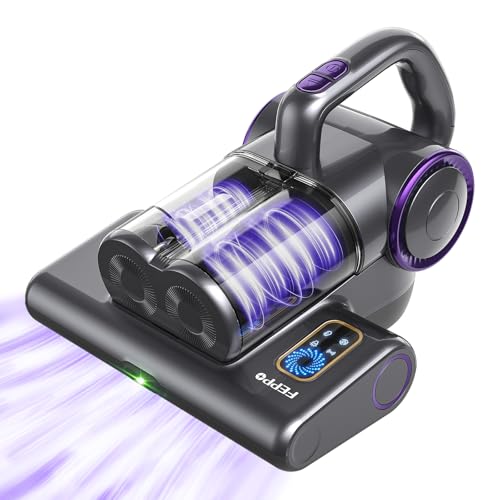
The key health benefit of this product is its dry cleaning approach. It does not require or include any cleaning solutions, helping users avoid exposure to cleaning chemicals and preventing excessive moisture in the fabric from water extraction. According to FEPPO’s instructions, users should keep the appliance dry, avoid wet surfaces, regularly empty the collection cup, clean or replace the filter, and remove debris from the brush. These steps are important because buildup of dust or a clogged filter can decrease cleaning performance and lead to odors. However, there are some important limitations. The manufacturer highlights features such as UV-C light, ultrasonic waves, warm air, and benefits against germs, mites, allergens, and odors. Yet, no specific dosage information or independent efficacy studies have been provided to substantiate these claims. The EPA notes that UV devices claiming antimicrobial effects are classified as pesticide devices and are not routinely evaluated by EPA for safety or effectiveness before being sold. No specific recalls or warnings related to this product were found in the Consumer Product Safety Commission (CPSC) database. FEPPO offers a one-year warranty, but there is no available catalog for replacement parts or evidence of independent repairability. Additionally, the need for periodic filter replacements results in ongoing waste generation.
This product is ideal for individuals seeking a compact, dry-only cleaning tool for occasional removal of visible dust, lint, skin flakes, and loose debris from items such as mattresses, pillows, crib mattresses, or flat sofa cushions. It is best suited for households that do not require stain or spill treatment and prefer to avoid using water or detergents on fabrics. Featuring a 3.8-pound body, a wide suction port, a removable cup, and corded power, it is designed for quick, room-by-room cleaning sessions near standard electrical outlets.
This product is not suitable for buyers looking for a genuine upholstery cleaning solution for drink spills, urine, stains, odor removal, or any tasks involving cleaning solutions and water extraction. It is also not ideal for households that depend on proven allergen reduction methods, verified HEPA sealing systems, or certified electrical safety standards. Do not view its UV-C, ultrasonic, or warm-air features as a replacement for laundering bedding, using allergen-proof covers, consulting medical advice, or following established infection-control cleaning protocols. Additionally, avoid using it on wet fabrics, long-fluff materials, fine hair, or surfaces heavily laden with pet hair.
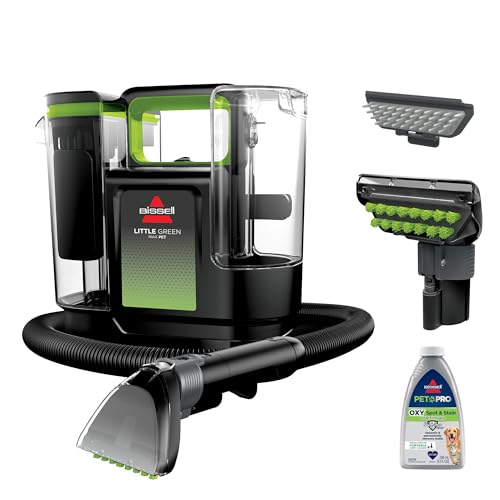
The machine operates using warm tap water rather than steam. BISSELL limits the water temperature to 140°F to prevent the tank from deforming due to excessively hot water. The manufacturer's support guidelines include unplugging the machine before performing maintenance, keeping the dirty tank below its maximum fill line, inspecting gaskets and hoses for wear, and drying tank components thoroughly before reassembling. No recall notices or safety warnings from the CPSC specific to this product were found in the examined U.S. sources. The compatible Little Green Pet Oxy Spot & Stain Free & Clear formula has a Safety Data Sheet (SDS) provided by the manufacturer. It contains hydrogen peroxide at no more than 3 percent and C9-C11 alcohol ethoxylates at no more than 2 percent. The SDS classifies the product as an eye irritant and reports zero percent volatile organic compounds (VOCs). It states that the formula is not classified as an acute or chronic aquatic hazard. However, no EPA Safer Choice certification was found for the tested compatible formulas. The use of these formulas, along with the plastic tanks and powered extraction system, involves ongoing material and electricity inputs.
This product is ideal for individuals dealing with occasional, localized spills on washable carpets, low-pile rugs, upholstery, pet beds, stairs, or vehicle seats. It is especially useful when carrying a full-sized extractor is impractical, provided there is access to an electrical outlet. The user should be prepared to vacuum up solids beforehand, measure the cleaning solution at the tank lines, perform multiple spray-and-extract passes, promptly empty the dirty water tank, and rinse the tool and hose after each use. Please note, this is a spot-cleaning device and not designed for deep cleaning entire home carpets.
This product is not suitable for cleaning entire rooms or repeatedly treating large, heavily soiled areas, as the 32-ounce tanks need refilling and its moisture performance has not been independently verified. Do not use it on fabrics labeled S or X, silk, delicate rugs, or any textiles that restrict water-based cleaning. Houses with children, pets, or individuals sensitive to eye irritation should store the compatible cleaning solution safely and avoid splashes. Those who require a device with a confirmed electrical safety certification or independently verified extraction performance will need more documentation than is provided here.
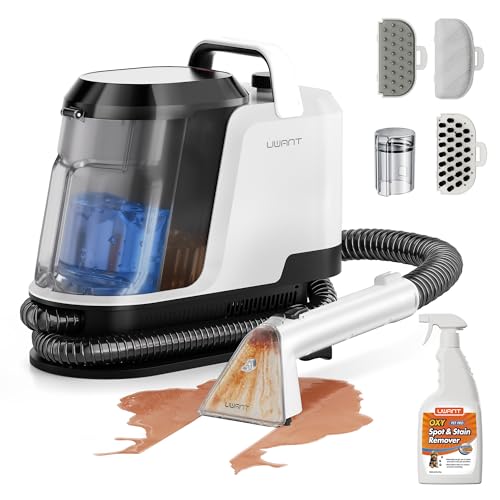
The Y100 operates using room-temperature water instead of steam or hot water modes, which eliminates the burn risk associated with heated extractors. However, it was not found listed in the certification registers of UL, Intertek ETL, CSA, or the Carpet and Rug Institute. Additionally, there are no recalls or regulatory warnings specific to this product noted in CPSC sources; however, this does not constitute independent safety certification. The included OXY cleaning solution presents an unknown exposure risk. The manufacturer describes it as a pet-safe cleaning solution but does not publicly provide an ingredient list or safety data sheet on the product or solution pages. While the reusable tank, hose, brush heads, and self-cleaning accessory help reduce disposable waste, there is no disclosed information on water usage, residual moisture levels, repair parts, or certification for safer chemistry. It remains important to promptly empty dirty water and fully dry textiles to prevent moisture-related issues.
This product is ideal for households requiring a compact, corded device for quick cleanups of isolated food spills, muddy paw prints, occasional pet accidents, sofa stains, or car seat messes. Equipped with 40.6-ounce tanks and a 5.25-foot hose, it is designed for small to medium spot cleaning rather than large-area carpet cleaning. It is also suitable for users who are comfortable emptying and rinsing the dirty-water tank after each use, running the self-cleaning cycle, and using fans or ventilation to dry the cleaned fabric if necessary.
This product is not suitable for entire-home carpet extraction, flood cleanup, heavily soaked carpet padding, or large areas with persistent pet messes. These situations require proven recovery performance and a specific drying plan, as damp carpet and backing should be dried within 24 to 48 hours. Households sensitive to fragrances or chemicals should also be cautious, as the bundled OXY solution cannot be assumed to have low exposure levels, due to the absence of a publicly available ingredient disclosure and safety data sheet. If third-party electrical certification is necessary, select a product with a verified electrical listing.
The product is a wet extractor, not a steam cleaner or disinfectant device. Its manual specifies the use of water with optional low-foam detergent, advises users not to spray liquid directly onto electrical equipment, and recommends unplugging the device before performing maintenance. Features such as separate water tanks, a removable dirty-water float assembly, and instructions to wash and thoroughly dry components can help minimize retained dirty water and odors if properly followed. However, there are no independent, model-specific residual-moisture tests available, so drying times and mold risk management depend on the user's diligence. Limited chemical and environmental information is available. No bundled cleaning formulas, ingredient disclosures, safety data sheets, or EPA Safer Choice certifications were found. The manual indicates a 1.8-liter water tank and reusable, washable components like the tank and brushes, which are practical for targeted spot cleaning. However, there is no data on water consumption, energy use, or device durability. The manual also specifies an input voltage of 220 to 240 V and includes UK safety warnings. No U.S. electrical certification for this specific product has been identified, which should be addressed before using it in the United States.
This product is suitable for users who occasionally need to clean small, wet-cleanable fabric spills and are willing to follow manual cleaning and drying procedures. It features separate 1.8 L tanks for clean water and 0.6 L tanks for dirty water, designed for spot cleaning rather than entire-room extraction. The unit is most appropriate only if the voltage label, plug, and electrical certification have been verified and confirmed compatible with the local power outlet. Users should also be prepared to choose a low-foam upholstery detergent and test it on a small, inconspicuous area of the fabric beforehand.
This product is not suitable for anyone who has not first confirmed that it is rated and certified for standard U.S. household electricity. The manual provided indicates an input voltage of 220 to 240 V and contains UK-specific warnings, so do not assume a U.S. configuration based solely on the marketplace. Additionally, it is not well-suited for cleaning wall-to-wall carpets, water-sensitive textiles, valuable upholstery without a cleaning label, or damp areas where independently tested residual moisture performance is required. Households seeking verified sanitizing or allergen reduction should not assume these benefits are achieved through extraction alone.
The primary health concern is related to the quality of evidence rather than a documented recall or regulatory warning. No specific U.S. electrical safety listing for the model, records from the Carpet and Rug Institute, EPA Safer Choice certification, or CPSC recall information were found in the publicly available sources reviewed. The manual offers reasonable safety precautions, such as using a grounded outlet, unplugging the device before servicing, avoiding water exposure, keeping it away from flammable liquids, and testing materials sensitive to heat or moisture. Although the product is promoted with steam-sanitization claims, available public information does not include microbiological testing results, specific treatment conditions, or a label indicating the use of registered antimicrobial products. It is best to regard steam as a cleaning aid rather than a verified health-protection method. The manual advises rinsing and air-drying tanks and tools to reduce residue buildup, but it does not specify residual moisture levels or recommended drying times. According to EPA guidance, damp carpet and backing should be dried within 24 to 48 hours to prevent mold growth. Additionally, the chemical ingredients and safety data sheets were not available, making it difficult to assess the chemical safety and environmental impact of the product.
This product is ideal for households requiring a portable device to handle small, fresh spills on removable cushions, stairs, car seats, rugs, or limited carpeted spaces. It is best suited for users who are willing to follow the instructions carefully, such as testing delicate fabrics beforehand, ensuring tanks and hose connections are securely seated, performing thorough extractions, and rinsing and drying the machine after each use. Its design with separate tanks and a flexible hose makes it well-suited for targeted cleaning tasks rather than cleaning entire rooms or large carpeted areas.
This product is not ideal for individuals who require independently verified extraction efficiency, documented drying outcomes, or a traceable U.S. electrical safety certification prior to using a steam appliance in their home. It is also not suitable for water-damaged carpets, heavily soaked padding, mold issues, or users who cannot quickly dry the cleaned area using ventilation, fans, or dehumidifiers. Additionally, households with delicate or heat-sensitive upholstery should be cautious and avoid relying on general compatibility claims without consulting the fabric manufacturer and conducting a test patch first.
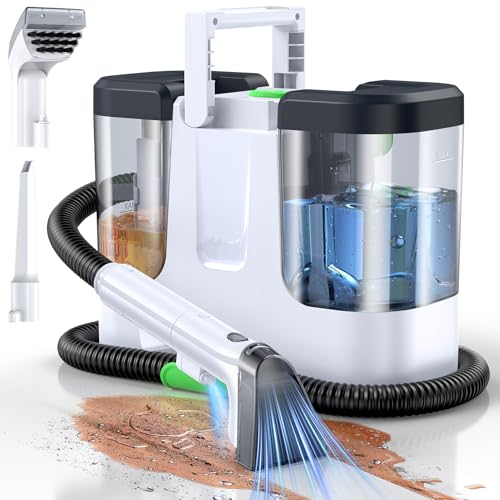
The machine operates using cool water instead of steam. The manual restricts the water temperature to 40°C and provides safety instructions to prevent shocks, such as using the polarized plug and avoiding use with a damaged cord. It also recommends emptying the dirty water tank when it reaches the maximum fill line, cleaning the hose and filter grille, and drying the tanks before storing the unit. These precautions are important because leftover dirty water and residual moisture can lead to odors and dampness issues. Vacmaster provides an ingredient list and safety data sheets for its cleaning solutions, offering greater transparency compared to undisclosed cleaners. The formulation includes surfactants, a glycol ether solvent, and benzisothiazolinone as a preservative. The preservative may be relevant for sensitive users, even at low concentrations. There is no EPA Safer Choice certification for this formula, nor are there any independent environmental or performance certifications specific to this model. Additionally, no recalls or safety warnings from the CPSC for this exact product have been found in U.S. sources reviewed.
This product is ideal for households that require a compact, plug-in device for quick cleanup of small spills on couches, rugs, carpeted stairs, pet zones, or car seats. Its individual tanks, six-foot hose, and handheld tool enable targeted cleaning in areas where transporting a full-sized carpet cleaner would be impractical. It is also suitable for users who are willing to follow the maintenance procedures, such as emptying dirty liquid at the maximum fill line, rinsing the hose, cleaning the filter grill, and allowing the fabric to fully dry after extraction.
This device is not ideal for cleaning entire rooms, large upholstered areas, or for frequent commercial cleaning tasks. Its 1.6-liter clean water tank and spot-cleaning tool design require frequent refilling and emptying during larger jobs. Additionally, it is not suitable for users who need independently verified results for drying, soil removal, carpet safety, or electrical certification before use. Individuals with sensitivities to fragrances, preservatives, or cleaning chemicals should check the specific formula in the included bottle before use and should not assume it is a low-exposure or fragrance-free product.