Lunakai Vitamin D3 Gummies 2000 IU
Made in USA for quality assurance.
Delicious taste encourages daily intake.
Supports bone, immune, and energy health.
We compared the top Vitamin D Gummies products so you can quickly spot the strongest options for value, features, and everyday performance.
Made in USA for quality assurance.
Delicious taste encourages daily intake.
Supports bone, immune, and energy health.
Combines essential nutrients for comprehensive health support.
Sugar-free formula suitable for vegan diets.
High potency with 10,000 IU Vitamin D3.
Delicious taste makes daily intake enjoyable.
Combines Vitamin D3 and K2 for synergy.
Vegan-friendly formula appeals to plant-based diets.
High absorption for effective vitamin D intake.
Vegetarian and gelatin-free for dietary preferences.
Suitable for both kids and adults.
Made with real fruit, no added sugar.
Organic and vegan-friendly ingredients.
Supports healthy bones and immunity.
High potency for effective daily supplementation.
Supports bone health and energy levels.
Vegan-friendly formula with delicious taste.
Combines Vitamin D3, K2, and Calcium for comprehensive support.
Enhanced absorption with coconut oil infusion.
Vegan-friendly formula for diverse dietary preferences.
Vegan, non-GMO, and gluten-free formula.
Contains vitamins D3 and K2 for better absorption.
Tasty gummies make daily intake enjoyable.
Organic and vegan-friendly formula for all ages.
Supports immune, bone, and muscle health.
Convenient two-month supply with 60 gummies.
Comprehensive blend supports bone and immune health.
Sugar-free formula ideal for health-conscious families.
Includes essential nutrients for kids' growth and focus.
Vitamin D gummies are chewable supplements designed to supply vitamin D when dietary intake, sun exposure, or a healthcare professional's assessment suggests supplementation is beneficial. Most products reviewed contain vitamin D3 (cholecalciferol), though one uses vitamin D2. The main approved benefit across this category is aiding calcium absorption and maintaining healthy bones. Claims related to immunity, mood, energy, heart health, focus, arterial health, weight management, or "high absorption" require more specific evidence than what a vitamin D label alone can provide.
Key Points to Review:
- Dosage and Intended Users:
Check the actual daily dose and the recommended user group. Serving sizes vary, commonly 1 to 4 gummies, with the total amount often listed per serving rather than per gummy. Daily doses in products range from 1,000 IU to 10,000 IU. The adult upper safe limit is generally 4,000 IU daily; children’s limits are lower and depend on age. Remember to include vitamin D from all sources—fortified foods, multivitamins, and other supplements—not just the label’s headline number. For products combining vitamin D with other nutrients like calcium, vitamin A, magnesium, zinc, vitamin K, B12, or botanicals, check the total dose to ensure it doesn’t exceed safe levels.
- Label Details:
A complete label should specify the form of vitamin D (D2 or D3), amount per serving, suggested usage by age, active and inactive ingredients, sweeteners, acids, colors, flavorings, allergens, and whether gelatin or pectin is used. “Sugar-free” labels might still contain sugar alcohols or alternative sweeteners. Be aware that added sugars contribute to dental health concerns. When calcium is listed, verify whether the amount refers to calcium citrate weight or elemental calcium, which impacts how much calcium you’re actually consuming.
- Testing and Certification:
Claims about testing are not equivalent to verified quality. The strongest verification is a current, lot-specific certificate of analysis from an ISO/IEC 17025-accredited laboratory, indicating the actual amounts of vitamin D and other ingredients at the time of testing, including expiry. Finished gummies should also be tested for contaminants and microbial safety within acceptable limits. Generic statements like “third-party tested” or “GMP certified” are less conclusive. Independent certifications such as USP Verified, NSF Certified Dietary Supplements, or NSF Certified for Sport provide stronger assurance, especially if the product matches listings in these programs. While Clean Label Project and IGEN certifications can offer useful insights, they do not guarantee potency throughout the product’s shelf life.
- Additional Considerations:
Always review directions for use, storage instructions, tamper-evident packaging, manufacturer contact info, lot number, and expiration date. Environmental claims should specify details about packaging, recycled content, or recycling instructions rather than vague terms like “eco-friendly” or “plant-based.” Claims about donation programs or offsets do not directly relate to a lower environmental impact.
Cautions and Recommendations:
- Be cautious with high-dose vitamin D products exceeding 4,000 IU daily.
- Avoid vitamin K products if you are on blood thinners like warfarin unless advised by a healthcare professional.
- Consult a healthcare provider before use if you have kidney disease, hypercalcemia, kidney stones, sarcoidosis, are pregnant or breastfeeding, or are taking medications affecting vitamin D or calcium.
- Directions for children are sometimes inconsistent or incomplete.
- Some products lack full Supplement Facts labels or clear warnings.
- Gummies containing sugar, acids, sugar alcohols, or poorly disclosed sweeteners should be used with caution to dental and gastrointestinal health.
- These supplements are not substitutes for medical evaluation or treatment of vitamin D deficiency, abnormal calcium levels, osteoporosis, or related health conditions.

These topics highlight the key health, evidence, and environmental considerations relevant to vitamin D gummies. Scores are relative to the products provided: higher scores denote stronger supporting documentation or a more appropriate formulation for that topic, whereas lower scores point to potential gaps in information or safety.
This assesses whether the product’s benefits related to bone health, calcium absorption, or deficiency support align with its specific vitamin D form, dosage, target age group, and additional ingredients. The most well-supported claim pertains to vitamin D’s role in calcium absorption. Products with clearly labeled, realistic formulations, such as MaryRuth’s 1,000 IU offerings, received the highest scores (84), while products with broader or less precise claims and incomplete dosing information received lower scores, reducing overall confidence.
This evaluation accounts for the complete daily serving, including nutrients like calcium, vitamin A, magnesium, zinc, vitamin K, and other added ingredients. A high score indicates a well-targeted, conservative dose, whereas a low score suggests unnecessary exposure or amounts close to the upper limits. The scoring system favors moderate-strength products such as MaryRuth’s 1,000 IU gummy, which received a score of 83. In contrast, products containing 5,000–10,000 IU of vitamin D scored in the range of 46–54, as their vitamin D content exceeds the adult upper limit of 4,000 IU.
This assesses whether warnings specifically cover issues related to children, pregnancy, kidney disease, hypercalcemia, kidney stones, and medications like warfarin when vitamin K is included. Vague advice such as "ask a doctor" is less effective than specific cautionary statements. The scores were higher when age recommendations and choking precautions were included; however, many products still achieved only scores in the high 60s or 70s due to incomplete warnings concerning kidney conditions, calcium, and medications.
This assessment examines added sugars, serving sizes, acids, sugar alcohols, and sweetener disclosures. A higher score indicates a lower risk of unnecessary dental, metabolic, and gastrointestinal issues. The top-scoring products were MaryRuth’s D3/K2 calcium gummies (score of 84) and formulas that are low in sugar or sugar-free. Conversely, products with 8 grams of daily sugar or those making conflicting sugar-free claims received lower scores. It's important to note that being labeled sugar-free does not automatically mean the product is free from dental or digestive tradeoffs.
This concerns whether active and inactive ingredients, forms, quantities, flavors, colors, allergens, and gelatin or vegan status are clearly disclosed. This is important because gummies frequently contain multiple nutrients and sweeteners. For example, MaryRuth’s D3+B12 received a score of 86 for its transparent labeling, whereas iMATCHME scored 55 due to an incomplete Supplement Facts panel and missing detailed information on allergens and inactive ingredients.
This assessment evaluates whether the bottle, cap, seal, and shipping presentation reduce material usage and whether claims regarding recycling or recycled content are clear and credible. Most of the products received scores around 70 due to the lack of packaging details. Llama Naturals scored higher at 79, primarily because of documented brand-wide efforts to eliminate plastic. However, this does not confirm that the bottle itself contains recycled materials or is recyclable in local facilities.
This surpasses a simple label claim or generic testing statement: it mandates lot-specific evidence confirming that vitamin D and each declared co-ingredient are present in the specified form and amount throughout the product's shelf life. Since no product provided a publicly available lot-specific potency certificate, scores typically ranged from approximately 68 to 72. Achieving a high score in this area would require an ISO/IEC 17025-accredited laboratory report linked to a specific purchase lot and its expiration date.
This assessment evaluates recent finished-product testing for elemental contaminants, microbial contamination, and undeclared drug ingredients. It is particularly important for gummies, as consumers cannot visually detect these hazards. MaryRuth’s 1,000 IU gummy received a score of 86 and was confirmed by Clean Label Project testing to meet quality standards. In contrast, many other products scored approximately 70–72 based on manufacturer-reported testing, without publicly available finished-product reports.
This evaluates whether the specific finished product—rather than just the factory, brand, or ingredients—appears in a reputable public certification database. The highest scores were awarded to MaryRuth’s organic D3 gummy (88) and its D3/K2 calcium gummy (85), both backed by precise product listings on the Clean Label Project. While Sports Research's IGEN certification verified non-GMO status, it did not assess potency or all safety concerns.
This assessment evaluates whether marketing claims are grounded in human evidence regarding the final product and whether they avoid suggesting disease treatment. Claims related to vitamin D and calcium absorption were generally well-supported. In contrast, claims about "high absorption," arteries, energy, mood, GLP-1, and disease prevention were less reliably substantiated. The scores ranged from 45 for a product making contradictory and broad claims to 81 for a more cautious, evidence-based formulation.
This assessment reviews the Supplement Facts panel, age guidelines, storage instructions, tamper-evidence features, manufacturer contact information, lot number, and expiration date. Products with straightforward, one-gummy or age-specific instructions received higher scores, such as MaryRuth’s D3+B12, which scored 80. The lowest score of 48 was assigned to a children's product that presented a direct contradiction between targeting children and including an “adult use only” warning.
This evaluates whether the responsible brand and manufacturer have a transparent history, with no unresolved recalls, warning letters, or other significant concerns. Most scores ranged from 70 to 74, indicating that no product-specific FDA actions were identified during the review, though limited manufacturing details are publicly available. MaryRuth’s score was adjusted downward due to an unrelated probiotic recall in 2021. Similarly, Bulletproof’s score was affected by an FDA warning letter related to other products.
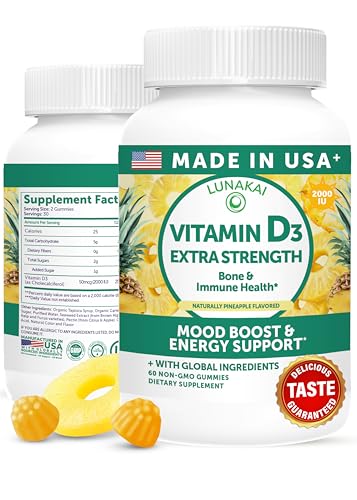
The main health benefit of this product is its simple dosing of vitamin D3. The manufacturer indicates that two gummies provide 50 mcg or 2,000 IU of vitamin D, which supports calcium absorption and bone health as endorsed by authoritative nutrition guidelines. Although this amount is below the adult upper limit, it’s important to consider total daily intake from foods and other supplements. The packaging advises pregnant or nursing individuals, those taking medications, or managing medical conditions to consult a healthcare professional, though more detailed risk information would be helpful. Lunakai states that the product is made in the United States, is vegan, non-GMO, gluten-free, and gelatin-free. The company claims the product undergoes third-party purity testing; however, no publicly available lot-specific certificates or recognized finished-product certifications could be found. Searches did not reveal any FDA recalls or warning letters related to this product or brand, though this does not substitute for independent quality verification. Additionally, there are no verified claims regarding recycled content, recyclability, or reduced packaging for the bottle or its shipping materials.
This product is suitable for adults or teenagers advised to take vitamin D supplements or those who prefer a small, daily dose of vitamin D3 in a chewable form instead of a pill. Its claimed daily serving of 2,000 IU can be convenient for individuals whose overall vitamin D intake has been assessed, especially if they seek support for maintaining normal calcium absorption and bone health. Additionally, it may be ideal for people who avoid gelatin, gluten, soy, peanuts, tree nuts, or shellfish, in accordance with the manufacturer's stated ingredient exclusions.
This product is not a replacement for a professional medical assessment or personalized treatment for confirmed vitamin D deficiency. Individuals with kidney disease, elevated blood calcium levels, sarcoidosis, a history of calcium kidney stones, or other conditions that influence calcium metabolism should consult a healthcare provider before use. The same applies to those taking thiazide diuretics, steroids, orlistat, or certain statins. Additionally, it may not be suitable for households requiring independently verified potency and contaminant testing, or for consumers who need clear information about added sugars.
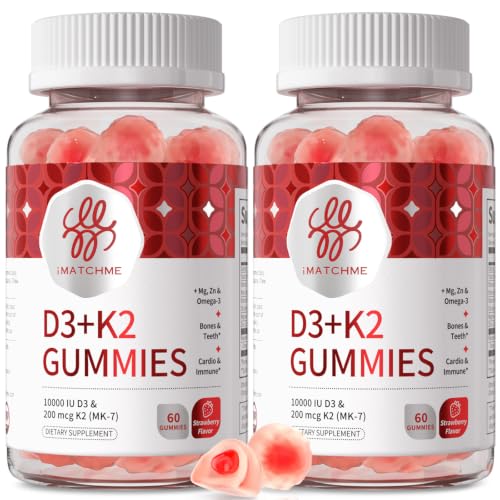
The primary health concern is the dosage. The recommended serving of 10,000 IU of vitamin D3 exceeds the established upper intake level for adults, despite vitamin D's well-known role in calcium absorption and maintaining bone health. Additionally, the presence of vitamin K2 may pose a risk for individuals taking warfarin or other anticoagulants. Although magnesium and zinc are included in modest amounts, the publicly available product page does not feature a comprehensive Supplement Facts panel or a complete list of inactive ingredients. The manufacturer claims that the product is sugar-free, vegan, free of gelatin, gluten-free, non-GMO, and produced without artificial colors. It also states that each batch is third-party tested and manufactured in a GMP-certified facility. However, these claims could not be verified through independent documentation such as lot-specific certificates, laboratory reports, or recognized certification registries. No publicly available records indicate any FDA recalls or warning letters related to this product. Furthermore, there is no evidence regarding packaging materials, recycled content, recycling instructions, or other verified environmental claims.
This product is primarily intended for adults who have been specifically advised by a healthcare professional to follow a high-dose vitamin D regimen, have a documented plan for blood monitoring of vitamin D levels, and prefer a chewable form over capsules. Its sugar-free and vegan formulation, as indicated by the manufacturer, may also be suitable for adults avoiding gelatin or added sugars. Before use, the purchaser should verify the package's serving instructions, expiration date, lot number, complete Supplement Facts panel, and list of inactive ingredients.
This product is not appropriate for children or for daily vitamin D supplementation without supervision. Individuals taking warfarin or other vitamin K antagonists should consult their healthcare provider before starting a 200 mcg vitamin K2 supplement. Pregnant or breastfeeding women, as well as those with kidney disease, hypercalcemia, hyperparathyroidism, sarcoidosis, a history of kidney stones, or current use of vitamin D-containing products, require personalized medical advice. People with food allergies or sensitivities to sugar alcohols should select a product that clearly lists all ingredients.
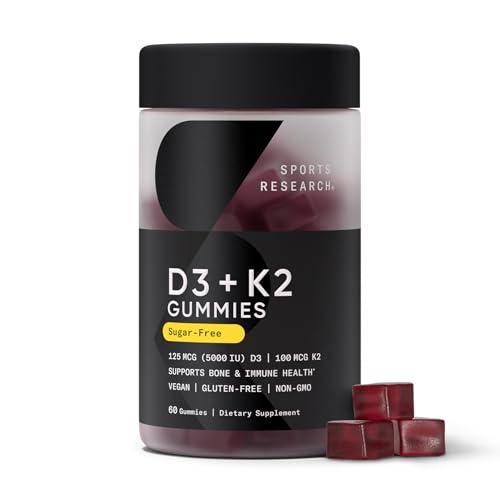
The most definitive independent quality verification is the product's active IGEN certification, which confirms testing for the panel of genetically engineered GMO proteins and genes in the product. Sports Research states that their gummies are vegan, gluten-free, sugar-free, sugar alcohol-free, third-party tested, and produced in a cGMP-compliant facility. The public formula lists pectin instead of gelatin, along with allulose and inulin syrup. However, available certification and testing records for this product do not include detailed information such as lot-specific potency, metal levels, or microbiological analysis. Researching FDA recall and warning-letter databases revealed no recalls, safety alerts, or warning notices related to this product or Sports Research regarding these gummies. The product is packaged in a plastic bottle, but there are no verified claims regarding recycled content, recyclability, refillability, or reduced packaging. Therefore, the recyclability of the bottle and cap cannot be confirmed.
This product is suitable for adults who have been advised by a healthcare professional to take a high dose of vitamin D, such as 5,000 IU daily, and prefer a vegan, chewable form over a softgel. It may also be appropriate for individuals avoiding gelatin, added sugars, and sugar alcohols. The bottle contains 60 gummies, providing a 30-day supply based on a two-gummy daily dose. Due to the high dosage, this product is best used under medical supervision, with monitoring of total vitamin D intake and blood levels rather than usage based on assumption.
This is not a typical option for children or adults looking for a conservative maintenance dose, as a single daily serving surpasses the recommended upper intake level of vitamin D for adults. Individuals taking warfarin or other anticoagulants sensitive to vitamin K should not begin using it without consulting their healthcare provider managing their anticoagulation therapy. Those with kidney disease, a history of kidney stones, hypercalcemia, sarcoidosis, pregnancy, breastfeeding, or who are using thiazide diuretics should seek personalized medical advice before using this high-dose supplement.
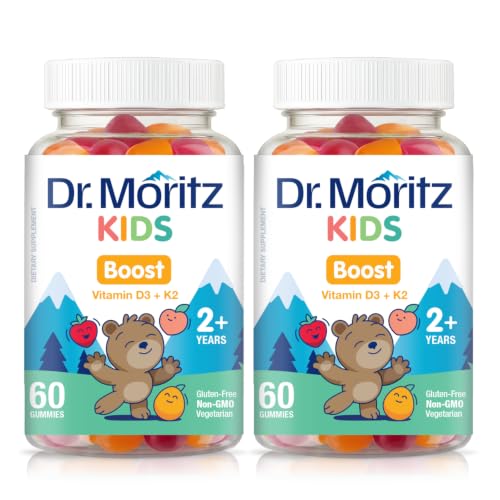
The product's key health-related strengths include a clearly identified form of vitamin D—cholecalciferol—along with an MK-7 K2 declaration. It offers both one- and two-gummy serving options. Vitamin D aids in calcium absorption, and the recommended doses are below age-specific upper limits when overall vitamin D intake is not already elevated. However, the older-user serving adds 4 grams of sugar daily, and the formula contains citric acid. It is advisable to brush teeth after consumption and to avoid frequent gummy intake. The manufacturer claims that every batch undergoes independent testing for lead, mercury, arsenic, and cadmium. These statements are based on manufacturer reports only, as specific batch reports and details about the testing laboratory were not publicly accessible. No certifications from USP or NSF for the finished product could be found. Additionally, no relevant FDA recalls, warning letters, safety alerts, or health-fraud notices are present in available U.S. public records. The packaging appears to be a standard plastic bottle with a closure, and there are no verified claims of recycled content or recycling practices.
This product is suitable for households looking for a chewable vitamin D supplement for children aged 2 and older, as well as adults who can follow the clearly marked serving instructions. The label indicates a dosage of 1,000 IU for children ages 2 to 3 and 2,000 IU for those aged 4 and above, both within the recommended upper intake limits when taken alone. It is particularly convenient for individuals needing a gelatin-free, pectin-based option and who do not already obtain significant vitamin D from multivitamins, fortified foods, or other supplements.
This is not an appropriate self-guided option for anyone on warfarin, Coumadin, or other vitamin K-sensitive blood thinners, as it contains MK-7 vitamin K2, and changes in intake can affect their anticoagulant effect. Individuals with kidney disease, hypercalcemia, a history of kidney stones, sarcoidosis, or those following a vitamin D regimen managed by a healthcare provider should seek personalized advice. Additionally, it is not suitable for households avoiding added sugars, people who require verified lot-specific potency and contaminant testing, or children under the age of 2, as they fall outside the recommended age range.
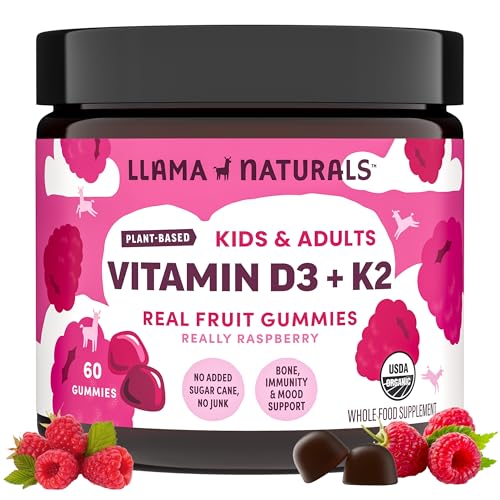
The key health benefits of this product include its transparent inclusion of lichen-derived vitamin D3, vitamin K2 as MK-7, a vegan pectin gummy base, and a simple ingredient list primarily featuring apple and raspberry. According to information from independent retailers, each adult serving contains 2 grams of added sugars, indicating that it is not sugar-free despite the claim of no added cane sugar. Additionally, since lemon juice is an ingredient, maintaining good dental hygiene is advised after consuming the chewable fruit gummies. The brand and retailers promote the product as USDA Organic and certified organic by QAI. While QAI is a reputable organic certifier, there was no publicly available, current product entry in its online directory. Llama Naturals has a verified partnership with rePurpose Global, which funds the removal of twice the amount of plastic used by the brand from the environment. This is an offset claim and does not necessarily mean the bottle is made from recycled materials or is recyclable locally. No relevant FDA recalls or warning letters were found in public records during the search.
This product is suitable for both adults and children aged 4 and above who need a labeled vitamin D supplement, especially those who prefer a vegan, chewable form and can adhere to separate serving instructions for children and adults. It is ideal for households avoiding gelatin and common allergens, as well as for individuals seeking fruit-flavored gummies without cane sugar or sugar alcohols. The 60-count bottle provides either 30 servings for adults or 60 servings for children. Consulting a healthcare professional can help determine if this higher adult dosage aligns with an individual's blood levels, diet, and other supplements.
This product is not suitable for children under the age of 4, according to the provided instructions, or for anyone who cannot safely chew gummies. Individuals taking warfarin or other anticoagulants should consult their healthcare provider before starting or stopping this product, as it contains vitamin K2. People with hypercalcemia, kidney disease, a history of kidney stones, sarcoidosis, or other conditions affecting vitamin D metabolism should seek personalized medical advice. Additionally, it may not be appropriate for those already consuming high doses of vitamin D or calcium supplements unless their overall intake has been evaluated by a healthcare professional.
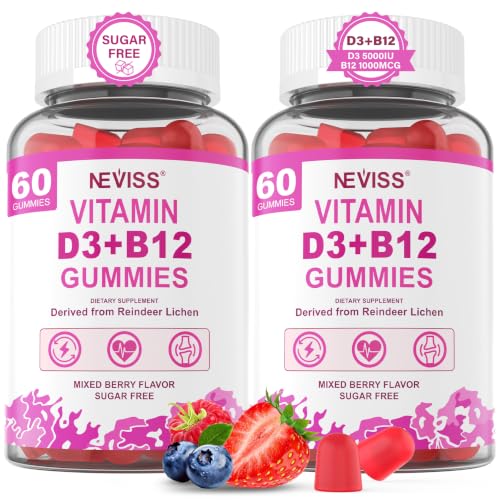
The health-related benefits are primarily based on the product's formula rather than independent certification. Retailer descriptions highlight ingredients such as lichen-derived vitamin D3, methylcobalamin B12, a pectin gummy base, and claims from the manufacturer that the product is vegan, non-GMO, gelatin-free, dairy-free, gluten-free, wheat-free, and soy-free. While vitamin D's essential role in calcium absorption and bone health is well-supported, the reported dose of 5,000 IU exceeds the recommended upper intake level for adults and should be considered alongside total daily intake and medical guidance. No publicly available certificates of potency for specific batches, contaminant reports, or recognized certifications for finished products could be found. Searches through FDA recall and warning-letter databases did not reveal any relevant actions against the brand or manufacturer. However, the available product information provides limited details on traceability. Additionally, there are no specific claims related to recycled content, recyclability, reduced packaging, or other environmental sustainability features for the bottle, cap, seal, or shipping materials.
This product is ideal for adults who have been specifically advised to take a high dose of vitamin D, have consulted with a healthcare professional about their total vitamin D intake, and prefer a vegan gummy over a capsule. It also caters to adults looking for a combined supplement of vitamin D3 and methylcobalamin B12, particularly those avoiding gelatin, dairy, gluten, wheat, or soy, as specified by the manufacturer. It is intended more for targeted deficiency support under medical supervision rather than for casual daily wellness.
This product is not suitable for children, as the reported dose of 5,000 IU of vitamin D exceeds the upper safe limit for pediatrics. Pregnant or breastfeeding individuals should avoid starting this high dose without medical consultation. Those with kidney disease, kidney stones, hypercalcemia, sarcoidosis, or other conditions related to calcium balance should seek medical advice before use. Additionally, caution is advised for people taking thiazide diuretics, statins, steroids, or orlistat, as well as for anyone already supplementing with vitamin D or calcium.
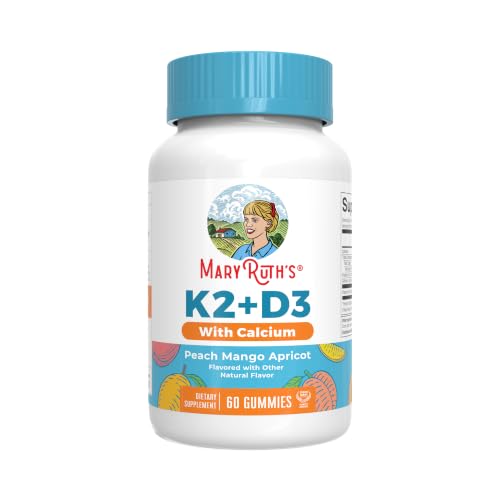
The primary health concern is concentration, not the gummy format itself. Each gummy contains 125 mcg of vitamin D3 and 600 mg of calcium. While vitamin D aids in calcium absorption, the amount of vitamin D exceeds the upper intake level for U.S. adults. Additionally, the added calcium necessitates careful consideration of dietary intake, other supplements, kidney health, and the risk of elevated blood calcium levels. Vitamin K2 also presents a significant concern for individuals taking warfarin. The product contains approximately 1 gram of added sugar per gummy and is marketed as vegan and free from common allergens. However, there is no available certification from USP or NSF for this specific product, nor are there lot-specific potency certificates, publicly accessible contaminant reports, or evidence regarding recycling or recycled content on the packaging. FDA records do not show any recalls or warning letters related to this product, but information about the manufacturer and public batch testing remains limited.
This format is suitable for adults advised to boost their vitamin D or calcium intake and who prefer a single gummy per day instead of tablets. It may also appeal to individuals looking for a vegan, gelatin-free product, including those avoiding dairy, soy, or gluten. The 600 mg calcium dose can benefit people with consistently low dietary calcium intake. Due to the high vitamin D content, proper use is best when guided by a healthcare professional's recommendation or through monitoring of vitamin D levels.
This supplement is not suitable for children, as its 5,000 IU vitamin D dosage exceeds recommended upper limits for pediatric use. Individuals taking warfarin or other vitamin K antagonists should avoid using the 200 mcg of MK-7 without consulting a healthcare provider. Those with hypercalcemia, kidney disease, recurring calcium kidney stones, sarcoidosis, or any other condition that affects vitamin D or calcium metabolism should seek personalized medical advice before use. Additionally, it is not recommended for anyone already taking vitamin D or calcium supplements unless their total daily intake has been carefully evaluated.
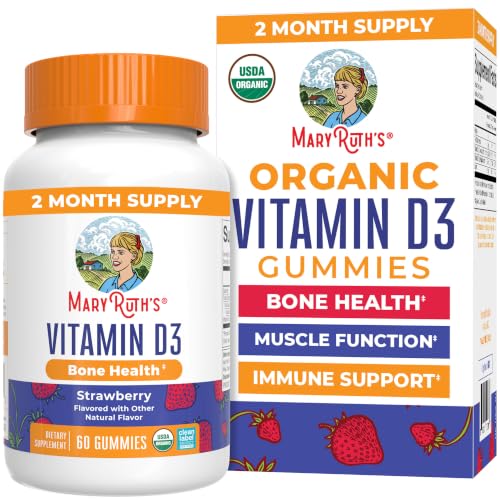
The specific Strawberry 60-count product is listed on the Clean Label Project's public certification, providing independent evidence that emphasizes contaminant screening. The manufacturer also claims USDA Organic certification, states that the gummy is vegan and pectin-based, and indicates lichen as the source of vitamin D3. MaryRuth, LLC is independently recognized as a Certified B Corporation by B Lab; however, this certification pertains to the company's overall social and environmental practices and does not verify the potency or safety of this particular supplement. A public certificate verifying the product’s potency at a specific batch level was not available; therefore, the claimed 1,000 IU of vitamin D3 is based on the label and has not been independently confirmed through expiry testing. In 2021, MaryRuth's voluntarily recalled two lots of a different liquid infant probiotic due to potential contamination with Pseudomonas aeruginosa, as posted by the FDA. The FDA stated that no other MaryRuth's products were affected. Additionally, no information was found regarding packaging recyclability instructions or the use of recycled materials for this bottle.
This product is ideal for households looking for a straightforward once-daily vitamin D supplement for children aged 2 or older, or for adults who prefer a chewable form. Each serving provides a conservative 1,000 IU, making it suitable when dietary vitamin D intake or sun exposure might be insufficient. It also caters to those who avoid gelatin and animal-derived D3, as the manufacturer specifies that the gummy is vegan, pectin-based, and made with lichen-sourced D3. When taken as directed, it offers a 60-day supply.
This product is not a replacement for professional medical treatment of diagnosed vitamin D deficiency, malabsorption issues, osteoporosis, or abnormal calcium levels. Individuals with kidney disease, hypercalcemia, a history of calcium-based kidney stones, sarcoidosis, or other granulomatous conditions should consult their healthcare provider before using vitamin D supplements. Those taking medications such as thiazide diuretics, orlistat, corticosteroids, or other regular prescriptions should also seek medical advice beforehand. Additionally, this product is not recommended for children under the age of 2, and households that avoid added sugars may prefer a non-gummy option.
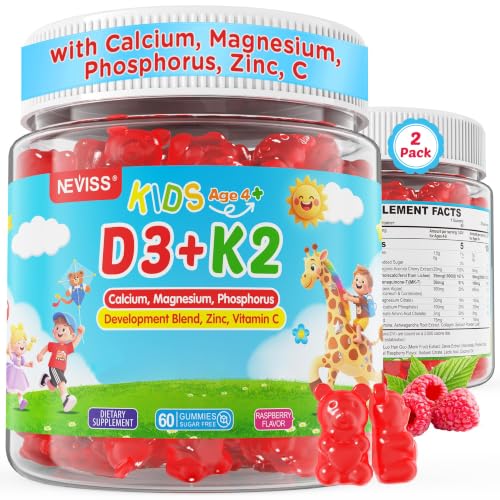
The public product label provides detailed information about the key vitamins and minerals, specifying separate instructions for children aged 4 to 8 and those 9 and older. It highlights that the product contains zero added sugar and is a pectin-based gummy made with monk fruit and stevia. Additionally, it claims to be vegan, gelatin-free, gluten-free, non-GMO, and free from certain ingredients. However, these claims are based on manufacturer statements rather than independent certifications registered with a public registry. A significant gap in quality verification exists. There is no publicly accessible lot-specific certificate of analysis, independent supplement certification, or reports on contaminants and microbiological safety for the finished product. Although no FDA recalls or warning letters specific to this product could be found, information about the manufacturer and testing records remains limited in public sources. The product is packaged in plastic jars, and there is no evidence of recycled content, recyclability, or efforts to reduce packaging.
This product is designed for children aged 4 and older who have trouble swallowing pills and whose healthcare provider or parent wants to incorporate a small, age-appropriate vitamin D and calcium supplement into a balanced diet. It is especially convenient for families seeking a zero-added-sugar gummy and a bottle that lasts either 30 days for teens or 60 days for younger children. The supplement is easiest to use when the child is not already taking other supplements containing calcium, vitamin D, zinc, or magnesium.
This product is not suitable for children taking warfarin or other anticoagulants because it contains vitamin K2. Children with kidney disease, elevated blood calcium levels, a history of kidney stones, malabsorption issues, or those following a personalized vitamin D deficiency treatment plan should use products and dosages directed by a healthcare professional. Caution is also advised for children taking antibiotics, levothyroxine, dolutegravir, or other medications that can be affected by minerals. Avoid this product if your household requires verified third-party testing or fully disclosed individual doses for every botanical and amino acid ingredient.