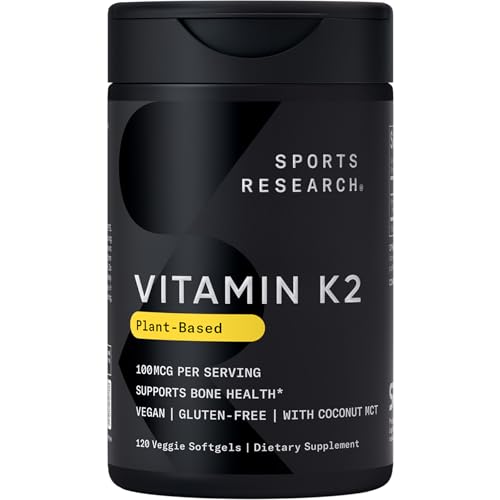
Sports Research Vitamin K2 MK-7 with MCT Oil
Contains coconut MCT oil for better absorption.
Vegan certified and non-GMO verified.
Long-lasting 4-month supply per bottle.
We compared the top Vitamin K2 products so you can quickly spot the strongest options for value, features, and everyday performance.
Contains coconut MCT oil for better absorption.
Vegan certified and non-GMO verified.
Long-lasting 4-month supply per bottle.
Combines Vitamin D3 and K2 for better absorption.
Made with plant-based, vegan ingredients.
Free from soy and gluten, ensuring purity.
High potency with 200mcg per serving.
Enhanced absorption with coconut oil.
Supports bone, joint, and immune health.
Combines essential nutrients for comprehensive health support.
High potency formula enhances absorption and effectiveness.
Suitable for both men and women’s daily use.
High potency with 15mg Vitamin K2 MK4.
Supports both bone and heart health.
Vegan and hypoallergenic friendly option.
Free from soy, gluten, and dairy.
Contains high-quality MK-7 form of K2.
Supports strong bones and heart health.
Promotes faster absorption with MCT oil.
Contains no fillers, ensuring purity.
Organic and non-GMO formulation.
High absorption with coconut oil softgels.
Supports immune, joint, and heart health.
Non-GMO for peace of mind.
Combines Vitamins D3 and K2 for better absorption.
Supports bone, immune, and heart health.
Made with virgin coconut oil for easy digestion.
Combines MK-7 and MK-4 for full spectrum benefits.
High absorption with virgin coconut oil base.
Non-GMO formula supports bones and immunity.
Vitamin K2 supplements typically contain forms such as menaquinone-7 (MK-7) or menaquinone-4 (MK-4). Some products may also include vitamin K1, vitamin D3, magnesium, zinc, calcium, or other ingredients. While vitamin K plays a well-established role in blood clotting and bone health, current reviews do not confirm that K2 supplements prevent osteoporosis, fractures, heart disease, arterial calcification, or joint issues. Therefore, the presence of K2 in a product does not guarantee specific health benefits.
The initial decision is whether to choose a standalone K2 supplement or a combination product that includes vitamin D3. Standalone K2 supplements avoid adding vitamin D, which may be preferable for those not needing extra D. Conversely, combination products require careful consideration of total daily vitamin D intake. Several products provide 5,000 IU daily—exceeding the 4,000 IU adult tolerable upper intake level noted in reviews—and some provide as much as 10,000 IU. Such high doses should only be used under medical supervision. Additionally, pay attention to the serving size, as “per serving” could mean one or two capsules, and larger bottles do not necessarily mean safer high doses.
Always review the Supplement Facts panel instead of just the label headline “K2.” Check the specific form—MK-4, MK-7, K1, or a combination—and note the amount of each. Also, consider the serving size, vitamin D form and amount if included, and inactive ingredients like carrier oils, capsule materials, allergens, or other active components. For example, “600 mcg K2” might be split between MK-4 and MK-7 rather than all from one form. Descriptive terms such as “high absorption,” “liposomal,” “organic,” “natural,” or “oil-carrier” do not automatically indicate better absorption or clinical efficacy.
Quality assurance should focus on the finished product rather than just the manufacturing facility or raw ingredients. The most reliable indication is a match with a credible finished-product certification, such as NSF Certified Dietary Supplements (NSF/ANSI 173), USP Verification, or recent results from ConsumerLab or Labdoor. A GMP (Good Manufacturing Practice) certification speaks to manufacturing standards but does not guarantee the product’s contents. Generic “third-party tested” claims are weaker if they lack details about the testing lab, methods, acceptance criteria, specific tested lots, or results.
For greater transparency, look for a current lot number and a certificate of analysis from an accredited laboratory. These should confirm the form and dose of K2, vitamin D if present, and any contaminants. Many products lack publicly accessible lot reports, even if brands claim testing. Additionally, details like company address, contact information, lot code, expiry date, adverse-event reporting channels, and recall history help identify responsible manufacturers but do not replace actual product testing.
Safety warnings are as important as dose information. Vitamin K can significantly interact with warfarin and other vitamin K-dependent anticoagulants—any changes in intake should only occur under the guidance of a healthcare provider. Pregnant or nursing women, individuals preparing for surgery, those with kidney disease, high calcium levels, kidney stones, sarcoidosis, malabsorption, or complex medication routines should seek personalized medical advice. Avoid ingredients that may trigger allergies or dietary restrictions, such as coconut, gelatin, or other disclosed allergens. Finally, no product on the market currently provides independently verified information regarding recycled content, refillability, packaging sustainability, or environmentally friendly sourcing; claims like “non-GMO,” vegan, organic, or plant-based do not necessarily indicate a smaller environmental footprint.

These topics differentiate a well-labeled, clinically cautious product from one that primarily depends on generic marketing language. The scores are based on the reviews provided; they do not replace the importance of verifying the current label and lot information.
This assesses whether the terminology related to bones, calcium usage, or cardiovascular health aligns with human evidence for the specified potassium form, dosage, and accompanying ingredients. A product with a high score employs cautious language and avoids making claims about preventing osteoporosis or heart disease. Among the products evaluated, higher scores tend to be linked to clearer and more specific claims, while lower scores are often associated with broader assertions related to arteries, absorption, immunity, or disease outcomes.
Vitamin K can interfere with warfarin and other anticoagulant medications; therefore, product labels should clearly advise users not to adjust their intake without consulting a healthcare professional. Products with a high warning score prominently mention anticoagulants or blood thinners and advise caution for those under medical supervision. Conversely, lower-scoring products often use generic language or omit specific warnings about warfarin, even when they contain significant amounts of vitamin K.
This applies to both products containing D3 and those containing K2. Consumers should be mindful of appropriate serving sizes and remember to account for vitamin D intake from supplements, fortified foods, and medical sources. Products that scored highly were predominantly those containing only K2 or products without added D3. Conversely, low scores were associated with regular daily amounts exceeding the adult upper intake limit of 4,000 IU, including products labeled with doses of 5,000 or 10,000 IU.
An effective label clearly indicates whether the product contains K1, MK-4, MK-7, or a combination; specifies each amount per daily serving; states the form and quantity of vitamin D when included; lists carrier oils; identifies allergens; and mentions other active ingredients. High-scoring products transparently disclose specific forms and dosages. Lower scores were assigned to those with vague terms like "K2," unclear information about the blend’s composition, or discrepancies between the total amount stated on the headline and the individual amounts listed in the Supplement Facts panel.
This indicates that the finished product has been tested for toxic substances, microbes, undisclosed drugs, and other contaminants. A high score is supported by independent certification of the final product or publicly available testing results; simply claiming GMP certification or advertising the product as “clean” is not sufficient. Many products provided did not include publicly accessible batch testing results, whereas higher-quality examples included product-specific quality evidence or more transparent testing documentation.
This involves independently verifiable information regarding ingredient sourcing and packaging, such as reduced material use, recycled content, recyclability, refillability, and specific product weights or targets. Higher scores were linked to clearer sourcing or certification indicators; however, no product provided a comprehensive environmental profile. Claims like vegan, organic, non-GMO, glass, amber plastic, or flexible pouches alone did not necessarily indicate a lower environmental impact.
This assesses whether the specific supplement itself—rather than just its manufacturer or ingredients—is listed in a reputable public registry or verified through independent retail testing. To achieve a high score, the supplement must have a corresponding certification from organizations such as USP, NSF/ANSI 173, ConsumerLab, or Labdoor. The provided information distinguishes products with NSF certification or historical ConsumerLab evidence from those supported solely by general third-party testing claims.
A high score indicates that a buyer can link a specific lot to a verified laboratory report confirming the product's identity, dosage, and relevant contaminants, including D3 when applicable. Generic testing descriptions receive lower scores because they lack details such as the lot number, laboratory information, testing methods, detection limits, and results. Since no public, lot-specific certificates were available for the products provided, this remained a consistent limitation.
This assesses whether marketing communications differentiate between normal nutrient functions and disease prevention or treatment, and it includes the necessary supplement disclaimer where applicable. Products with higher scores predominantly used structure-function language, while lower-scoring products made claims such as K2 clearing arteries, preventing heart disease, reversing bone disease, guaranteeing absorption, or addressing broad symptoms without specific human evidence to support these statements.
A traceable company should offer a responsible business name, address, lot and expiry codes, contact information, and details about adverse events. Additionally, its history of recalls and enforcement actions should be verifiable. High scores indicate companies with clear identification and accessible contact methods, whereas lower scores suggest limited traceability or claims that cannot be linked to current product lots. Merely possessing facility certification is insufficient for a high traceability score.
Vitamin K is essential for normal blood clotting and the production of bone-related proteins. The product's claim regarding bone health is appropriately limited and does not suggest it can treat diseases; however, evidence remains mixed regarding whether vitamin K supplements can prevent osteoporosis or fractures. A notable safety consideration is the warning for individuals taking warfarin or Coumadin, as maintaining consistent vitamin K intake is crucial for those on these medications. The specific formula is based on MK-7 derived from chickpeas, combined with coconut MCT oil and contained in a tapioca-based vegetarian softgel. The supplier of MenaQ7 publicly confirms that the ingredient is non-GMO and vegan, but this does not constitute independent verification of the finished product. No lot-specific testing or certification of the final product could be found. The product is packaged in a plastic bottle, and there is no information available regarding packaging materials, recycled content, refill options, or sourcing of ingredients. Additionally, no relevant FDA recalls or warning letters related to this product were identified during the review.
This product is ideal for adults seeking a straightforward, vitamin D-free MK-7 supplement and who prefer a vegan softgel over gelatin capsules. Each softgel provides 100 mcg of MK-7, and the 120-count bottle is intended for approximately four months of daily use. It offers a convenient option for individuals whose healthcare provider has already evaluated their diet, medications, and reasons for supplementing with vitamin K. Additionally, the listed coconut MCT carrier may appeal to those who prefer taking a fat-soluble vitamin in an oil-based softgel format.
It is not suitable for individuals taking warfarin, Coumadin, or other vitamin K-dependent anticoagulants unless their healthcare provider has instructed them to follow a consistent vitamin K regimen. Pregnant or nursing women, those managing medical conditions, or individuals on prescription medications should heed the warning to consult a healthcare professional before use. People allergic to coconut should avoid this product, as coconut is listed as a tree nut allergen. Additionally, it may not be appropriate for consumers who require publicly available batch testing for potency, heavy metals, microbiological contaminants, or adulterants.
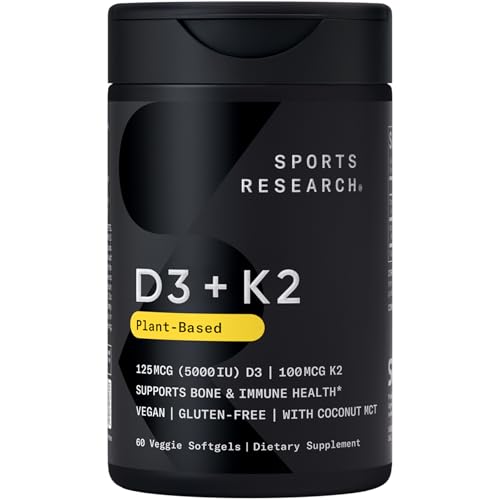
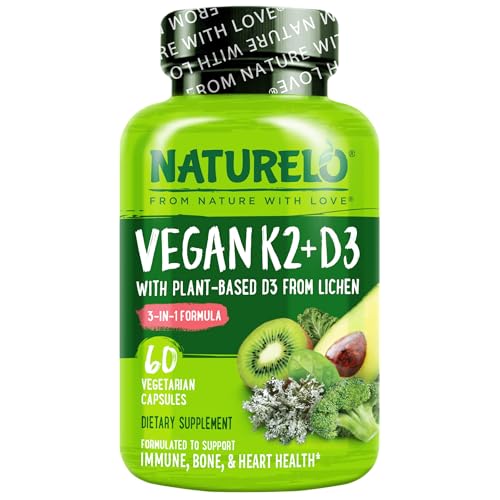
The product offers meaningful transparency regarding its ingredients. Its vitamin D3 is sourced from lichen, and its vitamin K2 is labeled as chickpea-derived MK-7. The tapioca-based softgel is free from gelatin. Vegan Action has certified this product as Vegan. The label also notes coconut as a potential allergen and provides a warning for individuals taking Coumadin or warfarin. Claims related to bone and immune health are presented as nutrient support statements, not as cures or preventive measures. A significant safety concern is based on independent testing rather than manufacturer claims. ConsumerLab found that one tested sample contained 193 mcg (7,720 IU) of vitamin D, exceeding both the product’s label claim of 5,000 IU and the recommended adult upper intake level. There is no publicly available lot certificate to confirm if subsequent lots have corrected this issue. The packaging consists of plastic-based materials for both the bottle and softgels. While vegan sourcing can reduce dependence on animal-derived ingredients like lanolin and gelatin, it does not necessarily imply a lower overall environmental impact.
This product is ideal for adults who have been advised by a healthcare professional to take a relatively high dose of vitamin D, and who prefer a convenient, once-daily vegan softgel combining both D3 and MK-7. It is suitable for those avoiding gelatin and soy. Its clearly disclosed ingredients—lichen-derived D3, chickpea-derived MK-7, and Certified Vegan certification—highlight its dietary appropriateness. Due to independent testing revealing elevated levels of vitamin D, users should consult their clinician to determine the appropriate dosage and consider all sources of vitamin D intake.
It is not suitable for individuals self-treating an unverified vitamin D level, those already using high-dose D supplements, or anyone looking for a routine low-dose maintenance supplement. Medical supervision is necessary for people taking warfarin or other vitamin K-dependent anticoagulants, during pregnancy or breastfeeding, or with diagnosed conditions related to calcium or vitamin D metabolism. Additionally, households with children should keep it out of reach, as one softgel provides a high dose for adults, and the tested amount is even higher.
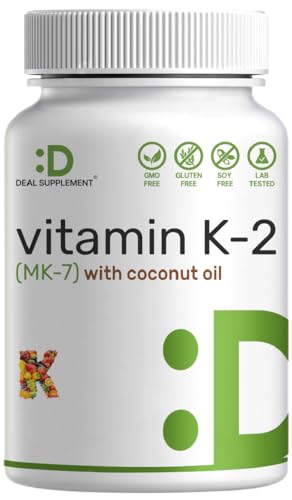
The key health information indicates that the product provides an exact dose of 200 mcg of MK-7 per daily softgel and does not contain vitamin D. While MK-7 is a legitimate form of vitamin K2, the specific potency and purity of this product have not been verified, as no independent certification, retail testing results, or current batch certificate were found. The label lists coconut oil and gelatin as ingredients and highlights coconut, but the packaging lacks a prominent warning about anticoagulant interactions, which is important given vitamin K’s significant interaction with warfarin and similar medications. Regarding sustainability and environmental considerations, there are no product-specific reports, recyclable material specifications, refill options, organic certifications, or independently verified claims of lower-impact sourcing available. The bottle is a standard softgel container that contains gelatin derived from animals. The absence of non-GMO labeling alone does not serve as environmental proof. Additionally, no relevant FDA recalls, warning letters, enforcement actions, or alerts related to tainted supplements were found in the U.S. databases reviewed.
This product is suitable for adults who have consulted with a healthcare professional about their vitamin K intake and prefer a dedicated MK-7 supplement rather than a combined vitamin D and K product. With a daily serving of one softgel and a 240-count bottle, it is ideal for individuals seeking a long-lasting supply with straightforward, essential ingredients. It is particularly relevant when a healthcare provider has identified dietary, absorption, or medication-related reasons to monitor vitamin K levels. Additionally, the label's disclosure of coconut and gelatin ingredients allows consumers to check for these components before use.
This supplement is not suitable for individuals taking warfarin, phenprocoumon, acenocoumarol, or other vitamin K-sensitive anticoagulants unless specifically directed and monitored by a healthcare professional. Sudden changes in vitamin K intake can impact the effectiveness of these medications. Additionally, it is not appropriate for people with coconut allergies, those who avoid gelatin, or individuals seeking a vegan product. Anyone undergoing treatment for conditions such as osteoporosis, fracture prevention, cardiovascular disease, joint issues, or immune disorders should not rely on this supplement as a replacement for medical assessment or established medical care.
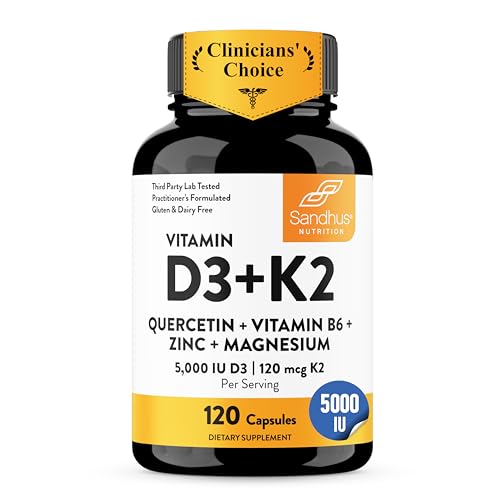
The primary formula includes vitamin D3, 120 mcg of K2 as MK-7, magnesium, zinc, vitamin B6, and quercetin. While vitamin D is known to support calcium absorption and bone health, the claims made on the page regarding vascular calcium are stronger than what current human evidence for this specific combination can substantiate. Vitamin K can significantly interact with warfarin; however, a clear anticoagulant warning was not prominently displayed on the product page. The product contains 5,000 IU of vitamin D per daily capsule, which exceeds the adult tolerable upper intake level of 4,000 IU. Sandhu Products’ Livermore, California facility is certified by NSF as compliant with the NSF/ANSI 455-2 GMP standards. The company states that ingredients are sourced globally and that each batch undergoes third-party testing, but they do not provide individual test reports or details about packaging materials. There is no evidence of lower-impact sourcing, recycled content, refill options, or recyclability information. A 2021 California Proposition 65 notice alleged lead exposure from two other Sandhu supplements, not this product, and the public case page shows no records of complaints, settlements, or judgments related to this issue.
This product is suitable for adults who have been advised by a healthcare professional to follow a higher-dose daily vitamin D regimen, specifically prefer vitamin K2 identified as MK-7, and prefer taking a single capsule instead of multiple separate supplements. It is ideal for individuals who have assessed their current intake of vitamin D, zinc, magnesium, and B6, and appreciate a 120-day supply as indicated by the manufacturer. Additionally, it is suitable for buyers seeking a product manufactured at a publicly listed NSF GMP-certified facility, while understanding that the certification applies to the facility itself, not the finished product.
This product is not ideal for individuals self-treating without first assessing their blood vitamin D levels or overall vitamin D intake, as its daily dose of 5,000 IU exceeds the adult tolerable upper limit. People taking warfarin, Coumadin, or other vitamin-K-dependent anticoagulants should consult their healthcare provider before starting or adjusting their K2 intake. Pregnant or breastfeeding individuals, those with kidney disease, hypercalcemia, sarcoidosis, or other medical conditions should seek personalized medical advice before use. Additionally, it is not suitable for buyers who require a public lot-specific certificate of analysis or finished-product certification from USP or NSF.
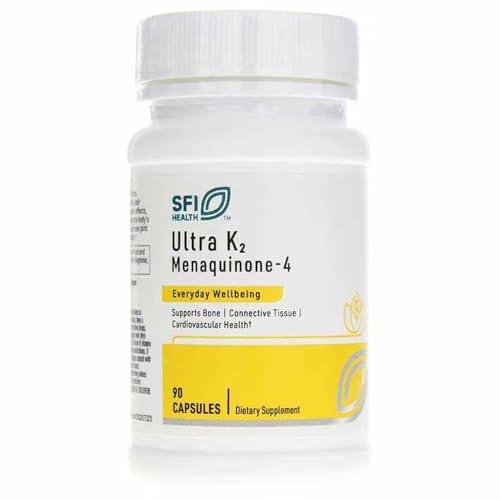
MK-4 is a well-known form of vitamin K2. While vitamin K is essential for blood clotting and activating proteins related to bone health, the evidence supporting the use of supplements to prevent osteoporosis fractures or cardiovascular disease remains mixed. Research on MK-4 typically involves a daily dose of 45 mg, and systematic reviews indicate uncertainty regarding its effectiveness in reducing fractures, although some studies suggest potential improvements in bone markers or bone density. It is important to note the blood-thinner warning associated with this product, as vitamin K can significantly interact with warfarin and other anticoagulants. The manufacturer claims that the capsule is vegan and free from several common allergens, with no synthetic colors, flavors, or preservatives. However, these are formulation claims and do not constitute independent purity testing. There is no publicly available certification of the finished product, lot-specific analysis, detailed information about packaging materials, or independently verified sourcing data. Therefore, environmental claims cannot be confirmed beyond the product’s small capsule format and the ingredient list provided by the manufacturer.
This product is suitable for adults who have a clinical recommendation to take a high-dose MK-4 supplement, desire vitamin K2 without vitamin D or calcium, and prefer capsules over liquids or powders. Each capsule contains 15 mg of MK-4, and the manufacturer recommends a maximum of three capsules per day, making it a high-dose option rather than a typical multivitamin-sized dose. It may also be appropriate for individuals avoiding animal-derived capsules and common allergens, as specified by the manufacturer. Users should consult with a healthcare professional to confirm their overall supplement regimen.
This product is not intended for use by individuals taking warfarin or other anticoagulants sensitive to vitamin K without medical guidance. Sudden changes in vitamin K intake can affect blood clotting and increase the risk of bleeding or clot formation. It is also not suitable for infants and children and should be used only under medical advice during pregnancy, breastfeeding, or when managing any health condition or medication. For those seeking products with independently verified potency, heavy metal testing, or publicly available batch certificates, it is recommended to choose products that provide these records. This supplement should not be considered a replacement for prescribed treatments for osteoporosis or cardiovascular conditions.
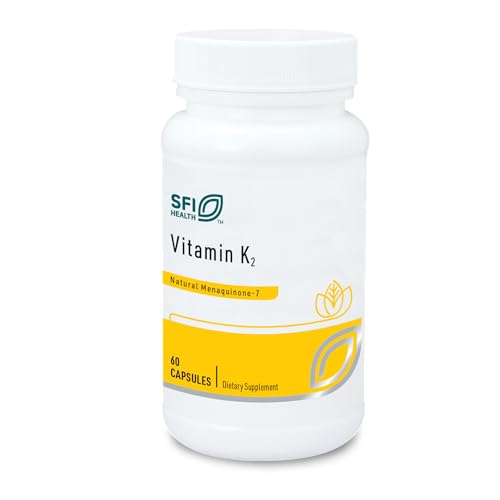
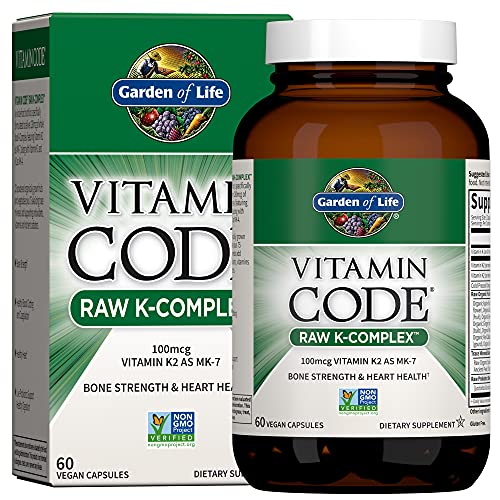
Vitamin K is essential for proper blood clotting and the production of proteins related to bone health. While human studies support the normal functioning of this nutrient, there is no established evidence that taking the 50 mcg dose of MK-7 in this product prevents fractures or cardiovascular diseases. The manufacturer's label correctly includes the FDA’s supplement disclaimer, but it does not specify any precautions related to anticoagulant interactions. This is important because sudden changes in vitamin K intake can dangerously affect the efficacy of warfarin therapy. SFI Health claims to use third-party testing and states that its products are tested to meet Proposition 65 limits. However, it does not provide a product-specific, lot-linked test report for this capsule. Its corporate sustainability efforts include reducing secondary packaging, increasing the use of recyclable materials, and aiming to maximize recycled PET bottles. These initiatives are at the company level and do not constitute independently verified information regarding the specific bottle or MK-7 sourcing used in this product.
This product is designed for adults seeking a standalone, modest MK-7 supplement, rather than a combined vitamin D and K formulation. It is ideal for individuals whose healthcare provider has advised adding vitamin K supplements and who prefer a straightforward, once-daily vegetarian capsule with clearly disclosed inactive ingredients. It may also be suitable for those wishing to avoid additional vitamin D, as they already obtain it through other supplements or prescriptions. The 60-capsule bottle provides approximately two months' supply based on the recommended usage.
It is not suitable for individuals taking warfarin or other vitamin K antagonist anticoagulants unless the prescribing healthcare professional ensures a consistent total intake of vitamin K. This product is also not a replacement for medical treatment of osteoporosis, fractures, cardiovascular disease, malabsorption issues, or diagnosed nutrient deficiencies. People using bile acid sequestrants, orlistat, undergoing long-term antibiotic therapy, or those with conditions such as celiac disease, inflammatory bowel disease, short bowel syndrome, or who have had bariatric surgery should consult a healthcare professional for personalized advice, as their vitamin K levels or absorption may be impacted.
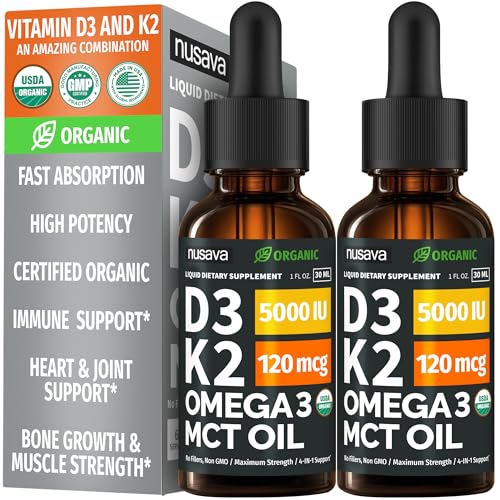
Vitamin D aids in calcium absorption and supports bone health, while vitamin K plays a role in blood clotting and maintaining bone integrity. These typical functions of the nutrients do not imply that this particular formula prevents cardiovascular disease or ensures superior absorption. The included K2 blend is especially relevant for individuals managing vitamin K-sensitive anticoagulation therapy. According to NIH guidance, it is important to maintain consistent vitamin K intake when taking warfarin. Additionally, the 5,000 IU dose of vitamin D3 exceeds the recommended upper intake level for adults, which is 4,000 IU. Medical supervision is recommended for use at this dosage. Reproductions by Nusava and retailers describe the formula as certified organic by Natural Food Certifiers, a USDA-accredited certifier. However, the current product page does not display certification documentation, and a recent operation-level record could not be verified through public search. No information was found regarding product-specific packaging details, recyclability, refill systems, sourcing impact, or an environmental report for the finished product. The use of two small dropper bottles results in more packaging compared to a single 60-serving bottle.
This product is ideal for adults who have been instructed by a healthcare professional to follow a higher-dose vitamin D regimen. It is suitable for those who prefer a liquid supplement over capsules and can track their vitamin D intake from all other supplements and prescriptions. The 1 ml dropper serving offers convenience for individuals who find swallowing pills challenging. Additionally, it is best suited for buyers comfortable with a formula that contains plant oils and 250 mg of chia-derived omega-3, rather than a product that provides only pure D3.
This is not a casual daily choice of D3 for individuals who haven't assessed their vitamin D requirements, as the labeled dose of 5,000 IU daily exceeds the NIH’s upper intake limit for adults during routine use. People taking warfarin or other vitamin K-dependent anticoagulants should not begin or modify their K2 intake without consulting their healthcare provider, since sudden changes in vitamin K levels can impact their anticoagulation therapy. Additionally, this product is not suitable for buyers who need independently verified potency, contaminant testing, a current lot certificate, or a fully displayed manufacturer Supplement Facts panel prior to purchase.
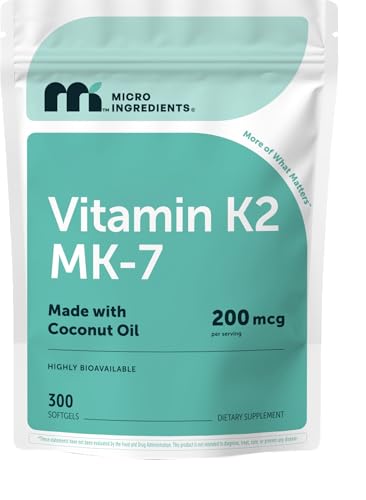
The product contains a clearly specified active ingredient: 200 mcg of MK-7 vitamin K2. Its ingredient list is minimal, including only coconut oil and a gelatin softgel capsule. Since vitamin K is fat-soluble, it is recommended to take it with food to optimize absorption. The primary health concern associated with this product is potential drug interactions, particularly with warfarin and similar vitamin K-sensitive blood thinners. Sudden changes in vitamin K intake can affect anticoagulant effectiveness; therefore, starting or modifying use of this product should be done cautiously and ideally under medical supervision. Micro Ingredients provides a U.S. business address, email, and phone contact information. The company states that the product is non-GMO, manufactured in a cGMP-compliant facility, and tested by third-party laboratories. However, publicly available certification details and lot-specific test results could not be verified. The softgels are packaged in a pouch, but the manufacturer does not specify details about packaging materials, recycled content, sourcing, or environmental impact. Simply labeling the product as non-GMO does not necessarily indicate a lower environmental footprint.

This product is designed for adults who have already consulted with a healthcare professional about their vitamin K intake and prefer a single-ingredient MK-7 supplement instead of a combined vitamin D and K formula. With a convenient one-softgel daily dose and a 300-serving pouch, it is ideal for individuals who appreciate a long-lasting supply and do not require a vegan option. It is most suitable for those who can tolerate coconut and gelatin, maintain a stable medication routine, and seek a clearly disclosed dose of 200 mcg MK-7.
It is not suitable for individuals on warfarin or other vitamin K-sensitive anticoagulants unless their healthcare provider ensures a consistent amount of vitamin K intake. Pregnant or breastfeeding women, those on regular medications, or individuals with malabsorption issues should seek personalized medical advice before use. If you have a coconut allergy, avoid gelatin, follow a vegan diet, or need publicly available testing results for potency, heavy metals, microbes, or other contaminants, choose an alternative product.
Vitamin D plays a role in calcium absorption and maintaining healthy bones, while vitamin K is essential for normal blood clotting and contributes to bone-related proteins. However, current evidence does not support that this 200 mcg MK-7 supplement prevents heart disease or treats osteoporosis. A recent MK-7 clinical trial reported imaging results that still need further interpretation to determine their clinical significance. The most urgent health concern is the manufacturer's recommended daily dose of 10,000 IU of vitamin D3, which exceeds the upper safe limit for adults. Excessive intake of vitamin D3 can lead to hypercalcemia and kidney-related issues if not used properly. The manufacturer claims that ingredients are tested by third parties and sourced directly from reputable suppliers, but it does not provide publicly accessible lot numbers or detailed product-specific test reports to verify potency or purity. There are no indications of certification from USP or NSF for the finished product, nor are there ConsumerLab or Labdoor evaluations available. Additionally, no FDA recall notices or exposure warnings related to this product are found in official FDA records. The packaging includes a recycling message, but there is no independently verifiable information regarding packaging materials, recycled content, or detailed sourcing of ingredients.
This product is primarily intended for adults whose healthcare provider has determined the need for high-dose vitamin D and has recommended or is monitoring a daily intake of 10,000 IU. It delivers a clearly labeled 250 mcg of D3 combined with 200 mcg of MK-7 in a convenient, single-softgel form, offering 300 servings for those planning to maintain this regimen over several months. Additionally, it is suitable for individuals who prefer gelatin softgels over powders or tablets and who can incorporate coconut-containing products.
This product is not appropriate for children, pregnant or breastfeeding women without personalized medical advice, or individuals seeking a standard dose for vitamin D maintenance. Those taking warfarin or other anticoagulants sensitive to vitamin K should not start, stop, or modify their use of this product without their healthcare provider's guidance. It is also not suitable for individuals with hypercalcemia, kidney disease, a history of kidney stones, sarcoidosis, or other conditions affecting vitamin D metabolism unless monitored by a healthcare professional. Additionally, avoid this product if you have a coconut allergy. It is not suitable for vegetarians or vegans because it contains gelatin.
Vitamin K is essential for normal blood clotting and plays a role in bone health. Human studies support its effects on vitamin K-related biomarkers, but evidence is mixed regarding whether supplemental K2 can prevent cardiovascular disease or reliably improve bone density and reduce fractures. The recommended daily amount for this product is 600 mcg, which exceeds the general adult adequate intake for total vitamin K, although there is no established tolerable upper intake level. A key practical concern is the potential interaction with warfarin and similar vitamin K antagonist medications, as sudden changes in intake can affect bleeding and clotting risks. The manufacturer is Arena Nutrition Inc., based in Diamond Bar, California, and provides an email contact. No public FDA recall, warning letter, or enforcement actions specific to this company or product were found during the searches. The manufacturer states that the formula is non-GMO and lab-tested, but these claims have not been independently verified. The product is packaged in a plastic softgel container, and there was no verifiable information regarding the use of recyclable materials, refill programs, packaging weight, or ingredient sourcing.
This product is intended for adults who have consulted with a healthcare professional about vitamin K and specifically seek a high-dose, vitamin D-free K2 softgel that contains both MK-4 and MK-7. It may also be suitable for individuals who appreciate a long-lasting 180-day supply and prefer a convenient once-daily oil-based softgel over separate K2 supplements. This supplement is designed for general nutrient support and is not intended to treat osteoporosis, arterial calcification, joint disorders, or immune conditions. Buyers should note that the testing and non-GMO claims are based on the manufacturer's statements.
This product is not recommended for individuals using warfarin or other vitamin K-sensitive anticoagulants unless a healthcare provider prescribes and supervises a consistent vitamin K intake. It is also not suitable for those seeking independently certified potency and contaminant testing, as no publicly available product-specific certificate or batch report was identified. People with diagnosed osteoporosis, cardiovascular disease, malabsorption issues, upcoming surgery, pregnancy, or complex medication routines should avoid self-starting a 600 mcg daily K2 supplement based solely on its general claims related to bone or heart health.