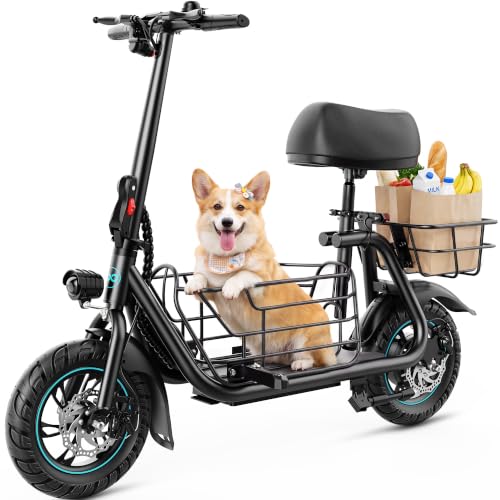
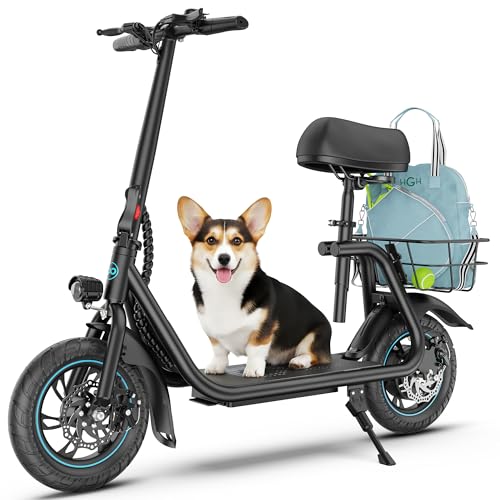
Gyroor C1S-FP9 Electric Scooter with Seat
Powerful 550W motor for smooth rides.
Convenient foldable design for easy storage.
Spacious basket perfect for pets and cargo.
We compared the top Adult Scooter products so you can quickly spot the strongest options for value, features, and everyday performance.
Powerful 550W motor for smooth rides.
Convenient foldable design for easy storage.
Spacious basket perfect for pets and cargo.
Powerful 500W motor for smooth rides.
LED lights enhance visibility and safety.
Bluetooth connectivity for music on the go.
Smooth ride with 10-inch pneumatic tires.
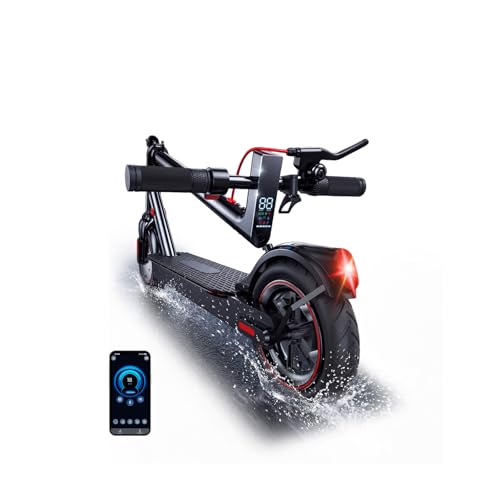
Convenient smart app for easy control.
Long 19-mile range ideal for commuting.
Easy folding for convenient portability.
Adjustable height suits all ages.
Smooth ride with ABEC9 bearings.
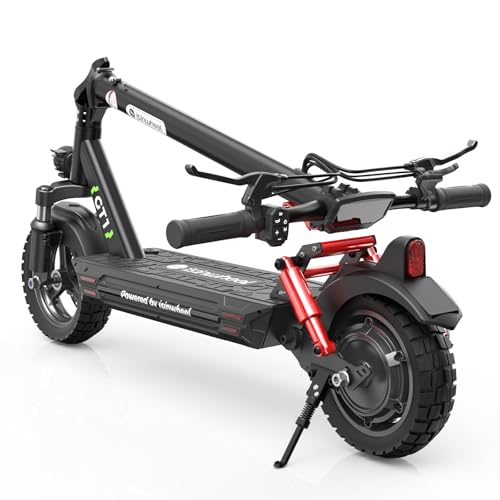
Smooth ride with dual damping suspension.
Convenient foldable design for easy storage.
Long range perfect for daily commutes.
Smooth ride on all surfaces.
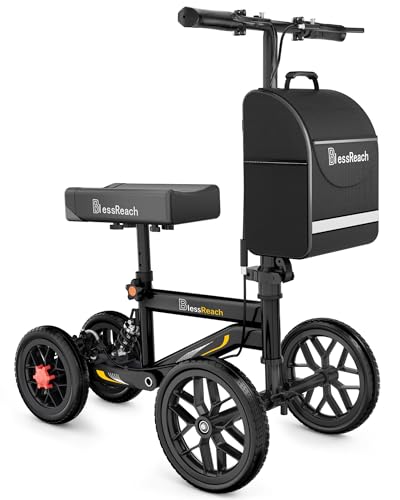
Comfortable and adjustable knee platform.
Easy to maneuver and store.
Easy folding for convenient storage and transport.
Sturdy design for reliable support and stability.
Comfortable padding for enhanced user comfort.
Powerful 500W motor for swift commutes.
Convenient folding design simplifies storage.
Reliable dual braking system enhances safety.
Adjustable speeds for safe and fun rides.
Magnetic charging is convenient and user-friendly.
Colorful lights make it visually appealing.
Supports heavier riders up to 240 lbs.
Adjustable height suits teens and adults.
Smooth ride with anti-shock suspension.
Adult scooters include a variety of options, from human-powered kick scooters to seated and stand-up electric models, as well as knee walkers designed for injury recovery. Selecting the right scooter depends primarily on its intended use—whether for short recreational outings, last-mile commuting, errands with cargo, or temporary non-weight-bearing mobility. A scooter suitable for smooth, dry campus routes may not perform well in rain, on steep hills, over rough pavement, at night, or for riders who need to frequently lift it.
When evaluating electric scooters, focus on the battery and charger rather than just the motor power advertised. Be cautious of claims related to electrical safety; verify that the model and charging system are tested and listed by accredited laboratories. Check UL Solutions’ Product iQ for an ANSI/CAN/UL 2272 listing, consult the OSHA Nationally Recognized Testing Laboratory directory and scope, or look through Intertek’s ETL directory. A seller’s logo, generic certification, or a statement claiming “UL certification” does not substitute for an official model-level certification record. Also, review the CPSC recalls database for safety alerts.
Performance specifications, such as range, should be approached with skepticism. The “up to” range figures usually represent ideal conditions and can vary significantly based on rider weight, speed, terrain, temperature, wind, tire pressure, and route. Listings often show discrepancies between published specifications and actual performance, with independent tests sometimes indicating much less range. Look for test details or independent road tests that specify conditions like rider weight, speed mode, terrain, temperature, and tire conditions. A claimed payload capacity does not mean the frame, folding mechanism, or brakes have been independently load-tested.
Braking and control are more critical than maximum speed. Ensure the scooter clearly states its brake components, offers stable steering, and uses appropriate tire size and type. The manual should explain how to adjust brakes, maintain tire pressure, select speed modes, understand rider weight limits, and perform pre-ride safety checks. Independent braking and handling tests are more reliable indicators of safety than promotional photos. Lighting should include functional front and rear lights, not just decorative LEDs, and local regulations may impose additional lighting requirements.
Water resistance ratings can be misunderstood. An IP rating is only meaningful if the testing scope applies to the specific scooter model. Even splash-proof ratings do not necessarily mean the scooter can be safely used in heavy rain, puddles, wet charging conditions, or stored while damp. Follow the manufacturer’s guidelines. For electric models, always use the supplied compatible charger, charge in a safe, attended area, keep the scooter away from exits and flammable materials, and cease use if there are impacts, swelling, overheating, unusual odors, smoke, leaks, or damaged wiring.
Common issues across products include lack of independent testing for stopping, handling, folding locks, load capacity, or battery performance; conflicting specifications; and unverified certification claims. Electric scooters often lack transparent information about battery replacement, recycling, or disposal. Manual kick scooters generally don't pose charging fire hazards but may have only a rear foot brake and insufficient nighttime lighting. Several models are explicitly not suitable for rain, wet surfaces, steep hills, rough terrain, potholes, curbs, or night riding. Knee walkers require good balance and hand-brake control and should be used following clinical guidance. Lithium-ion batteries must not be disposed of in household trash or curbside recycling—proper recycling methods should be followed.

The scores listed below evaluate the provided products based on specified health, ecological, and evidence-related criteria. A higher score indicates more comprehensive documentation or safer design evidence for that particular topic; however, it does not imply that each product is independently certified or appropriate for all routes, riders, or medical requirements.
This assesses whether the specific electric scooter and charging system are certified to be protected against thermal runaway and electrical fires. This is important because certification claims are often made, and charging presents a notable safety risk. Manual kick scooters and knee walkers typically score between 96 and 100, as they lack traction batteries and chargers. Electric-powered devices generally score around 68 to 74, where claims of UL 2272 certification cannot be verified through official public records.
This includes braking components, steering stability, tires, geometry, speed, and rider weight. It is important because a scooter’s safety depends on reliable stopping ability, not merely motor power. The i8M and Hiboy S2 Pro both achieve a score of 82, supported by independent stopping tests. In contrast, the Oslich scores 58 and the seated C1 scores 54, due to lack of testing or conflicting brake information. Manual brakes still need regular practice and inspection to ensure proper function.
This assessment evaluates load capacity, resistance to failures in the frame and folding mechanism, inspection procedures, and common failure patterns that remain unresolved. It is important because components such as the folding stem, handlebar, axle, or deck can fail under regular use. The hoverboard receives a score of 75 based on typical rider weight and terrain conditions, while the knee walker WB-2202 scores 54 due to discrepancies between catalog and manual specifications. Most products do not undergo independent fatigue or load testing.
This assesses whether water-resistance claims are clear, backed by evidence, and accompanied by safe guidelines for wet riding, storage, and charging. It is important because an IP certification alone does not guarantee that an electric scooter is rainproof. The scores provided range from 68 to 75. Devices score higher when their manuals specify cautious limits, and lower when IP claims lack testing details or contradict instructions to avoid rain and puddles.
This assessment evaluates the functionality of front and rear lighting, reflectors, audible warnings, and display visibility. It is important because adult scooters commonly share roads or paths with other users. Electric scooters equipped with designated headlights, taillights, and brake lights typically achieve scores between 72 and 75. In contrast, manual kick scooters usually score between 63 and 68 due to the lack of active lighting or insufficient documentation. It is worth noting that decorative LEDs alone do not replace proper lighting necessary for road safety.
This assessment evaluates charger compatibility, overcharge and misuse protections, storage guidelines, and warnings regarding damaged batteries. These factors are important because chargers and user practices are integral components of the electrical system. Products that do not contain batteries typically score between 96 and 100, as charging hazards are not relevant. Electronic products generally score around 68 to 76; higher scores indicate the presence of designated chargers and clear safety warnings, while lower scores suggest a lack of charger information, storage instructions, or guidance on handling damaged batteries.
This assessment evaluates the presence of a clearly identifiable responsible entity, traceability of the model and serial numbers, accessible customer support, availability of spare parts, and a practical process for recalls. These factors are important because safety fixes and replacement components must be accessible after purchase. Hiboy and Razor both score 78, thanks to U.S. support, registration options, or parts channels. In contrast, several less-documented electric products score around 69–70, due to limited information on recall registration, spare parts, or responsible-party details.
This assessment evaluates whether wear parts and batteries are serviceable or replaceable, and if the brand offers a practical recycling or take-back program. It is important because repairs can prolong the lifespan of the scooter, and lithium-ion batteries must not be discarded in trash or curbside recycling. The i8, i8M, and Hiboy models score between 76 and 78, reflecting available replacement parts. Most other products score between 68 and 71 due to unclear processes for battery take-back and replacement.
This metric assesses specific, verifiable data related to durable construction, recycled materials, packaging reduction, and end-of-life management. It is important because a scooter’s environmental footprint encompasses not just electricity consumption but also replacement parts and disposal methods. Most products evaluated score approximately 68–70, even without information on recycled content or packaging reduction. Razor scores 52 due to a lack of such disclosures, indicating that none of the products provide substantial evidence to support broad sustainability claims.
This assesses whether safety, performance, and certification claims specify the exact model and can be traced to an independent source. It is important because a generic certificate or related product cannot verify the certification of the specific scooter in question. Most scores range from 68 to 70 when precise certification records are unavailable. The i8M scores 78 and Razor scores 74 because the evidence for their model-specific road tests, manuals, or support is more robust, although neither provides entirely independent certification.
This assesses whether the claims regarding range, speed, payload, hill performance, and charging are based on testing conditions or independent results. This distinction is important because optimized test conditions can overestimate real-world performance, such as practical trip range. The i8M receives a score of 86 based on independent mixed-city testing, whereas the Hiboy scores 80 and the IK3 scores 77, both tested under more understandable conditions. Products with scores between approximately 52 and 63 have inconsistent or unverified information regarding their motor, speed, and range capabilities.
This assesses whether safety marks, range, speed, motor power, water resistance, payload, and warranty terms are clearly specified and internally aligned. This is important because conflicting information makes it challenging to determine the actual configuration delivered. Razor achieves a score of 78, reflecting consistent information for its manual scooters; the IK3 scores 70, with disclosed range conditions. WERHY scores 48, while several other electric models score between 52 and 55, as their specifications differ significantly across various sources.
This evidence topic examines whether the buyer can associate the product with a reputable brand, specific model details, support channels, parts availability, and recall procedures. Within this group, higher scores indicate the presence of a recognizable support and service framework rather than just popularity. Products that have publicly available parts stores, manuals, U.S. contact information, or registration options can score up to 78. Conversely, lower-scoring products typically lack model-specific parts, battery replacement instructions, registration options, or a well-defined support pathway in the U.S.
The primary safety concern involves the quality of evidence related to electrical safety. While several retail and manual sources state that the product is UL 2272 certified, this review was unable to confirm an official certification record from an accredited testing laboratory. The CPSC indicates that certification to the relevant UL standard by an accredited lab significantly lowers the risk of fires from micromobility devices. Consumers are advised to only use the included compatible charger, monitor the charging process, keep it away from exits and flammable materials, and cease using the product if there are any damages to the battery, wiring, charger, or enclosure. The brand previously issued a recall on December 15, 2022, through the CPSC for battery packs in a different product—the Gyroor C3 e-bike—following reports of ignition and injuries. However, there is no specific recall for the C1S model. Additionally, there is no information available about a manufacturer take-back program, battery replacement instructions, recycled-content disclosures, or packaging impact data. When the device or batteries reach the end of their life, lithium-ion batteries and devices containing batteries should not be disposed of in household trash or curbside recycling. The EPA recommends recycling through authorized electronics recyclers or household hazardous waste programs.
This scooter is ideal for an adult who requires a deliberately slow, seated vehicle for short, mostly flat, dry trips on paved surfaces. It is best suited for those who prioritize carrying groceries or small secure loads over portability. The specified rider weight limit of 265 pounds and adjustable seat ensure a suitable fit, while the dual baskets enhance practicality for errands compared to a bare deck scooter. It is most appropriate for a rider willing to check tire pressure, brake functionality, fasteners, and the folding lock before use, and to charge the scooter in a supervised, non-sleeping area away from flammable materials.
This product is not suitable for riders who require a certified, independently tested battery system, proven wet-weather resistance, quantifiable emergency braking performance, or durable parts with recycling options. Avoid using it in rain, snow, on steep inclines, at high speeds, on rugged off-road terrains, or for carrying pets unsecured in the basket. It is also not ideal for individuals who need to frequently lift the scooter, as it weighs approximately 48.5 pounds. households that charge micromobility devices indoors near bedrooms, exits, or flammable materials should select a product with verified certifications and transparent battery service information.
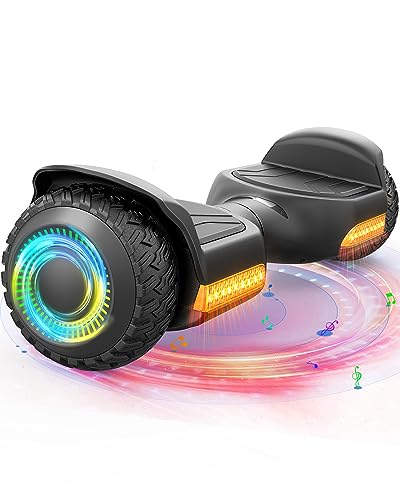
The primary safety concern is the risk associated with lithium-ion batteries. The manufacturer's manual states that the product has undergone ANSI/CAN/UL 2272 testing and provides important safety precautions, such as avoiding charging in wet conditions, keeping the charge-port cover closed, not disassembling the battery, and discontinuing use if abnormal alarms occur. However, an independently verified certification record for the specific product could not be found. The CPSC recommends using only the included charger, staying nearby during charging, avoiding overnight charging, and keeping the hoverboard away from flammable materials. The manual also explicitly warns against exposure to rain, puddles, and wet or slippery surfaces. While it mentions the LED front lamp, there is no clear evidence that the hoverboard has a functioning rear brake light, reflectors, or proven visibility features for nighttime use. The battery is not designed for user maintenance, and no specific information on take-back programs or parts availability was identified. Owners are advised to follow local disposal regulations for batteries, as lithium-ion batteries should never be disposed of in household trash or curbside recycling.
It is designed for supervised recreational riders who are at least 6 years old, taller than 4 feet, and within the weight range of 44 to 176 pounds. The intended use is for short rides on dry, smooth pavement or firm, packed dirt surfaces, not for transportation on public roads. It is most suitable in situations where a caregiver can oversee new riders, ensure they wear a helmet and protective gear, inspect the device before use, and keep it charged, awake, and attended in a clear area away from flammable materials.
This product is not suitable for riders weighing over 176 pounds, those under 4 feet tall, or individuals with balance or motor skill limitations. It is also not appropriate for riding in wet weather, street commuting, navigating steep hills, rough trails, curb hopping, or carrying passengers. Households lacking attended charging, dry indoor storage, smoke alarms, or adult supervision for younger riders should avoid this type of product. Buyers needing verified, precise model certifications and independently tested performance data should request documentation before relying on the safety and range claims provided.
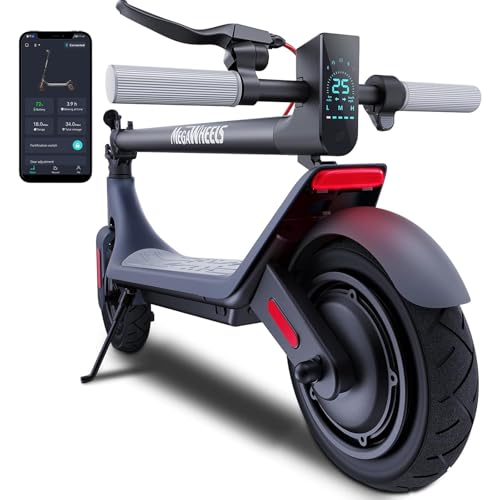
The manual specifies a 221 Wh lithium-ion battery and charger model, providing practical safety tips for users. It advises using only the original charger, keeping charging areas away from children, animals, and flammable materials, discontinuing use if the battery is hot, leaking, or emitting an unusual odor, and recharging stored units every three months. These are manufacturer guidelines and do not serve as independent safety assurances for the battery system. Although some reseller materials claim UL 2272 certification, the official manual reviewed does not make this claim, and no specific model certification entries were found in the publicly available UL, ETL, or TÜV databases. No product-specific CPSC recall information was located in the checked records. The manufacturer provides support contact details and instructions for repairing certain components but states that battery cases need to be returned for service. Additionally, there are no specific programs for battery take-back, recycling, recycled content, or packaging reduction. The manual notes that pneumatic tires are made from rubber compounds containing carbon black and nylon, which are wear items that will eventually need replacement.
This product is ideal for riders who typically travel on smooth, dry, paved routes for short local trips. It is suitable for riders weighing up to 220 pounds, as specified in the manual, and requires indoor charging while present. It is best suited for individuals willing to follow a pre-ride routine, which includes inspecting the folding lock, fasteners, brakes, and pneumatic tire pressure. With a documented top speed of 15 mph under controlled testing conditions, it is more appropriate for moderate urban or campus distances rather than long daily commutes, steep hills, rough terrain, or all-weather conditions.
This product is not recommended for riders over 220 lb, despite some marketplace claims of higher weight limits, because the official manual specifies a lower limit. It is also unsuitable for riding in the rain, nighttime riding in poorly lit areas, off-road terrains, routes with many potholes, stunts, or for riders who require independently verified battery fire safety certification. Households that cannot ensure supervised charging away from flammable materials, or those needing a easily replaceable battery with a clear recycling process, should look for a product with more robust and well-documented support for these requirements.
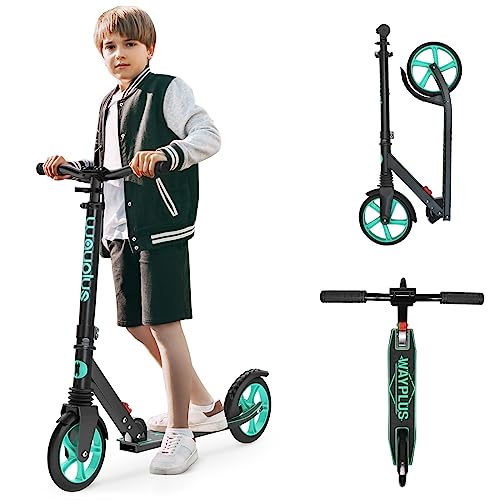
The main safety distinction for this product is that it is a human-powered kick scooter. It does not include a battery, motor, charging port, or charger, so the risks associated with lithium-ion batteries—such as thermal runaway—or charger mismatches that are common with electric scooters, do not apply here. A review of CPSC recall records did not reveal any recall specific to this particular WAYPLUS KS1 model. The remaining safety concerns are related to mechanical components. The manufacturer indicates that the scooter features a rear foot brake, non-slip deck, front suspension, and a double-lock handlebar. However, independent verification of the brake performance, latch function, and the ability to support a 240-pound load was not found. Before riding, check the folding joint, handlebar lock, axle hardware, wheel condition, and brake operation. There are no disposal issues related to batteries, but no verified recycling, packaging reduction, parts catalog, or take-back program was identified. Therefore, maintaining the serviceability of wear parts is the most effective way to prolong the scooter's lifespan.
This product is ideal for riders seeking a lightweight, non-electric scooter designed for short daytime trips on dry, relatively smooth surfaces. With a weight capacity of 240 pounds and four adjustable handlebar heights, it appeals to older children, teenagers, and some adults who fall within the recommended height range. It is also suitable for households that require a foldable scooter for easy storage in a car trunk, public transit, school lockers, or occasional recreational use. Riders should be prepared to perform a pre-ride inspection of the folding latch, handlebars, wheels, and rear brake to ensure safety.
This scooter is not suitable for riders who require independently tested commuter models, documented braking performance, or verified structural testing under adult load conditions. It is also not ideal for riding in wet weather, at night, on steep descents, in fast traffic, over rough trails, or on heavily cracked pavement. Buyers who need features such as built-in lighting, reflectors, a hand brake, pneumatic tires, easily available replacement parts, or a well-documented repair process should select a product that explicitly includes these features. Children should only use this scooter with proper protective gear and supervision appropriate to their skill level.
The primary safety concern centers on the quality of the evidence. A retail listing claims that this product is UL 2272 certified; however, there is no independent verification of this certification for this specific model in public UL or ETL directories. This is important because the CPSC recommends using micromobility devices that are certified to recognized safety standards. Additionally, the same listing asserts IPX5 water resistance, but no model-specific test records or owner’s manual were available to verify safe use in wet conditions or charging guidelines. Consumers should only use the provided charger, charge the device while they are present and alert, and stop using the product if the battery or charger shows any damage. The CPSC recommends against disposing of lithium batteries in trash or household recycling. No recall specific to KOWOEE was identified in available records. While solid tires may decrease the need for replacements due to punctures, there is no information on battery recycling options, parts catalogs, repair manuals, disclosure of recycled materials, or packaging reduction efforts.
This configuration is ideal for an adult taking short rides during dry weather on smooth, paved roads, where solid tires help minimize the inconvenience of flat repairs. It is also suitable for a rider who can keep the scooter indoors, charge it while awake and present, use only the included charger, and understands that the advertised range is an optimistic estimate rather than a guaranteed commuting distance. The indicated maximum weight capacity of 264 pounds should be seen as a limit, not a promise of performance at that load.
This product is not suitable for buyers whose apartments, workplaces, insurers, or local regulations mandate independently verified UL 2272 certification. It is also not ideal for frequent riding in the rain, navigating steep hills, long trips without sufficient charging margin, or rough streets where small solid tires may transmit sharper impacts. Riders who require documented braking distance, an official water resistance rating, convenient battery replacement, or a well-established parts and repair network should select a product that provides these verified features before making a purchase.
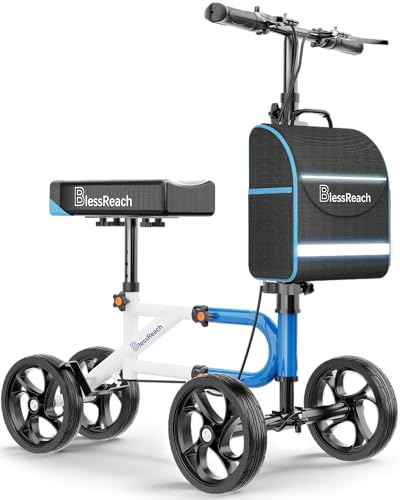
The key safety distinction to note is that this is a manual knee walker, not an electric scooter. According to the available 2208-T documentation, it does not contain a motor, battery, or charger, so concerns related to lithium-ion charging and thermal runaway do not apply during normal operation. Instead, safe use depends on the user's balance, proper use of hand brakes, wheel condition, secure fastening of components, and correct adjustments. The manufacturer’s instructions emphasize brake operation, hardware inspections, and caution when navigating slopes or slippery surfaces. There is no evidence of independent verification through product certification or model-specific testing for braking, load capacity, or ingress protection. The material composition is unclear, as sources conflict between carbon steel and aluminum. While there are no issues related to battery recycling, the brand does not provide a readily accessible parts catalog, recycling policy, or details about packaging and recycled content. Long-term usability will largely depend on the availability of replaceable wear items such as tires, brake components, cables, and padding.
This product is suitable for an adult temporarily recovering from a foot, ankle, calf, or lower-leg injury, provided that a healthcare professional has approved the use of a knee walker and the individual can safely balance, steer, and propel using their uninjured leg. It is primarily designed for use on controlled indoor pathways and relatively even outdoor terrains. The maximum weight capacity of 300 pounds is an important consideration for proper fit. Users should also be able to inspect and tighten hardware, operate hand brakes, and avoid carrying loads that could hinder steering.
This device is not suitable for individuals who cannot safely balance on one leg, have weak hand strength for braking, experience significant balance issues, dizziness, or have an injury that prevents applying pressure to the knee or shin. It is also not appropriate for use on steep ramps, wet or slippery surfaces, rough terrain, curbs, crowded or poorly lit areas, or in situations where supervision is unavailable, as falls could be particularly dangerous. People weighing more than the specified 300-pound limit, those who require a powered mobility device, specialized seating, or clinically guided gait support should consider alternative mobility solutions.
The primary safety benefit of this product is its mechanical simplicity. It is manually powered, eliminating the need for batteries or chargers, which removes risks associated with lithium-ion batteries such as charging hazards, storage concerns, disposal issues, and thermal runaway. The included manual provides guidance to users to operate the product at speeds below 3 mph, secure locking mechanisms after unfolding, and regularly check the brakes, fasteners, wheels, and shock absorbers. These are prudent safety tips, although they are manufacturer recommendations rather than independently verified safety standards. In U.S. safety databases, no specific recalls or safety actions related to this product have been identified. However, there is no evidence of independent certifications, brake performance tests, frame load testing, official replacement parts catalogs, or formal recycling programs for this exact model. The manual mentions alloy steel components and non-inflatable honeycomb wheels, which could reduce inner-tube waste, but the brand does not provide verified information regarding recycled materials, packaging, repair parts, or end-of-life disposal options.
This design is suitable for an adult who has been explicitly advised to avoid bearing weight on one foot or ankle, possesses sufficient balance and upper-body strength, and requires a manual mobility aid for flat indoor surfaces or short, controlled outdoor outings. It is most practical for individuals within the specified height range of 5 feet 6 inches to 6 feet 6 inches and a conservative weight limit of up to 300 pounds. Additionally, the foldable structure makes it convenient for users who need to store it in a vehicle between appointments.
This mobility aid is not suitable for individuals who cannot safely balance on one leg, cannot reliably operate hand brakes, have limited hand strength, experience significant dizziness, or have been advised by a healthcare professional to avoid this type of device. It is also inappropriate for use on unlit paths, steep inclines, high-speed travel, loose gravel, wet surfaces, or areas with frequent curb crossings. Do not rely on the 350-pound weight limit listed in the catalog, as the official manual indicates a maximum of 300 pounds. Users whose height falls outside the specified range should seek a properly fitting alternative.
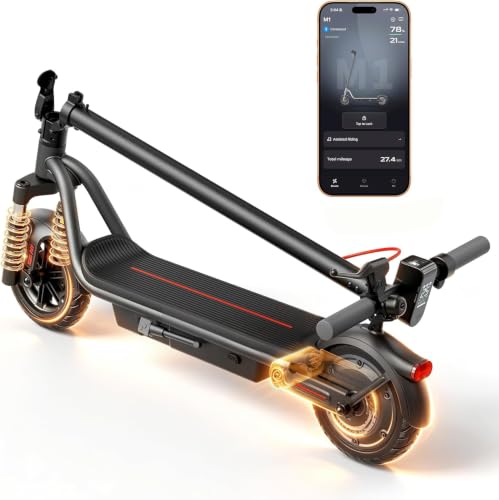
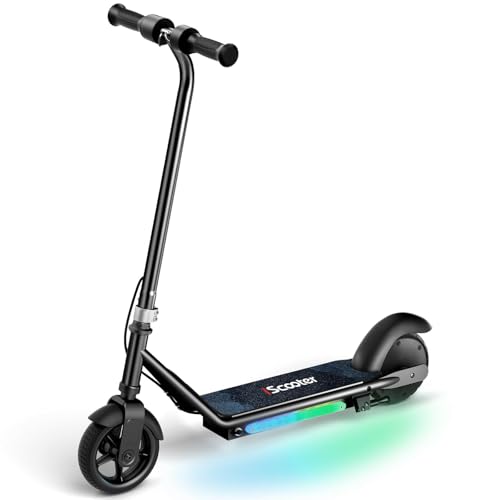
The key health and safety features include a separate rear mechanical disc brake combined with electronic braking, pneumatic tires, lighting, a bell, and documented inspection and charging guidelines. Independent testing has shown that the brake feel is controlled rather than sudden or abrupt. The provided manual recommends using the original charger, keeping the charging port dry, avoiding damaged equipment, checking fasteners before riding, and storing the scooter indoors in a cool, dry environment. A significant limitation is the lack of confirmed defects; rather, there is evidence suggesting potential issues. The product listing claims IP54 water resistance and a battery management system, but no verified U.S. certification for the entire scooter and charging system was found. Additionally, no specific CPSC recall for this exact model was identified from reliable sources. iScooter offers a limited warranty and states that tires can be replaced, but it does not specify a clear U.S. battery disposal or recycling program. Lithium-ion batteries should not be disposed of with household trash or curbside recycling.
It is ideal for an adult or older teenager who requires a compact scooter for short, primarily flat journeys on paved roads, campus pathways, or as a first-and-last-mile transportation option. Its practical application is limited to moderate one-way trips, provided there is a dependable charging station at both ends, rather than serving as a vehicle for all-day use. Equipped with pneumatic tires and independently controlled braking, it handles typical city pavement effectively. Its lightweight design also benefits riders who need to carry it into a car trunk or up a few stairs.
This vehicle is not suitable for riders who require a reliable 15-mile real-world trip, frequent hill climbing, wet-weather riding, or regular travel over potholes, gravel, cobblestones, or broken pavement. Its small battery provides only approximately 10 to 15 km in an independent mixed-city test, and the rigid frame lacks suspension. Households needing independently verified fire safety certification for the battery and charger should consider other options, as no certified U.S. listing for this specific product was found. Additionally, it is not designed to accommodate two riders.
The key health concern is the quality of the evidence. The manual provides important safety instructions, such as wearing a helmet, adult supervision, avoiding charging port water exposure, using only the original charger, adhering to temperature limits, and warning against disassembling or puncturing the battery. It also explains the automatic cut-off feature during charging. However, these are manufacturer guidelines and do not constitute independent verification that the battery, charger, and entire scooter system have undergone certified electrical fire testing. Searches in major certification databases did not confirm specific product coverage. Although the manual states an IP54 rating, it recommends avoiding rain, pressure washing, and immersion in water. Families should consider this scooter as suitable for dry conditions only. No specific U.S. Consumer Product Safety Commission (CPSC) recalls for this product were identified during the search. iScooter offers customer support and a limited warranty but does not have an established battery take-back program, detailed battery replacement process, parts catalog, recycled material information, or packaging reduction initiatives for this model. End-of-life lithium batteries should not be disposed of with trash or curbside recycling; instead, they should be handled through designated battery recycling or household hazardous waste programs.
This product is suitable for a child within the specified age range who will ride under active adult supervision on dry, smooth, flat surfaces such as driveways, quiet paved paths, or closed recreational areas. It is best suited for short riding sessions and in households that can enforce the use of helmets and protective gear, perform pre-ride safety checks, and charge the device indoors. The low-speed operating modes listed in the catalog may assist adults in gradually introducing throttle control, although these mode details have not been independently confirmed.
This product is not intended for adult transportation, road commuting, passenger transport, stunt riding, or traveling on steep hills, rough sidewalks, potholes, steps, gravel, ice, or in wet weather conditions. It is also not suitable for households that require independently verified certification of the battery system prior to indoor charging or for those unable to supervise charging and check the stem lock and fasteners before use. Children who frequently ride after dark should choose a product equipped with certified safety lighting, rather than relying solely on decorative ambient lights.
The primary health benefit of this product is clear: it is a manually powered kick scooter, not an electric scooter. It lacks a lithium-ion battery, charging port, or included charger, which means there are no risks related to battery thermal runaway or charging fires. Nattork recommends wearing protective gear, inspecting the equipment regularly, choosing smoother, low-traffic areas for riding, and avoiding wet or slippery conditions. While these are useful general safety tips, they are not substitutes for specific brake or durability testing for this particular model. Nattork describes the scooter as having an iron or steel frame with polyurethane wheels. However, the company does not provide information about recycled materials, packaging details, or an environmental impact report. Since there is no traction battery, recycling at the end of the product’s life is not necessary. Publicly available Nattork resources include a scooter manual and support contact information, but there is no specific parts catalog, repair instructions, or take-back program available. Additionally, searches through CPSC recall records did not show any recalls or safety warnings related to this product.
This scooter is ideal for riders seeking a straightforward, non-electric alternative for short trips on dry, smooth surfaces. It’s best suited for those who prefer to kick rather than rely on motor assistance. The scooter is particularly suitable for a family sharing a single scooter among older children, teenagers, and lighter adults, as long as their body weight stays below approximately 220 pounds. Its foldable frame and adjustable handlebar make it convenient for storage in limited spaces. For safety, especially for beginners, wearing a helmet along with wrist, knee, and elbow protection is highly recommended.
This product is not suitable for riders weighing near or over 220 pounds due to conflicting load capacity claims, and no independent structural testing has been found. It is also not recommended for use in wet conditions, nighttime riding without additional visibility equipment, performing tricks or jumps, navigating steep hills or fast descents, or riding on rough off-road terrains. Riders who require reliable hand-operated brakes, documented stopping distance information, a verified water resistance rating, easily accessible replacement parts, or a formal U.S. recall registration process should select a product that provides all of these records clearly.