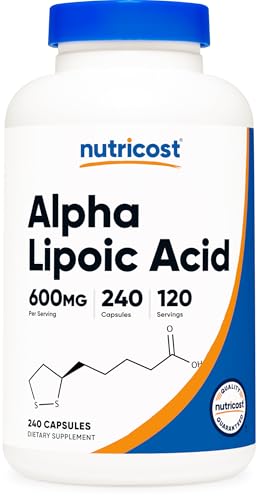
Nutricost Alpha Lipoic Acid 600mg, 240 Count
High potency with 600mg per serving.
Free from gluten, soy, and GMOs.
Vegetarian-friendly for diverse dietary needs.
We compared the top Alpha Lipoic Acid 600mg products so you can quickly spot the strongest options for value, features, and everyday performance.
High potency with 600mg per serving.
Free from gluten, soy, and GMOs.
Vegetarian-friendly for diverse dietary needs.
Supports nerve health and glucose metabolism.
Includes beneficial B vitamins for added support.
Non-GMO and vegan-friendly formulation.
Contains non-GMO, gluten-free ingredients.
Convenient 100mg dosage per serving.
Made with vegetarian-friendly formula.
Combines multiple key ingredients for comprehensive nerve support.
Includes essential B vitamins for added benefits.
Made in the USA ensuring high-quality standards.
Contains both R-ALA and Benfotiamine for enhanced support.
Provides a high dosage of 600mg per serving.
Designed for energy and nervous system benefits.
Highly bioavailable for effective absorption.
Combines ALA with nourishing coconut oil.
Supports nerve, heart, and liver health.
High potency for maximum antioxidant support.
Enhanced absorption for better effectiveness.
Vegan-friendly and non-GMO formulation.
Contains four powerful antioxidant ingredients.
Offers high absorption for better effectiveness.
Free from GMOs and gluten.
Contains MCT oil for enhanced absorption.
Non-GMO, gluten-free, and soy-free formula.
Supports liver, nerve, and cardiovascular health.
Combines berberine with alpha lipoic acid.
Supports metabolism and heart health.
Vegan and non-GMO formulation.
Alpha-lipoic acid is available as an oral supplement aimed at supporting antioxidant activity, nerve health, energy production, and glucose regulation. Based on relevant human studies, the most notable findings suggest that at around 600 mg daily, it may offer modest symptom relief for some individuals with diabetic peripheral neuropathy. However, the evidence is mixed and does not definitively confirm alpha-lipoic acid as an effective treatment for diabetes, blood sugar management, or unexplained nerve issues. It's important to note that intravenous studies should not be considered equivalent to oral supplement results.
Pay close attention to the "600 mg" dosage notation. This figure could refer to the amount per capsule, per serving, or per day. For example, some products may require taking two or three capsules to reach a total of 600 mg, while others may contain 600 mg in a single capsule. Salt-based R-Alpha Lipoic Acid (R-ALA) products often list sodium R-lipoate separately; for instance, one product lists 600 mg of sodium R-lipoate providing 520 mg of R-lipoic acid. A higher total dose, such as 1,000 mg, isn't necessarily better for research purposes, which typically used 600 mg, and a 100 mg dose may not replicate studied routines.
The form of alpha-lipoic acid also matters. Labels should specify whether the product contains "R-ALA," "S-ALA," "R-lipoate," or a "mixed" or "racemic" form, and clearly state the amount. Claims of "R-ALA" are valid only if supported by testing confirming the identity and potency of the finished product. The most reliable products are those listed in recognized independent registries or have undergone public testing—such as NSF certification, NSF/ANSI 173 listing, USP Verified status, or ConsumerLab testing—not just those labeled as "third-party tested."
For consumers, specific evidence is essential. A certificate of analysis for the finished product should identify the lot number, expiration date, testing laboratory, methods used, and results. This documentation should verify the actual alpha-lipoic acid content, R/S composition if claimed, heavy metals, microbiological safety, and residual solvents. Raw ingredient potency testing alone does not confirm the contents of the final product, and stability testing should demonstrate that the labeled amount and form remain consistent until expiration.
Transparency of formulation is another important factor. Check for all active ingredients, including the total daily dose, capsule or softgel components, fillers, flow agents, oils, potential allergens, and any additional ingredients like benfotiamine, B vitamins, chromium, berberine, or black pepper extract. Be aware that added ingredients may influence interactions or dietary considerations. If you require vegetarian or vegan options, verify that capsules do not contain gelatin or other animal-derived ingredients, especially in softgels.
Throughout product options, certain cautions are common. Alpha-lipoic acid can influence blood sugar levels, so individuals using insulin, sulfonylureas, or other glucose-lowering medications should consult healthcare professionals and monitor their blood sugar carefully. Rare reports of insulin-autoimmune hypoglycemia have been documented. Pregnant or nursing women, children, those with thyroid issues, individuals planning surgery, people on multiple medications, or those experiencing new or worsening symptoms like numbness, weakness, burning, or pain should seek professional advice before use. These supplements are not substitutes for medical treatment of diabetes, neuropathy evaluation, or prescribed therapies.
Common side effects may include nausea, vomiting, heartburn, and headaches. Some formulations, such as those combining alpha-lipoic acid with black pepper extract, could alter medication absorption. Finally, be cautious of inconsistent serving instructions, outdated labels, or language suggesting these are only "research chemicals," and avoid relying solely on marketing claims. Always verify product details before use.

These factors set apart a credible 600 mg label from a product whose dosage, form, safety information, testing, and packaging claims can be verified. The products offered differ most notably in independent certification, batch-specific documentation, verification of the active ingredient form, and the clarity and effectiveness of their warnings.
This assesses whether the claimed use is backed by substantial human evidence for oral alpha-lipoic acid at the specified dose and form, without substituting proven medical care. In this category, a high score indicates limited, well-supported claims related to neuropathy symptoms at studied oral doses; a low score suggests more extensive claims about glucose regulation, energy, heart, brain, or disease treatment that go beyond the available evidence.
This assesses whether the label provides practical warnings regarding hypoglycemia, diabetes medications, surgery, pregnancy or breastfeeding, thyroid issues, and potential adverse effects. A high score indicates the inclusion of detailed clinician-reviewed information, such as warnings related to insulin or antidiabetes drugs. Conversely, lower scores are characterized by generic statements like “consult a doctor” and tend to omit guidance on monitoring, symptoms of low blood sugar, or relevant drug interactions.
This evaluates whether the product accurately identifies all active and inactive ingredients, their daily quantities, the material of capsules or softgels, and relevant allergens. Products with high scores typically feature concise, named formulas and clearly state whether capsules are vegetarian or vegan, along with any exclusions. Conversely, lower-scoring products may contain undisclosed or insufficiently quantified additional ingredients, conflicting labels, or unclear information regarding gelatin, coconut, black pepper, softgel shells, and excipients.
This assessment evaluates the identity, potency, and claimed R-ALA content versus the accuracy of mixed forms across the product's shelf life. A high score indicates more than just a label claim; it requires verifiable analytical data confirming the actual amount and form of alpha-lipoic acid in the final product. The highest scores were awarded when R-form or dosage claims were independently verified, while the lowest scores were given when the form was not specified or when historical testing revealed significant under-potency.
This assesses the reliable quality control of finished products regarding heavy metals, microbes, residual solvents, and other important contaminants. High scores indicate independent testing or certification with established limits, while low scores suggest only a manufacturer’s declaration that testing is conducted. Although publicly available heavy-metal test results are helpful, they do not guarantee that microbiology, solvents, or all current bottles consistently meet the specified standards.
This assesses whether the packaging, storage instructions, and stability data of the finished product verify that the labeled amount and form of alpha-lipoic acid remain accurate until the expiration date. Achieving high scores requires stability evidence supported by expiry-date testing, rather than merely storage guidance or a single test result. Among the products reviewed, most included storage instructions but lacked publicly available stability reports, preventing consumers from independently confirming the product's potency at the end of its shelf life.
This assesses the transparency and credibility of claims related to the bottle or pouch, seal, desiccant, outer packaging, recycled content, and recyclability in the U.S. A high score indicates that packaging claims are detailed, qualified, and verifiable. However, the products evaluated generally revealed minimal information beyond the type of container, such as a plastic bottle or flexible pouch; none offered sufficient details regarding resin content, recycled material percentage, or recycling practices to demonstrate a clear environmental benefit.
This metric assesses whether the final product is listed in a reputable independent registry or public testing program, rather than simply being claimed as tested by the seller. High scores are awarded to products listed by organizations like NSF or backed by independent testing results. Low scores indicate the absence of an exact product listing in such registries or public test data. It’s important to note that facility GMP certification alone does not confirm the finished product’s certification.
This assesses whether a buyer can link a recent batch of a product to a certificate that specifies the lot number, expiration date, laboratory, testing methods, specifications, and results. The most transparent example provided included details on alpha-lipoic acid potency and heavy metals for a traceable batch. In contrast, products that only relied on manufacturer-stated testing without a publicly accessible, lot-specific report received significantly lower scores in this category.
This assessment evaluates whether marketing remains within appropriate structure-function language and distinguishes between evidence for oral supplements and that for intravenous or disease-treatment claims. High scores are characterized by cautious language focused on nerve symptoms and refraining from making claims about glucose control. Lower scores tend to promote general benefits related to energy, heart, liver, brain, anti-aging, absorption, or disease prevention, often without supporting human evidence, or they present the supplement as a substitute for medical treatment.
This assesses whether the accountable U.S. company, its contacts, manufacturing responsibilities, and relevant regulatory history can be traced. High scores indicate identifiable companies, NSF-listed facilities, and no ongoing regulatory actions in the reviewed materials. Low scores suggest issues such as false certification claims, history of warning letters, unclear responsibilities, or contradictions—such as marketing an orally administered product as a research chemical.
The product features a relatively straightforward disclosed formula, comprising alpha-lipoic acid along with standard capsule and tablet excipients, housed in a vegetarian hypromellose capsule. The manufacturer claims that the product is gluten-free, soy-free, non-GMO, and has been tested by an independent accredited laboratory. However, these claims are not supported by a public certification specific to this particular bottle and lot. Nutricost Manufacturing operates an NSF/ANSI 455-2 GMP-certified facility in Utah, which provides some assurance of quality at the manufacturing level. Nonetheless, this certification does not independently verify the contents of this specific product. No relevant FDA recalls or warning letters were found in publicly available sources. The brand does not provide detailed information about recycled content, recyclability, desiccants, or eco-friendly packaging, making it difficult to assess its environmental impact.
This product is ideal for adults who have already consulted a healthcare professional about alpha-lipoic acid and prefer a straightforward, single-ingredient capsule instead of a combined nerve or glucose formula. The daily dose of 600 mg aligns with amounts used in studies on diabetic neuropathy, although its effectiveness is still uncertain and should be evaluated by a clinician within the scope of established treatment plans. Its 120-day supply is suitable for those seeking a longer-term supplement, and it offers vegetarian capsules free from gluten and soy.
This is not a self-treatment option for individuals experiencing new numbness, burning foot pain, poorly managed diabetes, or suspected neuropathy, as these symptoms require professional medical evaluation and proven treatment. People using insulin or other glucose-lowering medications should consult a healthcare professional for personalized advice and regularly monitor their blood sugar levels. Pregnant or breastfeeding individuals, children, those preparing for surgery, and individuals with thyroid issues or taking multiple medications should choose a healthcare provider-reviewed plan rather than relying solely on the general warnings on the label.
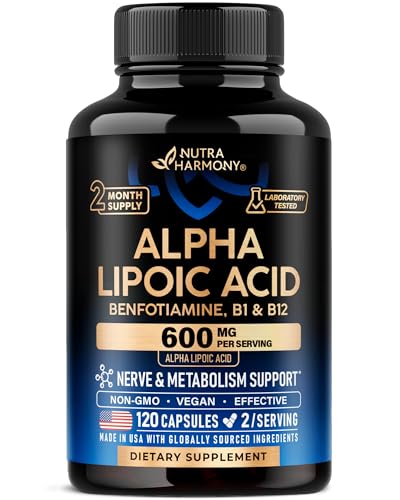
The manufacturer claims that the product is vegan, non-GMO, produced in the United States with ingredients sourced globally, and manufactured in a GMP-certified facility. They also state that each batch undergoes testing by an ISO 17025-certified laboratory for microbiological contamination and heavy metals. However, these are manufacturer assertions and do not constitute publicly available finished-product reports. There is no evidence of official product certification in the major independent supplement registries reviewed, and no lot-specific certificate of analysis has been publicly disclosed. The packaging is described as featuring a safety neckband and an undercap seal, with storage recommended in a cool, dry place below 85°F. No information on recycled content, recyclability, desiccants, bottle resin type, outer packaging, or specific environmental claims was provided. Searches for FDA recalls, health fraud alerts, or warning letters related to Nutra Harmony LLC or this product yielded no current issues. It is important to note that dietary supplements are not approved by the FDA for safety or efficacy prior to being sold.
This product is intended for adults seeking a two-month supply of a standard mixed-form alpha-lipoic acid supplement at 600 mg per day, along with small amounts of benfotiamine, thiamine, and cyanocobalamin. It is ideal for individuals who prefer vegan capsules and appreciate a transparent, fully labeled ingredient list. The primary use is as a clinician-reviewed supplement and should not replace medical treatment for diabetes or established therapies for nerve pain. Buyers should be comfortable with the manufacturer’s quality assurances rather than relying on publicly available lot testing.
This product is not suitable for children, pregnant or nursing individuals without medical guidance, or anyone taking insulin, other glucose-lowering medications, or thyroid treatments unless their healthcare provider has reviewed it. Those preparing for surgery should consult with a healthcare professional for personalized advice, as the general instructions do not cover perioperative use. Additionally, it is not appropriate for individuals who require a product with independent certification, a public certificate of analysis linked to the specific batch, verified R-alpha-lipoic acid, or a supplement intended to treat diabetic neuropathy or regulate blood sugar levels.
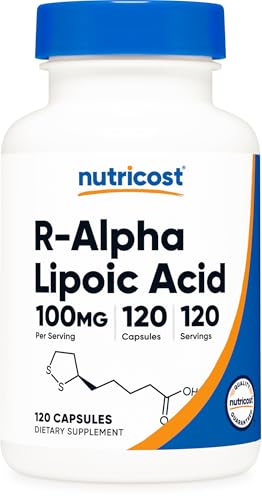
The product features a brief disclosed formula, listing only 100 mg of R-alpha lipoic acid, rice flour, and a hypromellose cellulose capsule. According to Nutricost, it is gluten-free, non-GMO, vegetarian, manufactured in the United States with globally sourced ingredients, and tested by an independent accredited laboratory. However, these specific testing and sourcing claims were not supported by a publicly available finished-product report. Nutricost Manufacturing holds an NSF/ANSI 455-2 GMP certification for its dietary supplement manufacturing processes. This certification indicates regulatory oversight of the manufacturing facility but does not equate to NSF certification of the final product itself. No public lot-specific certificate was found for this product. The packaging appears to be standard supplement containers; however, the available materials did not specify recycled content, recyclability, desiccants, seals, or other environmentally focused details. Additionally, there were no indications of any FDA recall or warning-letter concerns related to this product based on recent FDA searches.
This product is designed for adults seeking a low-dose, single-ingredient R-alpha lipoic acid supplement, rather than a standard 600 mg alpha-lipoic acid dosage. It may also appeal to those who prefer vegetarian capsules, a simplified ingredient list, and who view the R-ALA labeling and third-party testing statements as manufacturer claims rather than verifiable batch evidence. It is intended for general supplement use and should not be considered a substitute for medical evaluation or treatment of nerve issues, diabetes, or other diagnosed conditions.
It is not ideally suited for individuals aiming to replicate the oral doses typically researched for diabetic peripheral neuropathy, as the labeled daily amount is 100 mg. Those using insulin or other glucose-lowering medications, individuals with unstable blood sugar levels, those preparing for surgery, and pregnant or nursing women should consult a healthcare professional for personalized guidance before using this product. Additionally, it may not meet the needs of buyers who require public verification of R-ALA authenticity, contaminant testing results, potency up to the expiration date, or a certification listing for finished products.
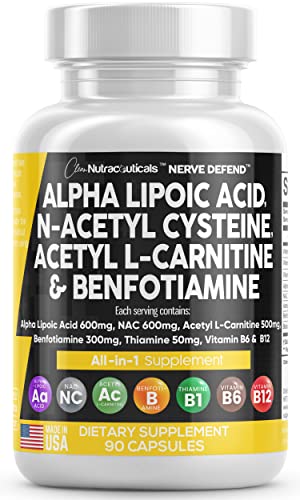
The health-related strength of this product lies in its straightforward multi-ingredient formulation, which includes alpha-lipoic acid, NAC, acetyl-L-carnitine, benfotiamine, B vitamins, and black pepper, as identified by the manufacturer. However, the supporting scientific evidence is limited and does not fully align with the marketing claims. For example, oral alpha-lipoic acid has mixed results regarding its effectiveness for diabetic peripheral neuropathy symptoms and has not been proven to help regulate blood sugar levels. Additionally, the manufacturer’s instructions for dosage are inconsistent, providing both two- and three-capsule recommendations, which is significant for ingredients sensitive to dosage. The manufacturer states that the products are produced in GMP-certified facilities, undergo testing, and use sustainably sourced ingredients. However, these claims are not backed by publicly verifiable documentation such as certification of finished products or lot-specific testing. There is no available information on recycled content, recyclability, packaging materials, desiccants, or efforts to reduce packaging waste. While no recalls or warning letters from the FDA are publicly reported for this product, there is also no publicly accessible lot-specific contaminant or stability testing data.
This product is most suitable for adults who have discussed diabetic peripheral neuropathy symptoms with a healthcare professional and are seeking a multi-ingredient oral supplement containing a manufacturer-recommended 600 mg of alpha-lipoic acid per serving. It may also appeal to individuals who are comfortable with bovine gelatin and prefer having multiple disclosed nutrients combined in a single bottle rather than in separate capsules. Use of this product should be considered as additional support and not as a replacement for diabetes management, diagnostic assessments, foot care, or prescribed treatments for neuropathy. Always check the serving size indicated on the actual bottle before use.
This product is not recommended for individuals using insulin or other glucose-lowering medications without medical supervision, as alpha-lipoic acid can influence blood sugar levels. Additionally, the product page does not prominently display specific precautions for different user groups. It is also not suitable for pregnant or nursing women unless approved by a healthcare professional, nor for children, individuals who avoid bovine gelatin, or those experiencing unexplained numbness, weakness, burning sensations, or rapidly fluctuating symptoms. Users already taking vitamin B6 or multiple supplements should monitor their total B6 intake, as excessive long-term consumption may lead to neuropathy.
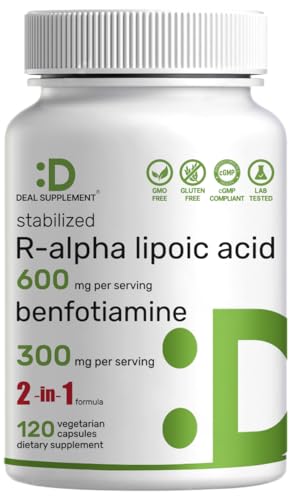
The label-facing presentation is fairly straightforward, listing two main active ingredients: rice flour, provided by an independent reseller, and a vegetarian capsule. The manufacturer states that the formula is non-GMO, free from several major allergens, and has been tested by a third-party laboratory. While these disclosures are helpful, no public records specify the laboratory, testing methods, lot number, specifications, or results. Additionally, there is no recognized independent certification or publicly available stability data for the finished product. The packaging appears to be a plastic bottle with a screw cap. However, the manufacturer does not disclose details about the bottle resin, recycled content, seal, desiccant, outer carton, or recycling instructions. No environmental claims beyond the product labeling have been verified. Separately, Deal Supplement is involved in a 2025 California Proposition 65 case related to alleged lead or PFOA exposures from three other products. This case does not mention this alpha-lipoic acid supplement or confirm its contamination.
This product is primarily suitable for adults who have consulted a healthcare professional about alpha-lipoic acid and specifically desire a daily dose of 600 mg taken orally, along with benfotiamine, in vegetarian capsules. It may appeal to individuals seeking additional support for diabetic peripheral neuropathy symptoms—not for glucose regulation—who are comfortable taking three capsules per day. Please note that the claims regarding R-alpha-lipoic acid and the finished product testing are provided by the manufacturer and have not been independently verified by a third party.
This product should not be used as a replacement for diabetes medications, blood glucose monitoring, or assessments of new numbness, burning pain, weakness, or foot ulcers. Individuals taking insulin or other blood sugar-lowering drugs should consult a healthcare professional, as blood sugar levels may be affected and could interfere with their treatment. Pregnant or breastfeeding women, children, individuals with thyroid issues, those preparing for surgery, and people with severe kidney disease or taking multiple medications should seek guidance from a healthcare provider or avoid self-administering. Additionally, it is not suitable for customers who need detailed contaminant testing at the batch level or independent certification.
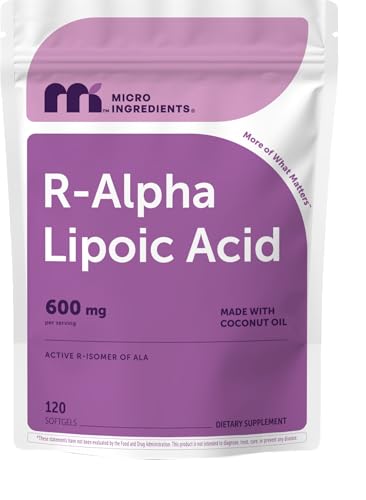
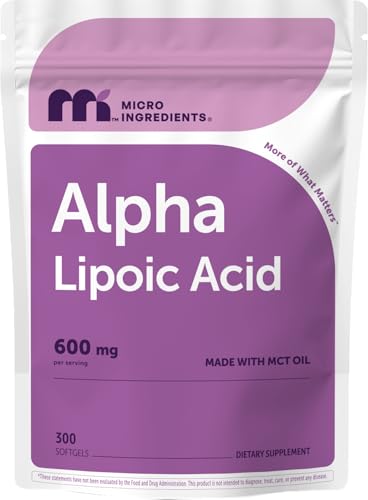
The product is based on a straightforward active-ingredient concept, but its quality claims are not supported by publicly available finished-product documentation. Micro Ingredients states that it conducts third-party testing for heavy metals and microorganisms, sources ingredients internationally, and manufactures products in the United States. However, no verifiable test reports for specific batches have been publicly found, and there is no evidence of certification from recognized independent agencies for this product. Coconut oil is listed as an ingredient, and it is recognized as a tree nut allergen by at least one retailer. The bovine gelatin softgel is not suitable for vegetarians. Online retailer listings vary in the non-active ingredients of the softgel capsules, so consumers should refer to the physical product labels for accurate information. There are no claims regarding recycled content, recyclability, packaging materials, or waste reduction that have been substantiated. While no FDA recalls or warning letters related to this product have been identified during searches, this does not guarantee its quality.
This product is designed for adults seeking a simple R-alpha-lipoic acid softgel supplement, providing a labeled daily dose of 600 mg, without any additional ingredients. It may be relevant for individuals discussing supplementary support for diabetic peripheral neuropathy with their healthcare provider, as there is some, though inconsistent, human evidence in this area. The package contains 120 softgels, sufficient for 40 days at the recommended daily use. It is not intended to treat diabetes or serve as a substitute for prescribed neuropathy treatments.
This product is not recommended for individuals who use insulin or glucose-lowering medications without medical supervision, those experiencing unexplained hypoglycemia, or individuals with a history of insulin autoimmune syndrome. Pregnant or breastfeeding women, individuals preparing for surgery, and those managing thyroid conditions or taking multiple medications should seek personalized professional advice before use. It should be avoided by those allergic to coconut. Additionally, it is not suitable for vegetarians, vegans, or anyone avoiding bovine gelatin, as the manufacturer states that its softgel capsules contain bovine-derived gelatin.
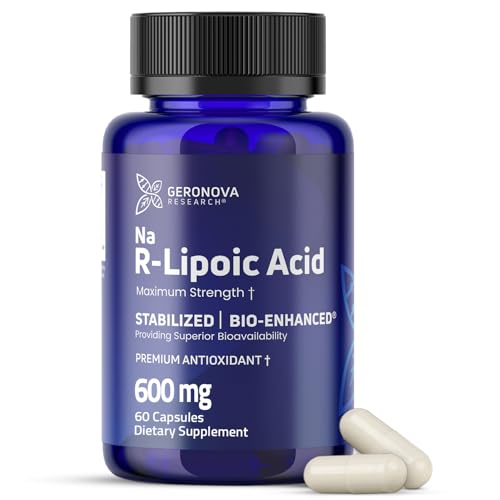
GeroNova describes their product as Bio-Enhanced Sodium R-Lipoate, a stabilized salt form designed to improve the physical stability of isolated R-Lipoic Acid. Each capsule contains 600 mg of Sodium R-Lipoate, providing 520 mg of R-Lipoic Acid, with additional ingredients including vegetable cellulose and rice flour. The manufacturer emphasizes that the formula is free from several common food allergens and artificial additives. Safety remains a primary concern. On November 18, 2021, the FDA issued a warning letter citing disease-treatment claims associated with GeroNova's R-Lipoic Acid products. Therefore, the product's broad health claims should not be interpreted as evidence of therapeutic benefits. No publicly available lot certificates, independent quality certifications, or detailed contaminant testing results were found. Additionally, there is no information regarding the bottle material, recycled content, recyclability, or disposal guidelines, making it difficult to assess its environmental impact.
This product is designed for adults seeking a single-active R-lipoic acid capsule, intended for use under medical supervision, especially when diabetic neuropathy symptoms are already being evaluated by a healthcare professional. Its ingredient formula may also be suitable for individuals avoiding dairy, gluten, soy, eggs, artificial colors, and artificial sweeteners. The available evidence supports the use of alpha-lipoic acid as a potential supplement for neuropathy symptoms, but not for general anti-aging, heart health, immune support, or blood pressure management. The final product has not been independently verified by external sources.
This product is not appropriate for self-treating conditions such as diabetes, numbness, burning foot pain, thyroid disorders, or unexplained neurological symptoms. Individuals using insulin or other blood sugar-lowering medications should consult a healthcare professional, as the supplement could affect blood glucose levels and may require medication adjustments. Pregnant or breastfeeding women, children, individuals preparing for surgery, and those taking thyroid medication should seek personalized medical advice prior to use. Additionally, it is not suitable for consumers who require a publicly available, lot-specific certificate of analysis, third-party certification, or documented testing for contaminants before taking a supplement.
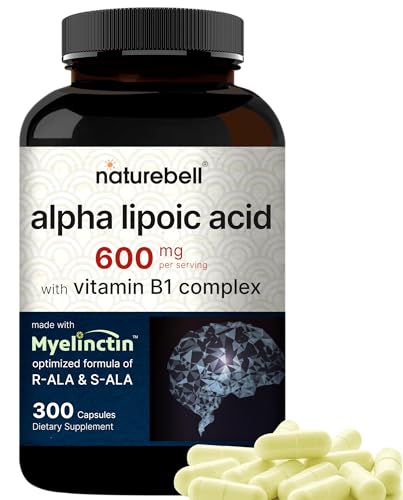
The label clearly displays the two ALA enantiomers and the added B1 ingredients. It also lists ingredients such as gelatin, rice flour, silicon dioxide, and magnesium stearate, rather than concealing them in a proprietary blend. The manufacturer describes the formula as non-GMO and free from several major food allergens, though these claims have not been independently verified or registered publicly. Additionally, the manufacturer provides addresses for their California offices, offering a way to contact them with product questions. The manufacturer states that the bottle is amber-colored, UV-protected, and double-sealed, which is appropriate for protecting light-sensitive ingredients. However, no publicly available stability studies on the finished product extending to the expiry date were found. There is no information on recycled content, resin type, recyclability instructions, or any quantified environmental claims. Most importantly, the product bears a California Proposition 65 warning for potential cancer and reproductive harm. Public testing data indicating the specific chemicals involved and levels of exposure could not be located.
This product is designed for adults seeking a high-dose, gelatin-capsule supplement that clearly states the amounts of both R- and S-alpha-lipoic acid, along with a substantial dose of thiamine. It is particularly suitable for individuals discussing a 600 mg daily ALA trial with their healthcare provider to address neuropathy symptoms, while maintaining their ongoing diabetes management. The 100-serving size is convenient for those who already tolerate ALA well and prefer to avoid frequent reordering. Please note, the product is not vegan, as the capsules contain gelatin.
This product is not appropriate for individuals who require independently verified potency or publicly available lot-specific contaminant testing, as these details are not provided. People with diabetes who use insulin or other glucose-lowering medications should not start using it on their own for blood sugar management, as ALA has not been proven to control glucose levels and may interfere with blood sugar monitoring. Avoid using it without medical supervision during pregnancy or breastfeeding, prior to surgery, or when taking complex medication regimens. Additionally, it is not suitable for vegetarians, vegans, or anyone who avoids gelatin. Due to the California reproductive-harm warning, extra caution is advised for those trying to conceive or who are pregnant.
The most informative health disclosure is the externally printed label. It indicates that each three-softgel serving contains 600 mg of alpha-lipoic acid, along with MCT oil derived from coconut and a shell made of gelatin, glycerin, and purified water. Coconut is specifically listed as an allergen. Evidence suggests only a potential, inconsistent supplementary benefit for diabetic neuropathy symptoms when taken at oral doses including 600 mg daily. However, it should not be considered a replacement for diabetes treatment or relied upon for consistent glucose management. The manufacturer claims that their ingredients undergo third-party testing and that their operations are eco-certified. However, this review was unable to verify the certification through a specific certifier, recognized finished-product certification, current lot certificates, or quantified packaging claims. The pouch appears to be a flexible package made from mixed materials, with no confirmed recycled content or U.S. recyclability information. A search of FDA recall notices and warning letters did not reveal any product-specific actions, but publicly available quality documentation remains limited.
This format is suitable for an adult who has consulted with a healthcare professional about alpha-lipoic acid and prefers a straightforward, gelatin-based softgel providing the studied 600 mg daily dose. It may be convenient for individuals using it as an adjunct therapy for diabetic peripheral neuropathy symptoms, rather than as a treatment for diabetes itself, and who can comfortably take three small softgels each day. Additionally, the ingredient information is valuable for buyers who avoid soy, dairy, and gluten but do not avoid coconut or gelatin.
This product is not suitable for individuals with coconut allergies, vegans, or those avoiding gelatin. People using insulin or other medications to lower blood sugar should consult a healthcare professional and monitor their glucose levels carefully before starting, as alpha-lipoic acid may increase the risk of hypoglycemia. Pregnant or breastfeeding women, individuals preparing for surgery, and those with thyroid conditions or on multiple medications should seek personalized medical advice. Additionally, it should not be used as a replacement for prescribed diabetes treatment or for self-managing new symptoms such as numbness, pain, weakness, or other nerve-related issues.
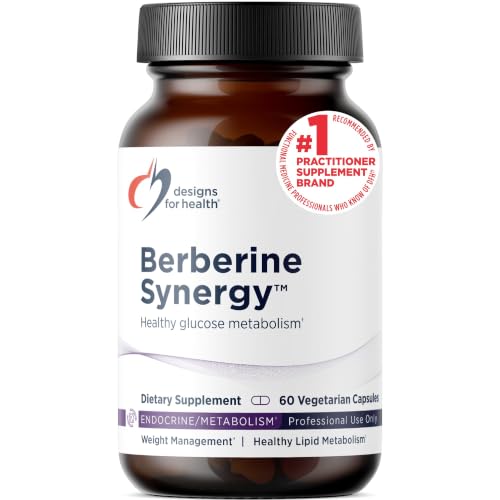
Berberine may lead to side effects such as nausea, diarrhea, bloating, or constipation and could interact with medications. The National Center for Complementary and Integrative Health recommends avoiding berberine during pregnancy and breastfeeding, highlighting a potential risk related to bilirubin levels in infants. Alpha-lipoic acid can cause symptoms like headache, heartburn, nausea, and vomiting. When combined, these supplements may have significant effects, especially for individuals managing blood sugar levels, so healthcare provider consultation is essential, particularly if taking diabetes medications, preparing for surgery, undergoing thyroid treatment, dealing with kidney disease, or using complex medication regimens. The manufacturing and packaging facilities used by the company are currently certified under NSF-listed Good Manufacturing Practices (GMP). A public independent market test verified the berberine content in the tested product, but no publicly available lot-specific certificate was found to confirm absence of contaminants, microbiological issues, alpha-lipoic acid testing, or stability up to the expiration date. Additionally, there was no information on recycled content, recyclability, packaging materials, desiccants, or eco-friendly packaging claims, making it difficult to assess the environmental impact of the product.
This product is suitable for adults who have consulted with a healthcare professional about using berberine and prefer a simple, two-ingredient formulation over a comprehensive blood sugar blend. It is intended to complement, not replace, established diet, exercise, and prescribed treatment plans. Taking it twice daily delivers a total of 800 mg of berberine, which is at the lower end of the clinically used dosage. The independently verified berberine content provides some confidence in the accuracy of the ingredient's labeled amount in the tested sample.
This product is not suitable for pregnant women, nursing mothers, infants, or individuals using it without medical advice while taking diabetes medications or other drugs that may interact. People with diabetes should not replace glucose monitoring, prescribed treatments, or routine care with this product. Additionally, it is not ideal for those specifically looking for alpha-lipoic acid at the 600 mg daily dose commonly studied for neuropathy, since the current twice-daily instructions only provide a total of 100 mg per day. Customers requiring detailed contaminant and potency testing records at the lot level will need documentation that is not publicly accessible here.