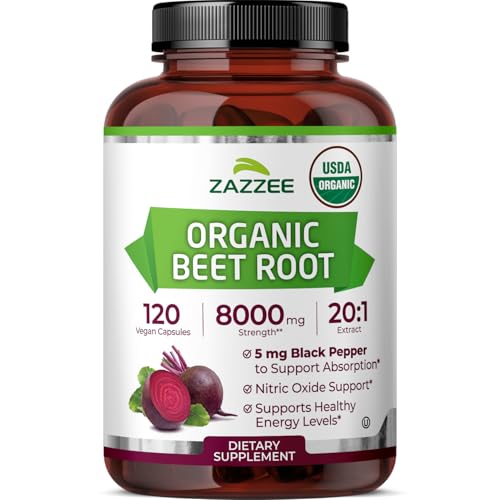
Zazzee Organic Beet Root Extract 8000 mg
8000 mg strength for effective nitric oxide support.
Includes black pepper for better absorption.
Made in the USA, non-GMO and vegan.
We compared the top Beet Root Capsules products so you can quickly spot the strongest options for value, features, and everyday performance.
8000 mg strength for effective nitric oxide support.
Includes black pepper for better absorption.
Made in the USA, non-GMO and vegan.
Supports healthy blood flow and energy levels.
Contains natural beetroot extract for heart health.
Convenient, easy-to-swallow daily supplement.
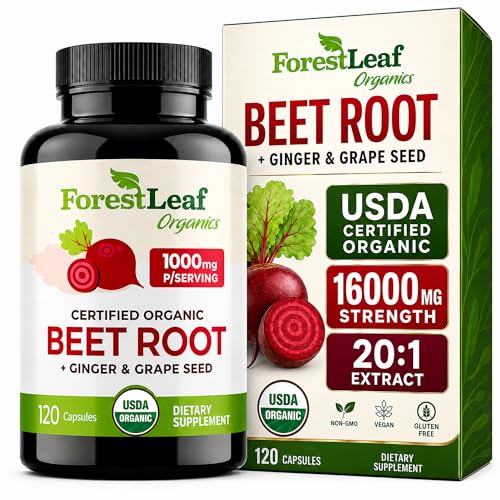
High-strength formula with 16000mg extract.
Contains organic, non-GMO beetroot powder.
Supports nitric oxide production effectively.
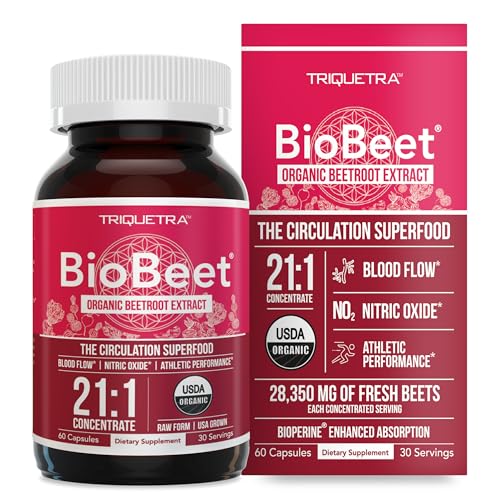
High potency 21:1 beetroot concentrate.
Enhanced absorption with BioPerine® extract.
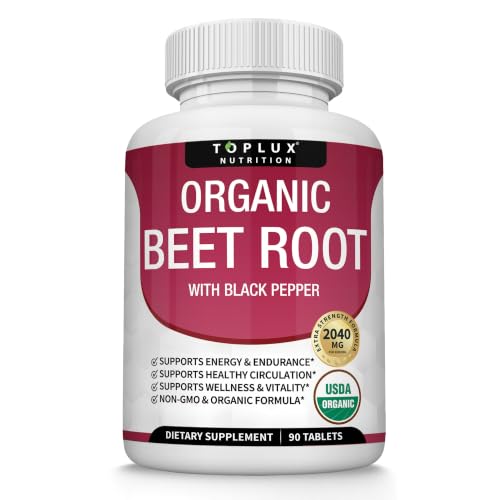
Made from organic beetroot.
Enhanced absorption with added black pepper.
High potency with 2040mg per serving.
Non-GMO and organic ingredients.
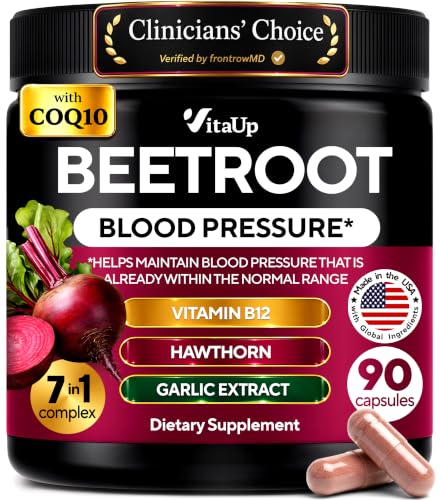
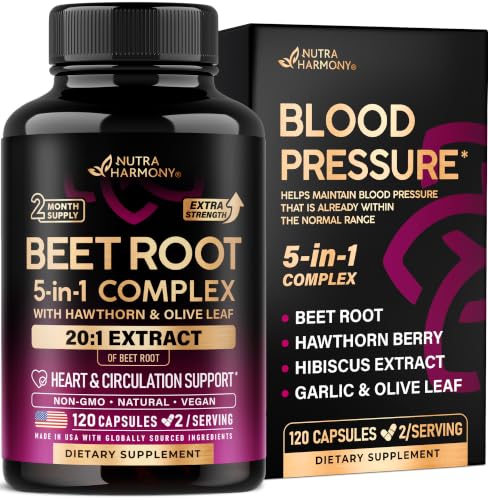
Supports healthy blood pressure with natural ingredients.
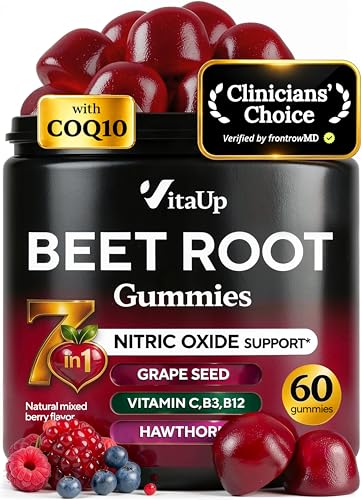
Includes hawthorn berry, hibiscus, and garlic.
Boosts energy through nitric oxide production.
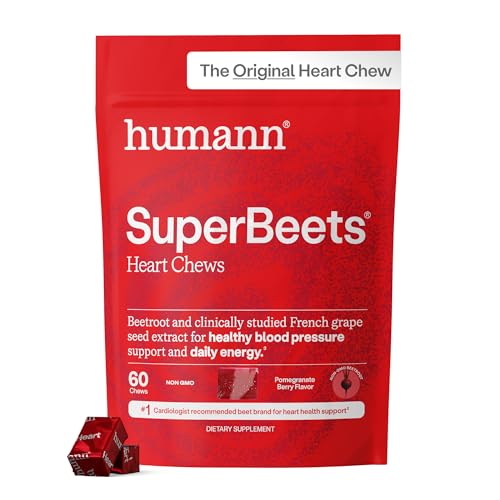
Supports blood pressure with grape seed extract.
Delicious pomegranate berry flavor.
Made with non-GMO ingredients.
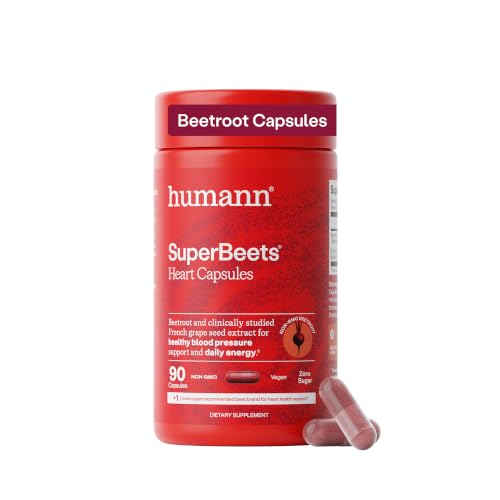
Supports heart health with studied antioxidants.
Quick release formula for faster effects.
Non-GMO and made with beet root powder.
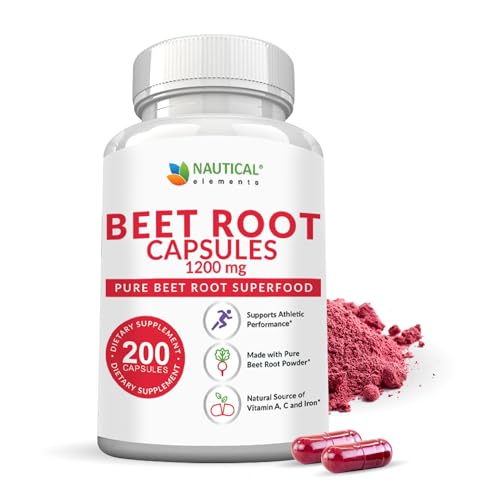
High potency with 1200mg per serving.
Supports overall health with pure ingredients.
Non-GMO and gluten-free for dietary needs.
Delicious pomegranate berry flavor enhances enjoyment.
Zero sugar formula supports healthier choices.
Includes grape seed extract for enhanced heart health.
Beet root capsules offer a convenient alternative to beet juice, powder, tablets, or chews. They are typically promoted for supporting nitric oxide production, improving circulation, boosting energy and endurance, or maintaining normal blood pressure levels. It’s important to note that the weight of beet root in a capsule does not directly indicate the nitrate content. Human studies generally measure nitrate intake from beetroot juice or concentrates, often ranging from approximately 200 to 800 mg of nitrate, or about 5 to 14.9 mmol in exercise protocols. A capsule labeled “1,000 mg beet root,” “20:1 extract,” or “9,000 mg equivalent” does not specify how much nitrate it delivers.
For products designed to mirror nitrate research, look for nitrate quantities listed in milligrams or mmol per serving, a clearly defined serving size, and a current lot-specific certificate of analysis verifying the nitrate amount. The certificate should specify the product and lot number, laboratory, date, analytical method, specifications, and results. While a standardized extract percentage can be helpful, it’s insufficient if the extract amount is concealed within a proprietary blend. Headline figures like extract ratios and fresh-root equivalents are not substitutes for actual nitrate testing.
Transparency in formulation is crucial because ingredients like black pepper or piperine, grape seed, ginger, garlic, hawthorn, hibiscus, olive leaf, CoQ10, amino acids, sweeteners, capsule materials, and inactive ingredients can influence safety and interactions. Opt for a supplement facts panel that thoroughly lists every active and inactive ingredient, including amounts, plant part or extract specifications, and serving size. Avoid products with proprietary blends, missing ingredient information, conflicting descriptions, or incomplete ingredient lists, as these hinder proper assessment of benefits and potential interactions.
Claims regarding quality should be specific and verifiable. Check for independent certifications such as NSF Certified Dietary Supplements, NSF Certified for Sport, USP Verified, or listings in the Informed Sport or Informed Choice registries. A manufacturer’s statement that a facility is GMP-certified, FDA-registered, or that products are “third-party tested” does not guarantee the finished product’s quality. For contamination concerns, a current finished-product report should cover key aspects like heavy metals, microbes, pesticide residues, allergens, and identity testing, performed by a qualified laboratory with established limits. A lot report for a different product or a general company certification does not confirm the quality of the specific bottle in question.
Verification of organic and sustainability claims is also important. USDA Organic claims must correspond to certified operations listed in the USDA Organic Integrity Database or an accredited certifier’s certificate. Labels claiming “vegan,” “non-GMO,” or responsible sourcing should be cross-checked with actual ingredients and capsule materials. Packaging claims should specify materials, recycled content, recyclability, or specific waste-reduction features. While practical design, like compact bottles or extended supply, is beneficial, it does not inherently indicate a lower environmental impact.
Common safety issues observed across these products include missing nitrate content information, lack of lot-specific testing, and vague, general warnings rather than ingredient-specific notices. Individuals on blood pressure medications, nitrates, vasodilators, anticoagulants, aspirin, or those taking black pepper extract should consult a healthcare professional. Pregnant or nursing women, people with cardiovascular or kidney conditions, low blood pressure, or recurrent calcium-oxalate kidney stones should seek personalized guidance. Some products had red flags, such as a California lead-exposure warning or an unverified certification claim. Always read the current label carefully rather than relying solely on marketing claims. These supplements should not replace prescribed blood pressure treatments.

The scores provided below are based on the reviews submitted. A higher score indicates more robust evidence, disclosure, testing, or certification for that product; however, it does not imply the product has confirmed clinical benefits or that an untested bottle is without risk.
This evaluates whether the claimed benefit aligns with the product’s actual, measured nitrate content per serving. For beet products, the milligram amount of beet powder and extract ratios cannot replace direct nitrate measurement. Products that scored higher were more transparent about their intended use or included ingredient dosages supported by human research. In contrast, lower-scoring products made exaggerated claims related to exercise, nitric oxide, or blood pressure without providing sufficient nitrate data.
This assesses whether nitrate content is explicitly stated and verified, rather than inferred from beet weight or a 20:1 extract claim. A high score demands a recent batch test and a clearly defined serving size. Among these products, even those with more transparent labels frequently lacked publicly available batch verification, and undisclosed nitrate levels made it difficult to compare the product to research-recommended doses.
This pertains to the testing of finished products for heavy metals, microbes, pesticides, allergens, and other contaminants. It is important because beet powders, extracts, botanicals, and capsule materials can differ from batch to batch. The highest scores were awarded to products with independent finished-product oversight, whereas the lower scores were associated with products that either carried a California lead warning or lacked accessible testing information—this does not necessarily indicate that every bottle is contaminated.
This assesses whether the label provides practical warnings related to blood pressure or nitrate medications, low blood pressure, history of kidney stones, pregnancy, breastfeeding, and other medical conditions. Products with higher scores offered more detailed guidance regarding medications and pregnancy. In contrast, lower-scoring products typically used generic statements like "ask your clinician," leaving critical information about interactions with garlic, hawthorn, piperine, or nitrates less explicit.
A high score indicates that all active and inactive ingredients, their quantities, serving sizes, plant parts, and extract specifications are clearly identified without the use of proprietary blends. This transparency is particularly crucial for multi-botanical formulas. The top-rated products feature straightforward formulas or precise active ingredient amounts, while lower-rated products conceal ingredients within blends, omit ingredient quantities, or provide inconsistent descriptions of beetroot and moringa.
This assesses whether claims related to organic, non-GMO, or responsible sourcing are independently verified within the pertinent beet supply chain. A high score necessitates a valid, current certification or a verifiable certified operation, not just claims on the packaging. While some products mentioned an organic certifier or made organic claims, reviews frequently failed to confirm the certification of the final product or the scope of the certified operation.
This assesses the packaging required for the labeled supply, including whether material or recyclability claims are specific and verified. While long-lasting supplies and compact formats can reduce the frequency of replacements, they do not necessarily indicate a lower environmental impact. The products provided generally did not include detailed material specifications, recycled content information, recycling instructions, or verified waste-reduction claims. Additionally, some chew products packaged in flexible bags contain individual wrappers.
This evaluates whether the final product is listed in a reputable independent program such as NSF/ANSI 173, NSF Certified for Sport, USP Verified, Informed Sport, or Informed Choice. High ratings were primarily found in HumanN chew products that have current NSF certifications. However, claims of factory GMP compliance, ingredient certification, or certification of other products do not offer the same level of assurance.
This assesses whether the language related to nitric oxide, circulation, energy, exercise, and blood pressure aligns with the scientific evidence and the product's actual ingredients. Higher-rated products use validated supportive language, whereas lower-rated ones make claims about disease prevention, performance enhancement, or broad health benefits despite not disclosing nitrate dosages. Simply including a standard supplement disclaimer does not transform unsupported claims into evidence-based statements.
A high score indicates that a buyer can link the bottle’s lot and expiration details to a recent independent laboratory report that verifies the product’s identity, testing methods, specifications, and results. Most products provided did not include a publicly available lot-specific report. One product did include a dated report that covered metals, microbes, and pesticides; however, this report was provided by the seller and did not include nitrate testing. Relying solely on manufacturer testing statements resulted in a lower score.
This assessment takes into account manufacturing controls, responsive company communications, and safety actions such as warning letters, recalls, or other interventions. A high score indicates a cleaner, verified record, but does not imply FDA approval. The reviews provided mention unrelated warning letters for certain companies and a particular notice regarding an unauthorized certification claim for one brand; these records are significant even if they do not involve a recall of the beet product.
The manufacturer label describes this product as an organic, vegan capsule made with organic beet root, organic black pepper, organic pullulan capsule shell, rice hulls, and a rice extract blend. It also displays a USDA Organic seal. However, during verification, no current certified operation record or certifier’s certificate linking the finished product to the organic claim was found, so the claim remains label-supported rather than independently verified. The bottle contains 120 servings, which offers a longer-lasting supply compared to smaller packs, but it lacks specific material details, recyclability instructions, or information on packaging sustainability. The manufacturer states that both ingredients and finished products are tested, but no lot-specific reports are available to consumers that detail nitrate levels, heavy metals, microbes, pesticides, or allergens. Additionally, in October 2023, the FDA issued a warning letter to the responsible company regarding disease claims for a different eye-drop product, not this beet capsule.
This format is ideal for adults who prefer a straightforward, capsule-based beet extract instead of beet juice or flavored pre-workout supplements, and who appreciate having a long-lasting supply in a compact bottle. It is best suited for individuals who understand that 400 mg represents the actual extract dose, while the 8,000 mg figure simply indicates a 20:1 equivalent of fresh beet. Users should be comfortable with an unspecified nitrate intake and should not depend on this product for consistent effects on exercise performance, circulation, or blood pressure.
This product is not ideal for athletes or individuals aiming to replicate research-supported nitrate protocols, as the nitrate dosage is not disclosed or batch-verified. Those taking antihypertensive, nitrate-related, or other prescription medications should consult a healthcare professional or pharmacist beforehand, since beet-derived nitrate can lower blood pressure and black pepper extract may influence how drugs are processed. Additionally, individuals with a history of calcium oxalate kidney stones, pregnant or nursing women, those with kidney disease, or those requiring verified allergen and contaminant safety information should seek more detailed, product-specific safety details.
The health evidence is limited due to the absence of nitrate standardization. Systematic reviews of beetroot juice indicate that daily nitrate intakes of approximately 200 to 800 mg may slightly lower systolic blood pressure in some individuals with hypertension; however, the capsule does not disclose its nitrate content. Additionally, the five botanical doses listed do not confirm that they align with the levels found in the studied beetroot products. Garlic may increase bleeding risk, especially when combined with anticoagulants or aspirin. Hawthorn has limited high-quality evidence supporting its cardiovascular benefits, and data on its long-term safety are also limited. The manufacturer states that the product is produced in a GMP-certified facility in the United States using ingredients sourced globally, and that it is lab-tested. However, these claims are not supported by a publicly available lot-specific certificate or a searchable record of finished-product certification. No FDA recall notices, warning letters, or ClinicalTrials.gov studies related to this product were found in the searches conducted. Additionally, there is no indication of USDA Organic certification or any independently verified responsible-sourcing claim. The product comes in a compact plastic jar, but no information on recycling or material-efficiency has been provided.
This format is ideally suited for adults seeking a straightforward daily routine of just two capsules, avoiding the need to prepare beet juice or powder. It appeals to those interested in a multi-botanical wellness supplement rather than a product focused solely on nitrate-standardized performance or blood pressure management. The 90-capsule bottle provides a clear 45-day supply. Additionally, it may be suitable for buyers who prefer a vegan and gluten-free capsule, as long as they can tolerate the included plant ingredients and review the label upon receipt to ensure they have the current formula.
This product is not appropriate for individuals managing diagnosed high blood pressure, attempting to replace prescribed treatments, or aiming for a specific nitrate dose, as it does not disclose its nitrate content and lacks any product-specific human clinical trials. People taking anticoagulants, aspirin, blood pressure medications, or other regular medicines should consult a healthcare professional or pharmacist beforehand, since garlic may influence bleeding risk. Additionally, pregnant or nursing women, children, individuals with heart or kidney conditions, and those with a history of kidney stones should seek medical advice rather than relying solely on the general warning on the label.
ForestLeaf certifies its formula as USDA organic and states that the ingredients—beet root, ginger, grape seed, pullulan capsule, and rice hull—are organic. The company also claims to test every batch for heavy metals and microbiological contaminants, as well as for pesticide and herbicide residues. While these quality assurance measures are valuable, ForestLeaf does not provide a detailed lot-specific finished-product report that allows consumers to verify test results, testing methods, acceptance limits, laboratory accreditation, or nitrate levels. The product does not appear in the NSF Certified for Sport, USP Verified, or Informed Sport registries. Additionally, there are no records of any FDA recall or warning letters specifically related to ForestLeaf. The packaging consists of a standard capsule bottle, with no available information regarding materials, recycled content, recyclability, or efforts to reduce packaging waste. Although the organic claim is significant, it relies on certification from the relevant certifying body; however, a current certification certificate for the finished product was not found in the USDA database.
This product is designed for adults who prefer capsules over beet juice or powder and seek a 60-serving, plant-based botanical formula for overall wellness or an active routine. It is ideal for those who recognize that the 800 mg extract is not a nitrate dose and is not intended for blood pressure management. Additionally, the formula may be suitable for individuals avoiding dairy, gluten, eggs, fish, shellfish, peanuts, tree nuts, and soy, according to the manufacturer's allergen information.
This product is not an appropriate replacement for prescribed blood pressure medications or a measured nitrate product used in a performance protocol. Individuals taking antihypertensive medications, nitrate therapies, or other prescription drugs should consult a healthcare professional before use, as the label provides only a general warning. Pregnant or nursing women, those with a history of calcium oxalate kidney stones, individuals with kidney disease, or those requiring independently certified sports testing should select a product and safety plan based on more specific evidence and professional guidance.
Triquetra states that this product contains organic U.S.-grown beetroot, is vegan and gluten-free, and is produced without GMO ingredients, fillers, solvents, irradiation, binders, or animal products. They also mention that the products are manufactured in GMP-certified facilities and tested by ISO-certified laboratories for identity, potency, heavy metals, and microbial contaminants. Please note that these are manufacturer claims and do not reflect public test results specific to the bottle. A public certificate of analysis matching this specific batch was not found, nor were any certifications from NSF, USP, Informed Sport, or Informed Choice available for this finished product. The organic claim was not linked to a publicly available USDA-certified operation record or certifier certificate for the supply chain. Additionally, searches of FDA recall and warning-letter databases did not reveal any current product-specific actions related to this item. The packaging consists of a standard 60-capsule supplement bottle, and no verified information on recycling or material reduction has been identified.
This product is ideal for adults seeking a compact, unflavored beetroot capsule instead of beet juice or powder, and who prefer a straightforward two-capsule daily routine. It is best suited for those using it as a food-based supplement with uncertain performance effects, rather than as a guaranteed solution for nitric oxide enhancement or blood pressure management. The 30-serving bottle is suitable for a one-month trial for individuals not taking interacting medications and who can access lot testing directly from the manufacturer to verify its quality claims.
This product is not a suitable replacement for prescribed blood pressure treatments, nitrate therapy, or a medically supervised beetroot protocol. Individuals taking antihypertensive medications, drugs with narrow dosing windows, or multiple medications should consult a pharmacist, as black pepper extract can influence drug metabolism, and beet-derived nitrates may further lower blood pressure. Those with a history of calcium oxalate kidney stones should discuss concentrated beet products with a healthcare professional. Pregnant or nursing women, children, competitive athletes requiring certified sport testing, and households needing verified allergen controls should choose products with more specific safety measures.
The back label shows that each three-tablet serving contains 2,025 mg of organic beetroot powder and 15 mg of organic black pepper fruit. It features the USDA Organic seal and lists Where Food Comes From Organic as the certifying organization. However, these are manufacturer-reported claims. A current, product-specific organic certification could not be independently verified through public certification searches, so the organic claim cannot be confirmed independently for this product. The manufacturer's website includes a California Proposition 65 warning. The warning does not specify the chemical involved, the level of exposure, or provide test results. Additionally, no certificate of analysis for the finished product was available for review. The product is packaged in a small plastic container for tablets, but there is no information on the material specifications, recycled content, recycling instructions, or overall packaging sustainability. The manufacturer also claims third-party testing on product images but has not published a corresponding lot testing report.
This product is ideal for adults seeking a simple beetroot powder tablet instead of juice, who can comfortably take three tablets daily, and who appreciate a fully transparent ingredient list. It is best suited for individuals using it as a general food-based supplement rather than expecting a precise pre-workout nitrate boost or blood pressure treatment. Packaged in a 90-tablet bottle, it provides a 30-day supply, making it suitable for those who prefer a consistent daily routine and wish to avoid the taste of beetroot.
This product is not suitable for individuals requiring a verified nitrate dose for timed endurance purposes, as the nitrate concentration is neither disclosed nor independently tested. Anyone taking blood pressure medications, nitrates, anticoagulants, or multiple supplements should consult a healthcare professional or pharmacist before use. Individuals with a history of calcium oxalate kidney stones should seek personalized guidance regarding oxalate intake. Pregnant or nursing women, minors, and households that require tested information on allergens and contaminants should select a product that provides clearer warnings and accessible lot-specific testing results.
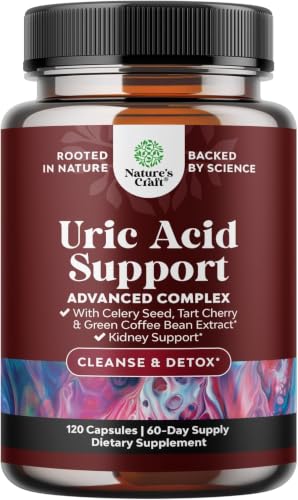
The formulation is notably transparent for a multi-herb capsule. It specifies five botanical ingredients, including their quantities, plant parts used, and inactive components. The manufacturer also claims that the capsules are vegan, gluten-free, non-GMO, dye-free, and free from common food allergens. Production is said to take place in an FDA-registered, GMP-certified facility, with each batch undergoing third-party testing for microbiology and heavy metals at ISO 17025-certified laboratories. However, these quality assurances cannot be independently verified through current product-specific certificates, recognized finished product certifications, or publicly available batch reports. The bottle is said to include a batch ID and expiration date to aid traceability, but consumers are not provided with a direct method to access corresponding test results. Additionally, there is no evidence of organic certification, agricultural sourcing certification, packaging specifications, recycling instructions, or claims of more environmentally friendly packaging.
This product is ideal for adults seeking a capsule-based herbal blend instead of beet juice or powder, who appreciate a fully detailed label, and who prefer to use it as a general wellness supplement rather than a precise nitrate supplement. The 60-day supply and recommended dose of two capsules once daily may suit individuals establishing a brief, specific routine. It is best suited for those who are not pregnant or nursing, do not take cardiovascular medications, and can consult a healthcare professional about the label if they have any health conditions.
This product is not ideal for individuals looking for a consistently dosed nitrate supplement for blood pressure control or exercise enhancement, as the exact nitrate content is not disclosed and varies according to the manufacturer. Those taking antihypertensive medications, nitrates, digoxin, anticoagulants, or antiplatelet drugs should consult a healthcare professional before use, since the blend contains beetroot, garlic, hibiscus, and hawthorn. It should be avoided during pregnancy and breastfeeding, and is not recommended for individuals under 18. Extra caution is advised for people with a history of kidney stones or heart failure.
The most significant indicator of quality is independent certification. Currently, NSF lists this specific chew under both NSF/ANSI 173 and Certified for Sport programs. These programs involve reviewing ingredient formulations and label claims, testing for contaminants and undeclared substances, auditing manufacturing facilities, and conducting periodic retesting of certified products. While this certification enhances confidence in the product’s declared ingredients and contaminant management, it does not provide a consumer-facing lot certification. The product’s formula is plant-based, and the manufacturer states that the beetroot used is non-GMO. However, there is no verified organic certification or publicly accessible supply chain certification for the beetroot. It is packaged in a flexible bag with individually wrapped chews, but details regarding recyclability or packaging material sustainability are not available. No relevant FDA recalls or warning letters have been identified from public sources, but a package-level test report has not been made accessible.
This product is ideal for adults seeking a convenient, chewable daily supplement that includes a modest amount of beet powder and grape seed extract, rather than a drink mix or capsule. It is especially suitable for those who prioritize independently certified supplement quality and, if applicable, banned-substance testing for sports. The product benefits individuals looking to support healthy circulation or heart-healthy energy within a balanced lifestyle, but it’s important to note that it is not intended to treat blood pressure, and its nitrate content is not specified.
This product is not appropriate for individuals looking for a precise nitrate supplement as part of a clinician-monitored blood pressure management plan, since the nitrate content is not specified. People taking antihypertensive medications, prescription nitrates, anticoagulants, or multiple other drugs should consult a pharmacist or healthcare provider about the full ingredients. Pregnant or nursing women, individuals with health conditions, or those with a history of calcium oxalate kidney stones should seek personalized medical advice. Additionally, it is not suitable for households that avoid added sugars or require publicly available batch testing reports.
The product contains beetroot powder and Enovita grape seed extract at specified per-serving amounts, encapsulated in a vegetable capsule with common capsule excipients. The packaging claims to be non-GMO; however, there is no evidence of a product-specific Non-GMO Project certification or organic certification in the publicly available records reviewed. Additionally, the exact capsule used for this product was not found in the public NSF, USP, or Informed Sport certification databases. No publicly available lot-specific certificate of analysis was identified for this product. As a result, its nitrate content and testing for heavy metals, microbes, and pesticide residues remain unverified for consumers. The container is compact for a 30-day supply, but there are no provided material specifications, recyclability instructions, or documented claims regarding packaging sustainability. Searches of public FDA recall and warning letter databases did not reveal any active, product-specific issues, though this does not substitute for independent finished-product testing.
This product is ideal for adults seeking a capsule-based beet supplement rather than beet juice or flavored powders, especially those who appreciate a clearly labeled, two-ingredient active formula. It is best suited for individuals using it as a dietary supplement to support overall circulation or exercise performance, rather than as a treatment for high blood pressure. The 30-day supply, with a recommended three-capsule daily dose, is suitable for those comfortable taking multiple capsules and able to consult a healthcare professional if they are taking medications or have health concerns.
This product may not be suitable for individuals seeking a precisely measured nitrate dose for a specific nitric oxide, endurance, or blood pressure protocol, as it does not specify nitrate content or provide public batch testing information. Those taking antihypertensive medications, nitrate-based drugs, or other medicines that could interact should consult a healthcare professional before use. Pregnant or breastfeeding individuals, children, and people with kidney disease or a history of kidney stones should not rely solely on the general warning on the label for safety advice, and should seek personalized medical guidance.
Beetroot is a potential dietary source of nitrate, and systematic reviews of human studies support modest benefits for blood pressure and exercise performance when nitrate is properly measured and supplied at significant doses. However, this product only lists beet powder in milligrams, so its nitrate content cannot be confirmed from the label. Although the formula is relatively simple, the online claim of third-party testing lacks access to a detailed, lot-specific report on the finished product, including information on identity, nitrate levels, metals, microbes, and pesticides. The brand describes the powder as organic, but no USDA Organic certification could be verified during the search. Additionally, no recognized third-party certifications from NSF, USP, or Informed Sport were found. There are no records of FDA recalls, warning letters, or clinical trials specific to this product in the official databases reviewed. The bottle is designed to provide a long shelf life with a single container, but details about the container material, recycled content, recyclability, or overall packaging sustainability are not provided.
This product is designed for adults seeking a straightforward, capsule-based beetroot powder routine, avoiding the need to mix juice or powder. The 200-capsule package is ideal for those planning to take the recommended two capsules per day, providing approximately 100 days of supply. It is best suited for individuals using a general dietary beet supplement and who are comfortable with the fact that nitrate intake may vary, rather than those requiring a precise nitrate dose for specific training or blood pressure management.
This product is not ideal for athletes looking for a consistently timed performance supplement, as its nitrate content is neither disclosed nor verified. Individuals managing high blood pressure, taking antihypertensive or nitrate medications, pregnant or nursing women, and those with a history of calcium oxalate kidney stones should consult a healthcare professional for personalized advice before using beet supplements. Additionally, it is not suitable for consumers who need published lot-specific contaminant testing or certified independent verification of the finished supplement.
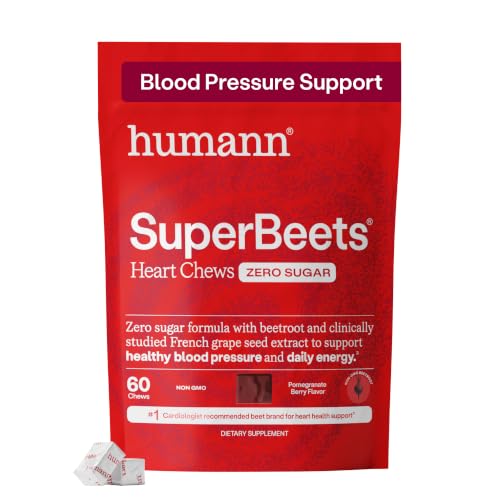
HumanN specifies that each serving contains 150 mg of grape seed extract and 500 mg of beetroot powder. The grape seed extract dosage aligns with an ingredient study; however, the product has not independently demonstrated the ability to replicate those study results. According to HumanN, the chews undergo third-party testing for purity and potency. Nonetheless, it is not possible for consumers to publicly verify a package lot against a recent independent certificate of analysis. Additionally, searches of FDA recall and warning-letter resources did not reveal any current FDA actions related to this product. HumanN describes the beetroot as non-GMO and sustainably sourced. These claims are made by the manufacturer and are not certified organic nor independently verified through supply-chain documentation. The product is packaged in a flexible pouch with individually wrapped chews, but no specific recycling instructions or documentation regarding material reduction could be found. The product's claim of zero sugar pertains to total sugars, although the chews contain maltitol syrup and sustainable palm oil.
This product is designed for adults seeking a portable chew as an alternative to beet juice or powder, particularly for those who prefer to avoid added sugars. It is most suitable for individuals looking for a daily wellness supplement containing approximately 150 mg of grape seed extract, which is supported by a published human study. Please note that it is not intended to replace blood pressure medication. Buyers should be comfortable with the fact that the final formula testing and the beet nitrate content are not publicly disclosed.
This product is not recommended for individuals taking prescription blood pressure medications, nitrate drugs, or multiple cardiovascular supplements without consulting a healthcare professional, as it is marketed for supporting circulation and healthy blood pressure. Those with a history of calcium oxalate kidney stones, pregnant or nursing women, or individuals with a medically managed condition should seek personalized medical advice, as the general warnings may not address their specific needs. Additionally, it may not be suitable for people who avoid sugar alcohols or experience digestive issues from maltitol.