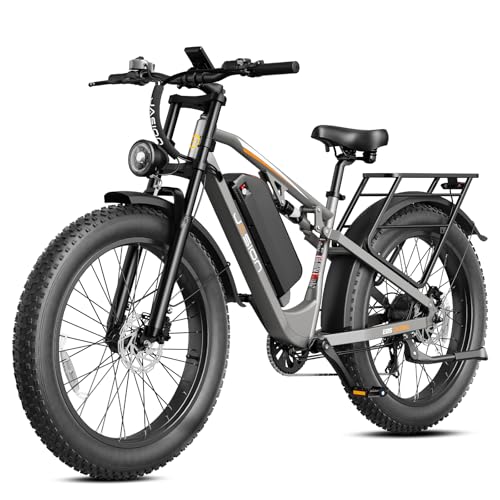
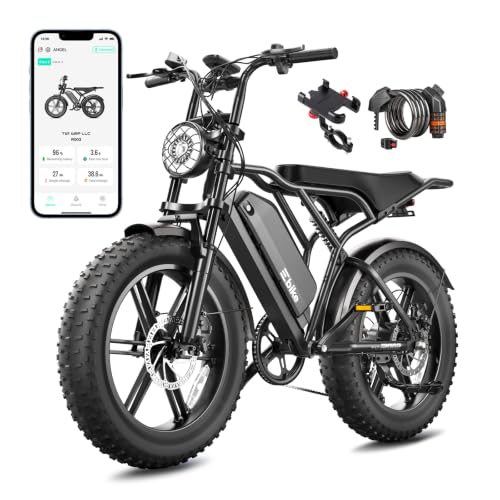
Jasion EB5 MAX Electric Mountain Bike
Robust motor for powerful uphill rides.
Long-lasting battery extends travel range.
Durable frame designed for rugged terrains.
We compared the top Electric Bike products so you can quickly spot the strongest options for value, features, and everyday performance.
Robust motor for powerful uphill rides.
Long-lasting battery extends travel range.
Durable frame designed for rugged terrains.
Impressive 80-mile range for long rides.
Powerful 750W motor for extra speed.
Hydraulic disc brakes ensure safe stopping.
Smooth ride with reliable pedal-assist feature.
Long-lasting battery for extended commuting distances.
Sturdy build ensures comfortable and safe travels.
Powerful 1000W motor for smooth rides.
Convenient USB port for phone charging.
Versatile 7-speed gear for varied terrains.
Powerful 1500W peak motor for smooth rides.
All-terrain dual suspension enhances comfort and control.
Impressive 60-mile range on a single charge.
Fast top speed of 28 MPH.
Long range up to 55 miles.
Powerful 1200W brushless motor.
Powerful 1500W motor for excellent performance.
Long 60-mile range on a single charge.
Full suspension ensures a smooth ride.
Impressive 80-mile range for long adventures.
Full suspension for a smoother ride experience.
Powerful 1350W peak motor enhances speed and performance.
Long-range battery for extended rides.
Foldable design for easy storage.
Fat tires provide excellent stability.
Adjustable speed modes for safe riding options.
Long-range battery ideal for extended playtime.
Sturdy build suitable for young riders.
An electric bike integrates traditional bicycle features—such as pedals, gears, brakes, and steering—with a rechargeable battery, motor, and electronic controls. The motor can offer pedal assistance, throttle power, or both. The key to a quality product lies not in a single specification but in ensuring the electrical system is safe and traceable, its mechanical parts are roadworthy, the assistance level suits the riding environment, and its performance claims are realistic.
Begin by evaluating the entire electrical system: battery, charger, motor, and controller. The strongest verification is an independent, searchable UL 2849 certification for the specific configuration sold, available through UL Solutions Product iQ, the Intertek ETL directory, or the CSA product database. Statements like “UL compliant” or “UL certified” on a product page do not necessarily mean the product is officially listed. Battery safety further requires matching battery and charger models, proper replacement parts, correct charging and storage instructions, and, where accessible, UL 2271 certification for batteries and UN 38.3 transport-test documentation. Never assume that a charger with the same plug appearance is interchangeable for different models.
Mechanical safety is equally important. Look for documentation covering brakes, frame, fork, wheels, pedals, guards, lights, and reflectors that meets CPSC bicycle standards specified in 16 CFR Part 1512. A manufacturer’s General Certificate of Conformity and independent, model-specific testing provide more assurance than just feature descriptions. While hydraulic or disc brakes, suspension, and bright lighting are beneficial features, their presence alone does not confirm compliance or effective stopping power.
Performance labels can be misleading. For example, “1,500 watts” may refer to peak power rather than continuous output; some products display conflicting wattage figures. A claimed top speed of 28 mph or over 30 mph often exceeds the federal definition of a low-speed electric bicycle, which limits power to under 750 watts and speed to less than 20 mph under motor power alone. It’s important to verify speeds, throttle-only modes, pedal assist, motor ratings, payload capacity, and settings separately against local and state regulations. Also, range estimates depend heavily on variables such as rider weight, assist level, terrain, weather conditions, tire pressure, wind, and cargo. A disclosed testing condition for range is more reliable than an unqualified maximum distance claim.
A practical e-bike should match your riding style. Features like operable pedals, adjustable assistance, and gears facilitate active riding; throttle-only models do not support pedaling efforts in the same way. Consider the bike’s weight, fit, payload capacity, terrain suitability, charging requirements, and whether you can lift or store it safely. Additionally, ensure the seller is a reputable U.S. business, provides accessible warranty support, can trace serial numbers, issue recall notices, and offer practical solutions in case of battery or controller failures.
Review notes highlight some consistent concerns: no comprehensive independent certification was verified for any conventional e-bike model, battery takeback programs were generally missing, and several products provided conflicting information regarding speed, wattage, battery capacity, payload, range, or warranties. Products claiming speeds above 20 mph or throttle-only operation should be checked against local classification laws. Large lithium-ion batteries must not be disposed of with household trash or curbside recycling. Children’s throttle vehicles and high-speed dirt bikes are not standard pedal-assisted bikes and may not be legal for public roads without checking specific regulations. Buyers seeking verifiable certifications, clearly identified replacement parts, or documented compliance should consider the absence of these records as a reason to continue their search.

The following topics emphasize the important evidence related to charging, riding, maintaining, and ultimately disposing of an e-bike. The scores evaluate the products based on this specific evidence, rather than on factors like price, popularity, or customer reviews.
This assesses whether the specific combination of the battery, charger, motor, and control system has been certified to UL 2849 by an accredited testing organization. This is important because e-bikes are charged indoors and contain high-energy lithium batteries along with electronic components. Among the products evaluated, scores ranged from 70 to 78; higher scores indicated more robust certification evidence, though most reviews still noted that an exact public listing could not be confirmed.
This assessment evaluates the compatibility of battery and charger identifiers, safety documentation for cells and packs, replacement procedures, and explicit instructions for charging and storage. It is important because using incompatible or unsupported components can lead to safety hazards such as charging issues or fires. Scores ranged from 54 to 76, with higher-rated products providing clearer guidance on chargers, information about removable batteries or replacements, while lower-rated products often had inconsistent capacity claims or lacked identifiable components.
This assessment provides documented evidence for components such as brakes, frame, fork, wheels, pedals, guards, lights, and reflectors according to U.S. bicycle standards. These features are crucial for ensuring that a powerful, heavy e-bike can be safely operated and properly visible. The scores ranged from 63 to 73, with higher scores typically associated with the presence of documented disc or hydraulic brakes and lighting. However, reviews consistently pointed out that the feature claims did not reflect independent compliance or braking tests.
This evaluates whether the motor output, throttle operation, assisted speed, payload capacity, and terrain restrictions are explicitly specified and legally understandable. This is important because many products on the market claim speeds exceeding the federal low-speed threshold. Scores ranged from 50 to 80, with higher scores indicating a clearer distinction between nominal and peak power or well-defined riding limits. Lower scores suggest ambiguous throttle speeds, adjustable limits, or conflicting specifications.
This assesses whether the design facilitates genuine pedaling and adjustable assistance without making any medical claims. Pedal assist can enhance the accessibility of regular riding, but actual activity levels depend on the assist setting, terrain, and the rider’s pedaling effort. Scores ranged from 15 for throttle-only scooters to 80 for bikes equipped with torque and cadence sensing. Features such as pedals, gears, and multiple assist levels contribute to higher scores compared to lower-scoring models.
This evaluates whether a reputable U.S. company offers warranty support, serial or lot tracking, and practical recall solutions. It is important because issues with the battery or controller might arise after purchase. The scores ranged from 70 to 78. Products with higher scores offered more transparent warranty details, support options, registration, or serial information, while lower scores indicated limited market availability, shorter warranties, or unclear repair responsibilities.
This metric assesses whether the brand offers a practical U.S.-based option for repairing, collecting, or recycling large lithium-ion batteries. It is important because e-bike batteries should not be disposed of in trash or curbside recycling. Scores ranged narrowly from 68 to 70, indicating that no product provided a robust, brand-managed takeback program. Consumers should consider using a certified battery recycler or household hazardous waste program prior to purchasing.
This metric assesses the availability of replaceable batteries, chargers, controllers, brake parts, and service documentation over a specified period. It is important because being able to replace common components helps keep heavy e-bikes operational and prevents unnecessary early e-waste. Scores ranged from 60 to 78, with higher scores indicating the availability of replacement batteries, manuals, and maintenance guidance. Lower scores signified missing part identifiers, incomplete catalogs, or limited warranty coverage.
This evaluates whether claims about range, speed, motor power, and load clearly differentiate between peak and nominal values, and whether test conditions are disclosed. It is important because factors such as rider weight, assist level, terrain, temperature, and speed can significantly impact an e-bike’s performance. Scores ranged from 48 to 76. Products with higher scores clearly distinguished between riding modes or specified test conditions, while lower-scoring products showed inconsistent figures regarding wattage, battery capacity, range, or payload.
This evaluates accessible, model-specific certification documentation, such as accredited laboratory reports, General Certificates of Conformity, or other third-party evidence. The importance of this measure lies in the fact that seller claims alone cannot reliably prove the safety or performance of the delivered product. Most products scored between 68 and 72, with the highest score reaching 72. The narrow range indicates a key issue within this assessment: independent verification was generally inadequate, even when marketing claims were prominent.
Pedal-assisted e-cycling provides a significant opportunity for physical activity when the rider actively pedals. Systematic reviews indicate that e-cycling typically reaches at least moderate intensity but generally requires less effort than traditional cycling. This product’s features, including its pedals, assist settings, and seven gears, support this type of use. However, it is not categorized as a medical device, and its health benefits depend on actual riding duration and the level of assistance used. The user manual offers helpful instructions for battery maintenance, such as charging only within the temperature range of 0°C to 40°C, using the included charger, and preventing battery damage. It also advises against water exposure and unauthorized modifications. Certification checks did not find evidence of independent public listings for this specific electrical system. Although no recalls for this product were identified in CPSC recall resources, there is no evidence of a brand-specific battery take-back program. The battery should not be disposed of in household trash or curbside recycling; instead, the EPA recommends using specialized battery recycling facilities or hazardous waste programs.
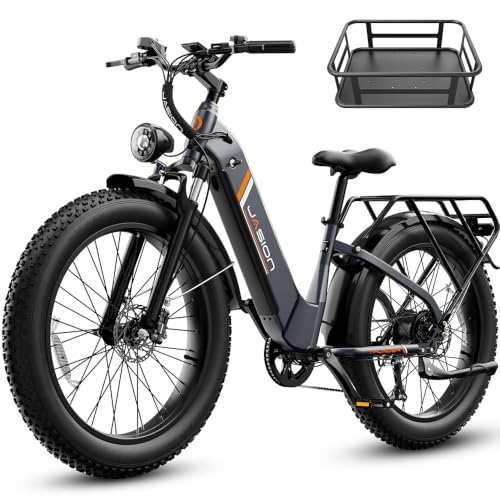
This product is ideal for an adult rider seeking a heavy-duty, fat-tire utility bike designed for low-speed riding on private property, rural areas, or mixed surfaces. It can safely accommodate the storage, lifting, charging, and maintenance of an 83-pound bicycle. It is particularly suitable for those who value features such as a removable battery, rear rack, fenders, mechanical gears, and adjustable pedal assist. The rider should follow the manufacturer's pre-ride procedures, including brake checks, tire inspection, battery security, and charging. Additionally, before using the bike's higher-speed modes on public roads, the rider should confirm local regulations regarding classification, registration, helmet requirements, and access rules.
This e-bike is not suitable for households that require independently verified electrical fire certification before bringing it indoors, near sleeping areas, or into multi-unit residences. It is also not ideal for riders who need a lightweight bike for navigating stairs, public transit, frequent loading onto car racks, or easy recovery after a fall. Children and riders under 16 should not use it, as per the manufacturer's instructions. Those planning to commute mainly in bike lanes should select a model with motor power and top speed that comply with their local e-bike regulations.
Electric bikes with pedal assistance can promote active transportation. Systematic reviews indicate that riding e-bikes typically involves at least moderate-intensity exercise, although the effort required is less than on a traditional unassisted bicycle. The health benefits depend on how frequently and actively the e-bike is used. The product's pedals, gearing, and adjustable assist features make such active use feasible. It appropriately does not make any medical claims. Regarding electrical safety, more detailed evidence is needed beyond the marketing claims alone. Jasion states that its e-bikes comply with UL 2849 and UL 2271 standards; however, the reviewed information did not include a verifiable product-specific listing or linked component certifications. The battery, with a capacity of 864 Wh, is large and should never be disposed of in household trash or curbside recycling. EPA guidelines recommend using dedicated battery or electronic waste collection services. While Jasion offers a one-year warranty on the battery, no specific U.S. takeback or recycling program for the brand was identified.
This product is designed for adult riders seeking a heavy, full-sized fat-tire e-bike ideal for short to medium mixed-surface journeys. It offers secure ground-level storage and is suitable for riders who prefer to review local e-bike regulations before riding. The adjustable pedal assist and seven gears cater to those who enjoy pedaling rather than solely relying on the throttle. It is most suitable for riders between 5 feet 2 inches and 6 feet 3 inches, assuming they can handle the bicycle's weight of 82 pounds during parking, transportation, and maintenance.
This product is not suitable for households that require official electrical certification for a specific battery, charger, and bicycle setup, including those subject to local UL listing regulations. It is also not ideal for apartment residents who need to carry their bike upstairs, riders looking for a clearly defined low-speed e-bike configuration, or individuals without a safe, dry place to charge. Riders needing verified range, independently tested payload capacity, or easily available replacement batteries and electronic components will need more detailed, product-specific documentation.
Electric bikes equipped with functional pedals can promote active transportation. Systematic reviews indicate that e-cycling typically achieves significant physical activity levels and may enhance cardiorespiratory health, although evidence regarding broader health benefits remains limited. The user manual for this product supports active use by enabling pedal operation and adjustable assistance; however, it does not imply medical benefits or specific fitness improvements. The manual advises owners to use the original battery and charger, protect the terminals, store the bicycle in a dry environment at temperatures between 50°F and 77°F, and avoid using damaged batteries. These precautions are helpful for safety and device longevity. Additionally, the brand recommends recycling batteries locally but does not specify a product-specific takeback program. Lithium-ion batteries should not be disposed of with household trash or curbside recycling. The product’s full-system UL certification and separate battery certification could not be independently confirmed from publicly available records. Buyers are encouraged to verify certification markings upon receipt and keep the original charging equipment for safety and compliance.
This product is designed for adult riders taking shorter paved-road trips who desire throttle assistance while still pedaling. It is ideal for individuals comfortable handling a bicycle weighing approximately 55 pounds, performing regular tire, brake, and fastener inspections, and scheduling professional assembly or early tune-ups. Additionally, it is suitable for riders who can remove the battery for charging in a dry, climate-controlled environment and who will check the device’s label, speed setting, load capacity, and certification mark upon delivery.
This bike is not suitable for households that need independently verified comprehensive electrical certification before indoor e-bike charging, as such verification has not been provided for this specific setup. It is also not ideal for riders expecting a consistently documented 50-mile range, riders requiring a clearly specified high-speed classification, or anyone who cannot lift and secure its heavy removable battery. Do not consider it a replacement for a cargo bike, an off-road bicycle, or a maintenance-free transportation option.
The product is designed to support active travel by including pedals and offering five levels of electric assistance. Research on e-cycling generally indicates that it can provide meaningful physical activity, though typically less intense than traditional cycling. However, this evidence relates to regular riding habits and does not guarantee specific health outcomes from this product. No medical benefit claims have been identified for this model. The removable battery may facilitate easier service and off-bike charging. Nonetheless, there is no publicly available model-specific battery certification, cell documentation, transport test summary, or brand take-back plan. The user manual advises using the original charger and keeping the charging port covered when not in use. At the end of its life, the battery should not be disposed of in trash or curbside recycling. Instead, it should be taken to a qualified e-bike battery collection point or household hazardous waste facility. If the battery pack is damaged, contact the brand for guidance.
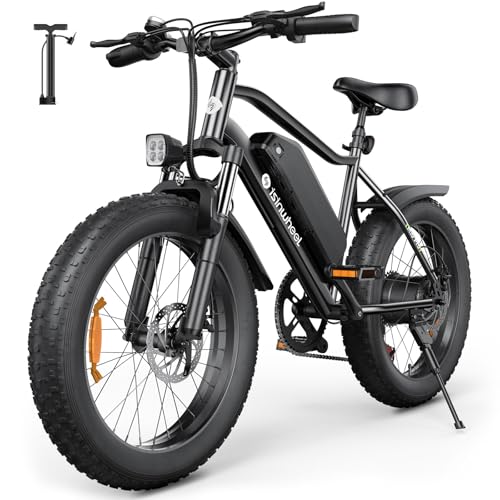
This product is suitable for adult recreational riders or short-distance commuters seeking a compact fat-tire e-bike. It can support a weight of up to 61.7 pounds and is designed for pedaling, rather than relying solely on throttle power. Ideally, it should be used where the battery can be easily removed, inspected, and charged indoors in a dry, attended area using the included charger. Riders should be comfortable with checking fasteners, installing the wheels, adjusting reflector placement, verifying brake functionality, and understanding local e-bike regulations before regular riding.
This product is not suitable for households that require independently verified electrical fire certification before storing or charging an e-bike indoors, such as apartment residents subject to building regulations. It is also not ideal for riders who need reliable performance in wet conditions, as the water resistance claims contradict the warnings about using the bike in wet environments. Buyers who need a clearly defined federal classification for low-speed e-bikes should carefully review local regulations, as the manual specifies a 750 W power limit and a 20 mph throttle, whereas retail materials often claim a top speed of 22 mph and a peak power of 1,000 W.
Pedal-assisted cycling can provide significant physical activity whenever the rider pedals. Systematic reviews indicate that e-cycling typically reaches at least moderate intensity levels, although it generally requires less effort than traditional cycling. This product features pedals, seven gears, and adjustable electric assistance as described in its manual, making active use feasible. However, it should not be considered a medical device or a replacement for personalized health advice. The manual includes important safety instructions for the battery, such as using the provided charger, avoiding flammable materials, not charging unattended, inspecting for damage, and storing the battery pack in a cool, dry place. Nonetheless, there is no independently verified certification for the complete electrical system, and no specific battery take-back plan was found for this model. According to EPA guidance, lithium-ion batteries should not be disposed of in household trash or curbside recycling. Additionally, the manual lacks an easily accessible battery testing overview or clear instructions for identifying or replacing the battery.
This product is suitable for adult riders roughly between 5'2" and 6'3" in height who are looking for a small-wheel, fat-tire pedal-assist bike for short, controlled rides on dry, paved, or firm surfaces. Riders should be comfortable with assembling the bike and performing regular maintenance checks, as it weighs approximately 70.5 pounds. They should also follow detailed battery safety instructions. The bike’s recommended weight limit is 265 pounds, which should be considered a conservative maximum. It is best suited for riders with a secure indoor space for charging and storage, rather than those who need to charge in shared hallways, near combustible materials, or outdoors.
This product is not suitable for children, passengers, jump riding, or those seeking a dirt-bike alternative. The manual specifies that only adult riders should operate it and advises against jumps, loose terrain, rain, mud, snow, and overloading. Riders weighing near or above 265 pounds should not rely on the maximum load capacity claimed, as the available documentation is inconsistent. Additionally, it is not appropriate for buyers who need independently verified electrical fire certification, documented U.S. bicycle compliance, a clearly outlined replacement battery program, or a confirmed recycling and recall process before introducing a large lithium-ion battery into their home.
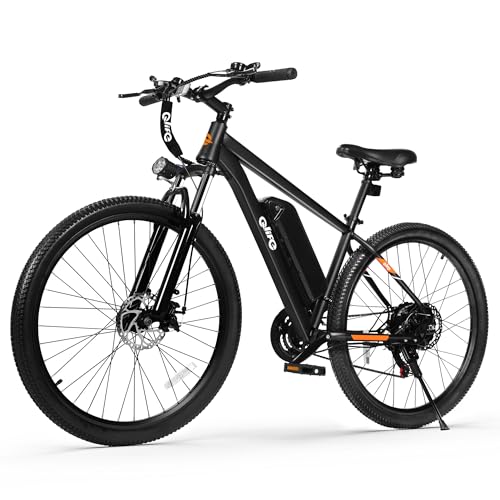
Pedal-assist e-bikes are capable of supporting active transportation. Systematic reviews indicate that riding with pedal assistance typically reaches at least moderate physical activity levels and may enhance cardiorespiratory fitness, although this does not guarantee health benefits for every individual. The bike's 21-speed drivetrain and pedal-assist modes make active pedaling feasible, whereas using the throttle can decrease the amount of pedaling involved. Qlife states that their battery pack has been tested to UL 2271 standards and the complete electrical system to UL 2849 by TÜV Rheinland. While these standards are relevant, specific public certificates for this model were not found in the registries checked. Qlife provides spare batteries and controllers, along with a one-year warranty and serial-number-based support. There is no indication of a brand-specific battery collection program. When batteries reach the end of their life, they should be kept out of trash and curbside bins, with terminals protected and recycling arranged through a specialized recycling program.
This product is ideal for adult riders looking for an affordable, pedal-assisted electric bike suitable for mixed paved surfaces, smooth trails, and light off-road riding. It is designed for those comfortable with performing final assembly and routine maintenance such as brake, tire, and drivetrain checks. The rider should also be able to charge the removable battery in a dry, secure location. The bike's 21 gears and adjustable pedal assistance are intended for active riding, rather than relying solely on throttle power. Before purchasing, users should verify local regulations regarding speed limits and access rules for their state, city, campus, trail, or apartment complex.
This product is not suitable for households that require independently verified, model-specific proof of electrical and mechanical compliance before bringing a lithium-ion e-bike indoors. It is also not ideal for young or inexperienced riders who may be attracted to its 28 mph pedal-assist feature, or in areas where e-bikes with throttles that exceed standard bicycle speeds are restricted. Riders seeking certified mountain-bike durability, permission for all-weather charging, access to a local service network, or a clear battery recycling program should look for documentation that specifically addresses these requirements.
Pedal assist can support active transportation when the rider pedals. Systematic reviews indicate that e-cycling typically reaches at least moderate intensity and can boost overall physical activity, though it is generally less strenuous than traditional cycling. The product's pedals, adjustable assist levels, and seven gears make its use feasible, but the bike itself has not undergone clinical testing, and no medical benefits should be expected from it. The primary safety concern relates to the quality of evidence. TST states that the matching platform is UL 2849 certified; however, public accredited listing directories do not verify the electrical system configuration sold. TST provides contact details in the U.S. and sells replacement batteries, chargers, displays, controls, and brake parts. No dedicated battery recycling program was identified. According to EPA guidance, lithium-ion batteries should never be disposed of in household trash or curbside recycling, and damaged batteries require manufacturer-specific handling instructions.
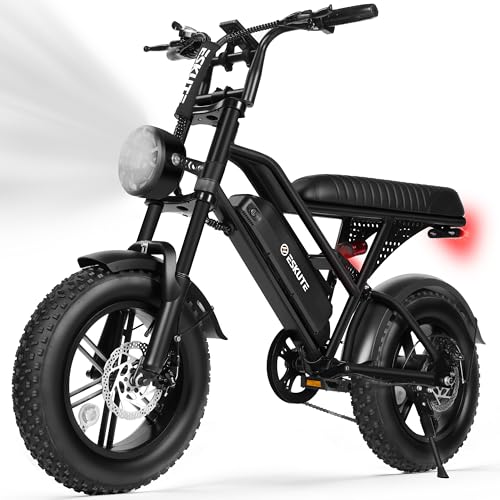
This vehicle is ideal for adult riders seeking a compact, seated fat-tire platform suitable for short private-property rides, mixed-surface terrain, or low-speed local trips. Riders should check local vehicle regulations before riding on public streets or trails. It is best suited for individuals comfortable with regular bike maintenance, such as checking tire pressure, adjusting brakes, inspecting fasteners, and safely supervised charging. The readily available replacement parts catalog is valuable for owners who prefer to perform routine maintenance on common wear items.
This option is not ideal for riders who require documented, independently verifiable electrical certification for shared indoor charging areas such as apartments, workplaces, or schools. Additionally, it is not suitable for buyers seeking a clearly defined federal low-speed e-bike configuration for public pathways, as the published motor and speed specifications exceed those limits or do not specify throttle-limited speeds. Do not consider the 450 lb load capacity as independently confirmed, and avoid using it for carrying children unless proper, separately verified seating and restraint systems are in place.
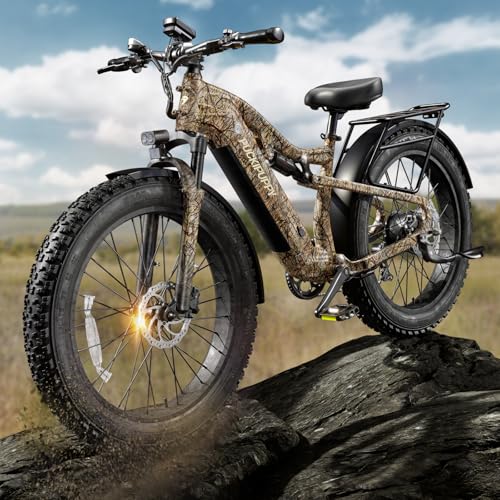
Pedal-assisted cycling encourages active travel. Systematic reviews indicate that e-cycling generally provides at least moderate physical activity, although it typically requires less effort than traditional cycling. This product features operational pedals, multiple gears, and sensors for torque and cadence, enabling it to support pedaling rather than functioning solely as a throttle-controlled vehicle. The manufacturer does not make any medical outcome claims as referenced in the reviewed materials. The safety claim regarding electrical components is significant but remains in the manufacturer's statement, as no official public certification for the specific configuration sold could be found. PUCKIPUPPY advises users to utilize the provided charger and to charge or store the battery in a dry location, away from flammable materials. The warranty covers replacements for batteries, chargers, controllers, motors, and many mechanical parts. However, no takeback or recycling plan from the manufacturer was identified. Depleted or damaged lithium-ion batteries should not be disposed of in trash or curbside recycling; instead, they should be taken to an appropriate battery or household hazardous waste collection facility.
This product is designed for adult riders who plan to pedal, seek assistance on mixed surfaces such as pavement, gravel, or light trails, and are capable of safely handling an approximately 85.7-pound bicycle. The recommended rider height range is from 5 feet 4 inches to 6 feet 6 inches. Featuring full suspension, fat tires, hydraulic brakes, and an 8-speed drivetrain, it is ideal for riders navigating uneven roads or hills. Additionally, it is suitable for users with a protected, dry charging area and who will use only the provided charger, while also ensuring the payload markings on the delivered bicycle are checked.
This product is not suitable for households that are unable to safely charge and store a large lithium-ion battery away from exits, heat sources, damage, and flammable materials. Additionally, it is not appropriate for riders who require a lightweight bicycle to carry upstairs, lift onto a vehicle rack, or navigate through tight storage spaces. Anyone intending to use high-speed throttle, engage in technical mountain biking, or carry loads close to the specified payload limit should only proceed after reviewing local e-bike regulations, the product label, and the weight limit outlined in the manual.
Electric bikes equipped with functioning pedals and pedal assistance can promote physical activity. Systematic reviews indicate that e-cycling generally reaches at least moderate intensity and may enhance fitness, although there is limited evidence regarding long-term health benefits. This product features pedals, seven gears, and pedal assist, enabling active travel primarily through pedaling rather than relying mainly on the twist throttle. The manufacturer claims UL 2849 certification for the E7 platform; however, this certification could not be independently verified through public UL, ETL, or CSA records regarding the electrical system. There is no available information on a brand-specific battery takeback or recycling program. It is important to note that a large lithium-ion battery should not be disposed of in trash or curbside recycling. Instead, it should be taken to a household hazardous waste facility or a qualified electronics recycling center, following local disposal instructions. The warranty and support contacts provided suggest a way to address parts-related inquiries, but the limited coverage duration and lack of a public parts catalog reduce confidence in the product’s long-term durability.
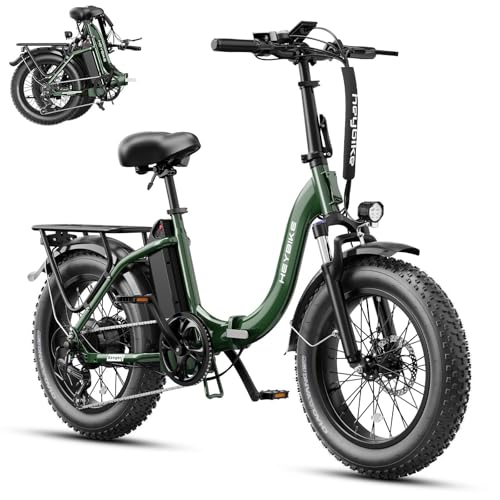
This bike is ideal for adults seeking a compact, space-saving device for short to medium distances. It features secure ground-level storage and is capable of handling a roughly 70-pound weight without the need for frequent upstairs transport. It is especially suitable for riders who prioritize a removable battery, wide tires, suspension, and pedal-assist options over lightweight portability. Buyers should be prepared to check local regulations regarding classification, required equipment, helmet laws, registration, insurance, and riding area restrictions before utilizing its maximum speed capabilities.
This product is not ideal for apartment residents who need to carry a folded bike up stairs, transit users requiring a truly portable folding bike, or riders seeking independently verified electrical system certification. Additionally, it is unsuitable for households that cannot charge and store a large lithium-ion battery in a dry, attended area that does not block exits. Buyers expecting unrestricted access to bike paths or a nationwide no-license requirement should select a model that clearly meets the federal low-speed electric bicycle standards and should verify their local regulations.
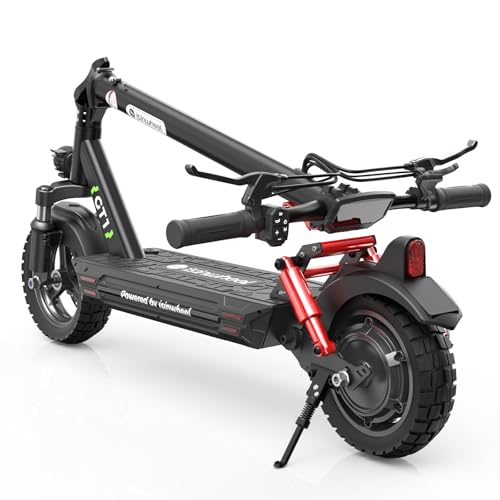
The primary health consideration is injury prevention rather than exercise. The product is powered by a throttle and lacks functional pedals, so it does not provide the pedaling activity typical of traditional or pedal-assisted bikes. Hiboy’s user manual offers practical safety tips, including the use of an adult-operated charger, only using original battery and power components, charging in a dry environment, and wearing helmets and protective gear. The three-speed settings are designed to help new adult riders start at a lower speed. The lithium battery requires careful planning for its end-of-life disposal. Hiboy recommends following local regulations for disposing of used batteries and states that replacement batteries and chargers are available, which can help prolong the device’s usability. However, the brand does not specify a dedicated collection or take-back program within the U.S. for this model. The EPA advises that lithium-ion batteries and devices containing batteries should not be thrown in household trash or curbside recycling. Instead, they should be taken to an appropriate battery recycling facility or household hazardous waste collection point.
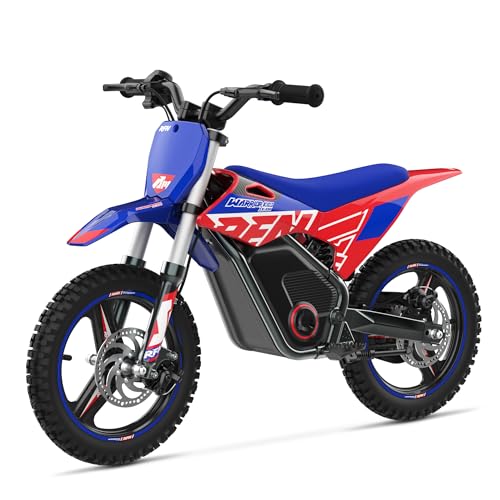
This product is designed for households with a young child, aged 3 to 10, who is closely supervised and will ride on private property or other authorized, open, low-traffic areas. The rider should be comfortably under the 140-pound weight limit, wear a properly fitted helmet and protective gear, and begin riding at the 5 mph setting. It is suitable for families who can store the bike indoors, keep the charging area dry, and have an adult handle charging, as well as regularly check the tires, brakes, and handlebar fasteners.
This product is not suitable for children who need a pedal bicycle, a road-legal e-bike, or an unsupervised toy. Families without a dedicated controlled riding area should avoid using it on sidewalks or public roads, as it can reach a manufacturer-specified speed of 15.5 mph and does not have fully operational pedals. Additionally, it is not appropriate for situations where adults cannot supervise charging, inspect for damage after falls, or ensure the battery-powered device stays cool and dry indoors. Riders weighing around or over 140 pounds, or those planning to go on steep inclines, stairs, jumps, navigate traffic, or ride in wet conditions during charging, are beyond the recommended safety limits and instructions.