Morning Pep Monk Fruit Sweetener Classic
Perfect for keto with zero calories.
Non-GMO and OU Kosher certified.
Ideal 1:1 sugar replacement for baking.
We compared the top Sugar Substitutes products so you can quickly spot the strongest options for value, features, and everyday performance.
Perfect for keto with zero calories.
Non-GMO and OU Kosher certified.
Ideal 1:1 sugar replacement for baking.
No aftertaste enhances culinary experiences.
Zero net carbs suit keto diets well.
Vegan-friendly for diverse dietary needs.
Made from pure birch, not corn.
No aftertaste enhances flavor enjoyment.
Keto-friendly and gluten-free option.
100% pure monk fruit, no fillers.
USDA organic and non-GMO certified.
Zero calories, perfect for keto diets.
Zero calories, perfect for weight management.
Non-GMO and keto certified for peace of mind.
Pure allulose with no erythritol or fillers.
Zero calorie, perfect for calorie-conscious diets.
No aftertaste, enhances flavor naturally.
Ideal for keto, vegan, and non-GMO needs.
Natural birch source provides authentic sweetness.
No erythritol means no cooling aftertaste.
Low glycemic impact suits sugar-free diets.
No aftertaste for a natural sweetness experience.
Zero calories support healthy, guilt-free indulgence.
Ideal 1:1 sugar substitute for versatile use.
Zero calorie, perfect for keto and vegan diets.
No erythritol, avoiding digestive discomfort.
1:1 sugar substitute, easy for baking.
Perfect for keto and vegan diets.
Browns like traditional sugar in recipes.
Zero calories and non-glycemic impact.
Sugar substitutes can decrease or replace the sweetness of table sugar, but not all behave in the same way. Some are high-intensity sweeteners such as monk fruit, stevia, and saccharin, used in very small quantities. Others provide bulk and can be measured similarly to sugar, including allulose, erythritol, xylitol, and various blends. The effectiveness of a product depends on more than just sweetness; the formulation should suit its intended use, the serving size should be clear, and the label must accurately describe calories, carbohydrates, sugar alcohols, texture, and volume.
When evaluating these products, always start by reviewing the complete ingredient list rather than just the main ingredient. For example, a product labeled “monk fruit” may primarily contain carriers like erythritol, allulose, or maltodextrin. While ingredient order is important, it may not reveal exact proportions. Pure monk fruit and stevia extracts are highly concentrated and do not provide sugar’s bulk, browning, moisture, or structural qualities needed for baking. Therefore, a “cup-for-cup” claim is a performance statement, not a guarantee that the product can replace sugar in every recipe. Look for clear Nutrition Facts labels, serving sizes, instructions, and details on erythritol, allulose, other polyols, fibers, or carriers.
Calorie and carbohydrate figures on the label also need context. For example, allulose can be included in Total Carbohydrates but may be excluded from Total Sugars and Added Sugars according to FDA guidance, with a permitted 0.4 calories per gram. A zero-calorie serving may reflect rounding at small serving sizes rather than the absence of carbohydrate by weight. The amount of sugar alcohols matters because a product might be labeled as containing zero sugars but still provide significant amounts of erythritol or other polyols. For instance, saccharin packets often contain carriers like dextrose or maltodextrin; “zero calories” does not mean the product has no carbohydrate ingredients.
A credible product should have more than just “lab tested” or “clean” claims on packaging. For safety and purity, look for a current, lot-specific certificate of analysis from a recognized laboratory, detailing methods and results for identity, heavy metals, microbes, pesticides, and residual solvents. Independent accreditation, such as ISO/IEC 17025 certification through directories like ANAB, is a plus. For regulatory compliance, check FDA’s GRAS (Generally Recognized As Safe) notices and guidance on sweeteners and allulose, and review the current label. To verify certifications, consult reputable databases like the USDA Organic Integrity Database, Non-GMO Project, Orthodox Union, or similar certifying organizations. Claims without official registry records aren’t considered equivalent proof.
Also verify accountability: ensure the product comes from a responsible U.S. firm, check lot codes, expiration dates, and contact information, and review FDA recall, warning letter, and import alert records. Environmental claims should be scrutinized; specific details about packaging materials, resin codes, recycled content, ingredient sources, fermentation feedstocks, and disposal instructions are more meaningful than vague “eco-friendly” statements.
While no universal safety prohibition exists across these products, some cautions are common: larger quantities of allulose, erythritol, xylitol, and other sugar alcohols may cause bloating, abdominal discomfort, loose stools, or diarrhea; many products lack practical tolerance guidance; and xylitol can be deadly to dogs. Products bearing California Proposition 65 or lead warnings should not be considered fully safe without specific measured results. Individuals with medically managed diets, digestive sensitivities, pregnancy, kidney or cardiovascular issues, severe allergies, or gluten restrictions should not rely solely on marketing claims to determine suitability.

The topics listed below differentiate between a sweetener that is simply convenient and one whose formula, labeling, safety data, accountability, and environmental information can be verified. The scores are based on the reviews provided; they serve as comparative indicators rather than proof that any product is completely safe.
This evaluates whether the actual blend and serving size align with existing human safety evidence and appropriate intake guidelines, without making unsubstantiated claims about disease prevention or weight management. It is important because labels labeled as “zero calorie,” “keto,” or “diabetes control” often refer to marketing descriptions rather than confirmed health benefits. Products that scored higher typically featured well-defined servings and ingredients with FDA-approved food use status, whereas lower-scoring products often used vague formulations or made broad health claims alongside less reliable labeling.
This assessment evaluates whether a product correctly identifies allulose, erythritol, xylitol, other polyols, fibers, and serving sizes, providing practical guidance to help prevent predictable digestive discomfort. This is important because recipe portions can often be much larger than a teaspoon or scoop. Higher-scoring products clearly disclosed a specific serving size and, in some cases, provided a meaningful context for portion sizes. In contrast, lower-scoring products often failed to include tolerance warnings, even when the bulk of the product could deliver significant amounts of polyols or allulose.
This assessment provides independent, batch-specific confirmation that the powder or packets conform to the declared formula and comply with acceptable limits for heavy metals, microbes, pesticides, and residual solvents. The importance of this lies in the fact that a brand’s claim of testing ingredients does not specify what was tested or when. Overall, the scores across the evaluated products were generally low, as none of the products available had a publicly accessible, up-to-date batch report from a qualified laboratory, including details about testing methods and contaminant results.
This assesses whether claims such as allergen-free, gluten-free, vegan, keto, and free-from are accurate and supported by appropriate cross-contact controls or certifications. The significance lies in the fact that a brief ingredient list alone does not confirm the manufacturing process or safety measures taken. Products with higher scores provided clearer ingredient and allergen information, whereas those with lower scores depended on badges or retailer claims without publicly available cross-contact documentation. Additionally, one product's gluten-free claim conflicted with the manufacturer's admission that it had not tested for gluten.
This metric assesses whether the brand provides verifiable information regarding the origin of ingredients or fermentation feedstock, packaging materials and sizes, recycled content, and disposal methods. It is important because larger packaging options like a five-pound pouch, rigid jar, or box of 1,000 packets impose a different environmental impact compared to smaller containers. Scores were similar across products because most only disclosed limited details beyond the packaging format; the most transparent information was a manufacturer statement indicating that some pouches contain up to 47% post-consumer recycled plastic.
This evaluates whether all sweeteners, carriers, bulking agents, flavors, and processing aids are explicitly disclosed, rather than concealed under labels like “monk fruit” or “stevia.” This is important because ingredients such as erythritol and allulose influence the product’s bulk and how it is digestively processed, whereas concentrated extracts do not replicate the structural qualities of sugar. Products that received higher scores listed their ingredients and serving sizes clearly, while lower-scoring products either did not disclose ratios, had conflicting information on the packaging, or featured a prominent ingredient that masked the main carrier.
This assesses whether ingredients, Nutrition Facts, calorie labeling, ingredient order, and claims such as “sugar-free” comply with U.S. food regulations. It is important because allulose can be included in the Total Carbohydrate count while being excluded from Total and Added Sugars, and small servings can result in rounded zero-calorie labels. Products that received higher scores featured clear, internally consistent nutrition panels, while lower-scoring products displayed discrepancies, missing panels, or marketing language that conflicted with the listed carbohydrate information.
This assessment evaluates whether claims regarding blood sugar, keto usage, weight, dental effects, naturalness, baking, one-to-one replacement, or aftertaste are substantiated and supported at the product's actual selling dose. It is important because evidence based solely on individual ingredients does not confirm benefits for the finished product. Products with higher scores tend to make more specific, verifiable claims, whereas lower-scoring products often promote disease management or weight control, or claim equivalent performance on a cup-for-cup basis despite being concentrated extracts or containing conflicting ingredient information.
This metric evaluates whether credible claims are backed by up-to-date, product-specific evidence from an independent source, such as a traceable batch report, rather than vague "lab tested" assertions. It is important because the safety of contaminants and the accuracy of ingredient information cannot be determined from reviews or brand reputation alone. Most of the products tested received similar, generally low scores in this area, as none offered consumers a recent, accessible independent report linked to the specific lot.
This assesses whether claims such as Organic, Non-GMO, Kosher, Gluten-Free, Vegan, and similar labels can be verified through the issuing organization and are applicable to the current product. This is important because packaging badges may be outdated, self-issued, or only linked to a brand. Higher-scoring products typically have verification from reputable sources like the Orthodox Union or display a recognized certification mark. In contrast, lower-scoring products often lack up-to-date registry records or do not specify a certifier.
This assessment evaluates whether a product includes information about the responsible company, lot code, manufacturing date, and contact details, as well as whether appropriate safety measures are addressed. This is important because powders and packets require traceability in case of formulation issues or contamination. Products with higher scores typically provide a U.S. address and customer contact information, and no related public safety actions were identified during review searches. In contrast, lower-scoring products offered less comprehensive accountability. It's important to note that the absence of a recall does not guarantee the product's purity.
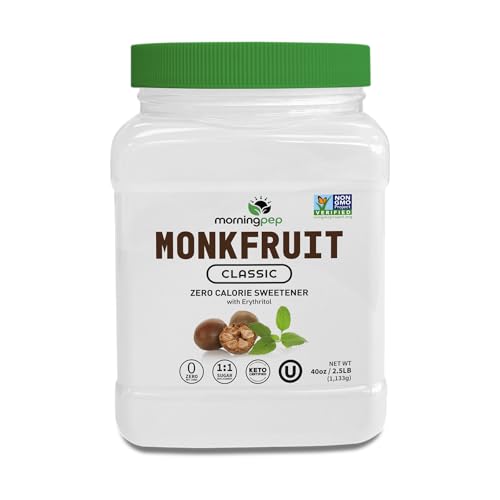
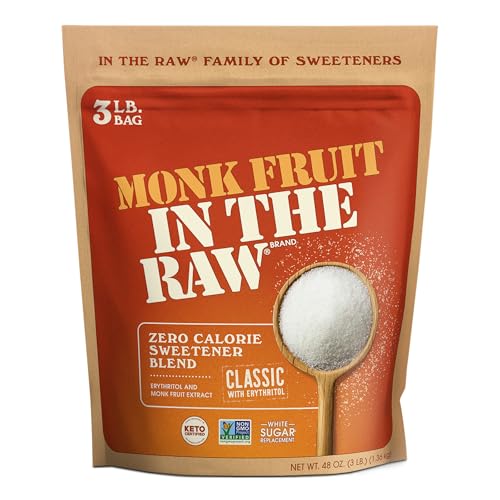
The key point to note is that this product is not simply monk fruit. Its label indicates it contains erythritol, a sugar alcohol used to add bulk and facilitate a cup-for-cup sweetener substitution. The FDA has not challenged the Generally Recognized As Safe (GRAS) status of monk fruit extracts when used as intended, and erythritol is commonly used in U.S. sugar substitutes. Human studies show that erythritol is generally well tolerated at moderate consumption levels, although large single doses may cause digestive issues in some individuals. It should not be regarded as a treatment for diabetes or as a proven long-term weight management solution. Additionally, the product displays the Non-GMO Project Verified label and is listed among Orthodox Union-approved sweeteners. However, there is no information available on lot-specific contaminant testing, package resin code, recycled content, disposal instructions, ingredient origin, or lifecycle assessment. The product is packaged in a sizable plastic container, but there isn’t enough information provided to assess its recyclability or sourcing footprint. Moreover, no relevant FDA recalls, warning letters, or import alerts were found in the reviewed sources.
This product is ideal for households seeking a large, granulated sugar substitute for frequent use in beverages and everyday recipes, and who are comfortable using erythritol. The manufacturer recommends a 1:1 substitution ratio, making it convenient for home bakers who prefer not to recalculate sweetness levels. Additionally, it features independently verified dietary markers, making it suitable for kosher consumers and those looking for a Non-GMO Project Verified product. It is best used as a sweetener rather than as a health remedy or weight management solution.
This product may not be ideal for individuals seeking a pure monk fruit product, as the label indicates the presence of erythritol in the blend. Those who have experienced digestive issues with polyols or who consume large quantities of sweeteners at once should look for clearer information regarding dosage and tolerance. People managing cardiovascular risk and wishing to avoid erythritol due to ongoing, inconclusive cardiometabolic research might prefer a different formulation. Additionally, households that require documented allergen cross-contact controls, comprehensive lot testing, or detailed information on source country and packaging may find this product less suitable.
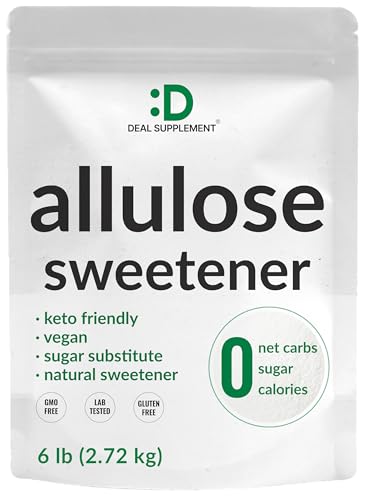
Allulose has a favorable regulatory status and human evidence supporting its use in ordinary foods. The FDA states that allulose provides approximately 0.4 calories per gram and has minimal effects on blood sugar and insulin levels. Human tolerance studies suggest that gastrointestinal responses are dose-dependent, meaning that the typical 4-gram scoop is a conservative serving size; however, larger portions or repeated consumption in recipes can lead to increased gastrointestinal effects. The brand does not include any public warnings regarding tolerance. The manufacturer claims that the powder is pure allulose, vegan, free from major listed food allergens, and made with Non-GMO ingredients. However, these claims are not backed by official certification or publicly available lot testing. No recalls or regulatory actions related to the product have been identified. Additionally, a private enforcement action in California in 2025 involved Deal Supplement over alleged lead or PFOA exposure from other products, but not this allulose powder. Information about packaging materials, recycled content, ingredient sourcing, fermentation process, or disposal practices has not been publicly disclosed.
This product is ideal for households that already tolerate allulose and regularly use a granular sugar substitute, enough to consume a 6-pound supply. Its designated 4-gram scoop is suitable for small quantities in coffee, tea, smoothies, sauces, and recipe testing. Individuals reducing traditional sugar or following vegan or keto diets may find the single-ingredient feature convenient. It is best suited for buyers who do not need a publicly available certificate of analysis for each batch purchased.
This product may not be suitable for individuals with a history of diarrhea, bloating, abdominal pain, or a strong sensitivity to poorly absorbed sweeteners, particularly if they tend to consume large portions in baked goods or drinks. Children and those with gastrointestinal conditions managed by a healthcare professional should not substitute the product page for personalized advice. Additionally, it is not recommended for buyers who need certified gluten-free, organic, kosher, or Non-GMO products, or for those who require up-to-date lot-specific reports on heavy metals and microbiological safety before using a bulk food powder.
At its stated serving size, this product contains xylitol, a sugar alcohol that provides fewer calories per gram than sugar. The FDA notes that sugar alcohols are absorbed slowly and incompletely by the body, which can lead to gas, bloating, and diarrhea in some individuals. The product information available does not specify a tolerance limit or warn against overuse. However, the manufacturer emphasizes that xylitol is not safe for pets. The brand claims that this product is derived from birch, made in the United States, kosher, non-GMO, and free from several common food ingredients. Nonetheless, these kosher and non-GMO claims could not be verified through any specific certification body or registry for this product. It is packaged in a large flexible bag, but there is no information on the package resin code, recycled content, disposal instructions, sourcing details, or lifecycle documentation. No recent FDA recalls or warning letters related to this product were found during the review, although no lot-specific testing records were available.
This product is ideal for households that already incorporate xylitol into their drinks or recipes and prefer a large pantry-sized bag instead of small packets. It is especially suitable for adults seeking a bulk amount of sweetness similar to sugar for use in coffee, tea, or baking, while also reducing calorie content per gram compared to sugar. The indicated teaspoon serving and approximately 566 servings can assist regular users in planning their quantities. Customers should start using it gradually, as tolerance to sugar alcohols varies significantly among individuals.
This product is not suitable for homes with dogs or other pets that might access the bag, as exposure to xylitol poses a serious health risk to animals. It is also not recommended for individuals who regularly experience bloating, abdominal discomfort, or diarrhea from sugar alcohols, particularly when consuming sweeteners multiple times throughout the day. People with diabetes should not consider this product a replacement for personalized glucose monitoring or medical advice. Additionally, customers seeking independently verified allergen controls, kosher certification, non-GMO status, or lot-specific contaminant testing should note that such documentation is not available publicly here.
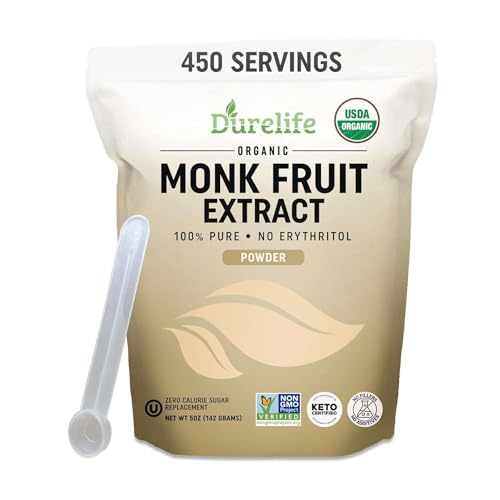
The primary health benefit lies in the product's straightforward formulation. The packaging clearly states that organic monk fruit extract is the sole ingredient and indicates zero calories per small serving. According to the FDA, they have not challenged the generally recognized as safe (GRAS) status of certain monk fruit extracts for their intended uses, although an acceptable daily intake has not been established for monk fruit. Additionally, the absence of erythritol and other sugar alcohols helps avoid common dose-related digestive issues. The packaging features several certifications, including USDA Organic, Non-GMO Project Verified, OU kosher, and Keto Certified. However, during this review, no current registry entries or public lot certificates of analysis for the product could be located. No recall notices or safety alerts related to DureLife were found in public sources; it's worth noting that not all recalls are publicly announced by the FDA. The product is packaged in a resealable flexible pouch, but the brand does not provide verifiable information regarding packaging materials, recycling practices, sourcing origins, or the product’s full lifecycle.
This product is ideal for adults seeking a highly concentrated, single-ingredient sweetener for beverages or recipes where bulk from sugar is not necessary. It is particularly suitable for individuals who intentionally avoid erythritol and other sugar alcohols, including those who have previously experienced difficulty tolerating polyol sweeteners. The 5-ounce pouch, offering approximately 450 labeled servings, is well-suited for occasional to regular home use, assuming the user is comfortable measuring very small quantities and does not require a one-to-one replacement for sugar in baking.
This product is not ideal for bakers who require sugar’s volume, browning, moisture retention, or texture, since concentrated monk fruit provides sweetness without the physical functionalities of sugar. Individuals with severe food allergies or strict cross-contact precautions should select a product that includes specific allergen and facility information. Buyers needing batch-specific data on heavy metals, pesticides, microbiological content, or potency should opt for a product that provides up-to-date third-party testing reports. Those managing diabetes should not rely solely on the brand’s health claims as personalized medical advice.
Allulose, also known as D-psicose, is permitted by the FDA to contain up to 0.4 calories per gram. The FDA's Generally Recognized As Safe (GRAS) notices include several approvals for D-psicose or allulose, supporting its status as a food ingredient. However, these do not confirm the specific contents or potential contaminants of this particular package. Human studies suggest that consuming larger amounts of allulose may cause side effects such as diarrhea, bloating, or abdominal pain, though no specific dosage warnings are indicated on the publicly available product information. The packaging displays the Non-GMO Project Verified and OU (Kosher) marks, along with claims that the product is keto-friendly and gluten-free. The official certification records for this specific product could not be verified through public searches, so these claims are based on the packaging rather than independently documented certifications. No recalls, FDA warning letters, or import alerts related to this product were found during the research. DureLife states that it uses certified laboratories for testing but does not publish detailed lot-specific reports. Packaging and sourcing details are minimal, with no information provided about the pouch material, recycled content, raw materials, or disposal instructions.
This product is ideal for households that frequently sweeten coffee, cold beverages, sauces, or baked goods, and are specifically seeking an allulose-only sweetener rather than a blend that includes erythritol. The sizable 5-pound package is most convenient for regular users who can store a dry pantry ingredient sealed and use it before its quality diminishes. It may also appeal to individuals following low-sugar or keto diets, who understand that allulose is still classified as a carbohydrate by weight, despite the FDA allowing different labeling for calories and sugars.
This product is not suitable for individuals with a history of diarrhea, bloating, abdominal pain, irritable bowel symptoms, or known sensitivities to poorly absorbed sweeteners, particularly when recipes may require several tablespoons at a time. It is also not appropriate for buyers who require publicly available, lot-specific contaminant testing prior to using bulk food powders. People with diabetes should not consider the product's general blood sugar information as personalized medical advice. Additionally, households that need verified allergen cross-contact controls should choose a product with more transparent documentation.
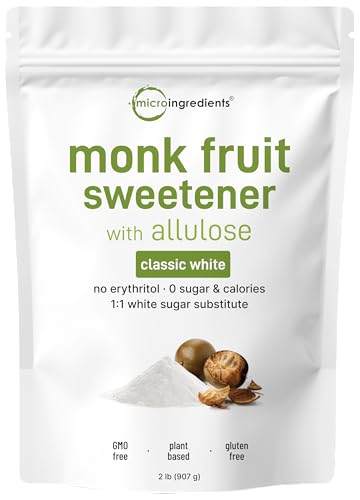
At the specified scoop, the formulation consists of allulose and monk fruit extract. The FDA has issued no-objection responses to GRAS notifications for the food use of monk fruit extracts, and FDA labeling guidance permits allulose to be counted as 0.4 calories per gram, allowing it to be excluded from total and added sugars under enforcement discretion. Consequently, a zero-calorie and zero-sugar label is plausible for a 4-gram allulose-based scoop. However, this blend should not be considered a proven tool for weight management. The World Health Organization recommends against relying on non-sugar sweeteners for long-term weight control. Large intakes of allulose can lead to digestive issues, but this pouch does not carry any tolerance warnings beyond the suggested serving size. The manufacturer states that third-party testing was performed and that ingredients were sourced directly, but they did not provide a buyer-accessible, batch-specific laboratory report, details about ingredient origins, fermentation feedstock, pouch materials, recycled content, or disposal instructions. No relevant FDA recalls or warning letters related to this product were found during the review.
This product is ideal for home bakers or coffee enthusiasts who prefer a granulated brown sugar alternative without erythritol. Its 2-pound packaging and 226 serving size are suitable for households that frequently use sweeteners and want to try the scoop-for-scoop substitution in their usual recipes. It also appeals to those seeking a simple two-ingredient formula and who can tolerate allulose. For those monitoring glucose intake, the transparent label indicating 4 grams of carbohydrates and zero sugar per scoop is more informative than general wellness claims.
This product may not be suitable for individuals who experience bloating, abdominal discomfort, or diarrhea after consuming allulose, particularly when recipes contain multiple scoops or cups. Human tolerance studies indicate that higher doses of allulose can lead to increased digestive symptoms, and there are no guidelines provided for cumulative use. Individuals with medically necessary allergies, gluten sensitivities, or those requiring non-GMO products should choose a product with verified certification and documented cross-contact protocols. Additionally, it is not recommended for buyers who need independently tested lot testing for contaminants or precise ingredient measurements.
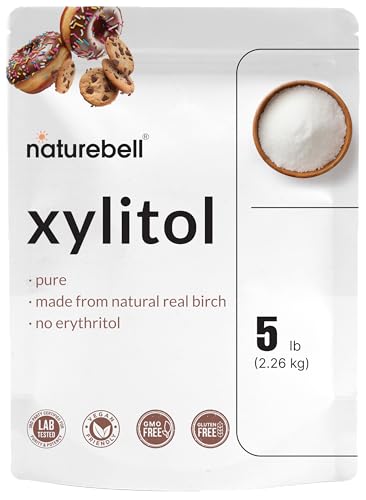
For human consumption, xylitol is an FDA-approved nutritive sweetener. It is classified as a sugar alcohol, not a zero-calorie ingredient, and the FDA assigns a caloric value of 2.4 calories per gram to xylitol. Consuming large single doses of xylitol or other polyols may lead to digestive discomfort or diarrhea in some individuals. The product page indicates a 4-gram scoop but does not include warnings about gradual usage or digestive tolerance. NatureBell states that their xylitol is derived from birch bark, is non-GMO, and contains no listed fillers or major allergens. However, these claims are not supported by publicly available certification records or lot reports. The product page also includes a Proposition 65 warning, but it does not specify the chemical involved or the exposure level. The product is packaged in a 5-pound bag, but the brand does not provide information on packaging materials, recycled content, recycling instructions, or the origin of the ingredients, making it difficult to assess its environmental footprint.
This product is suitable for adults who already tolerate xylitol and are looking for a large, granular sweetener for frequent use at home, such as in coffee, baking, candy making, or recipe testing. The 4-gram scoop helps make small measurements easier to manage. It may also be ideal for those replacing added sugar in recipes, as the FDA recognizes xylitol as a sugar alcohol that does not cause the rapid blood sugar spike typically associated with regular sugar. However, individuals managing diabetes should still consider the total carbohydrate content of recipes, portion sizes, and their personal medical plans.
This product is not suitable for households with dogs unless it can be stored securely and completely out of their reach. The FDA warns that xylitol is toxic to dogs, and this package contains a large amount of concentrated xylitol. Additionally, it may not be suitable for individuals with irritable bowel syndrome, polyol sensitivities, or a history of diarrhea or cramping after consuming sugar alcohols, especially since recipes may contain more than one scoop. Buyers who need independently verified contaminant testing, certified allergen controls, or verified non-GMO status will not find specific product documentation available publicly.
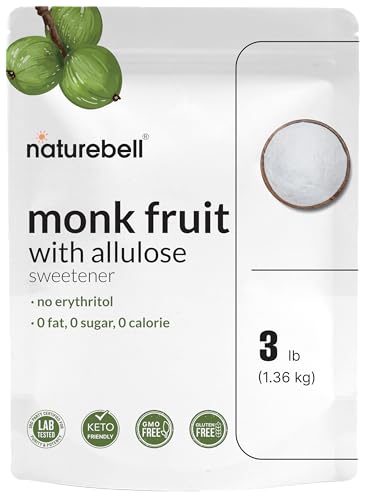
At a standard 4-gram serving, the allulose content in this product is well below the approximately 24 grams that, according to a single adult tolerance study, marks the threshold before severe symptoms such as gas, bloating, abdominal pain, or diarrhea may occur. However, this does not mean that everyone will tolerate it equally. When intake increases, allulose can cause gastrointestinal discomfort, and this product does not include a warning about such tolerance limits. The FDA has not challenged the Generally Recognized As Safe (GRAS) status for specific monk fruit extracts, and existing FDA guidelines allow allulose to be counted as 0.4 calories per gram in nutrition labeling. While NatureBell claims third-party laboratory testing and non-GMO status, no product-specific certificates, lab identities, accredited testing scope, or certification registry entries are available for review. A 2025 California Proposition 65 complaint alleged lead exposure from several other NatureBell supplement products, but not from this sweetener. Although this does not pertain directly to the current product, it highlights the importance of accessible lot testing. The sweetener is packaged in a plastic bag, but there is no verified sourcing information, recycled-content details, or disposal instructions available.
This product is ideal for adults who regularly sweeten their coffee, tea, sauces, or baked goods and wish to avoid erythritol. The 3-pound package, offering approximately 340 servings as indicated by the manufacturer, is better suited for regular household use rather than occasional sampling. It may also be suitable for individuals following a low-sugar or vegan diet, as its main ingredients are allulose and monk fruit extract. It is recommended to begin with small amounts, especially in recipes that call for multiple spoonfuls, since there is no publicly available information regarding individual tolerance.
This product is not ideal for individuals with irritable bowel syndrome, chronic diarrhea, a history of sensitivity to allulose, or those who are likely to consume large amounts in beverages or high-volume baking. Human tolerance studies have shown increased digestive symptoms at higher allulose doses, yet this product provides no dose-specific warnings. Additionally, it may not be suitable for households that require verified allergen-free, gluten-free, organic, kosher, or non-GMO certifications. It is also not recommended for buyers who need a current lot-specific contaminant report prior to using the product.
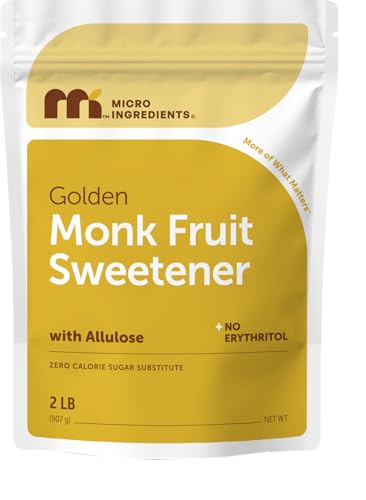
The product's intended serving size features a simple blend of allulose and monk fruit extract. The FDA has not raised any questions regarding the generally recognized as safe (GRAS) status of allulose and monk fruit extracts for their intended uses. Human studies indicate that small doses of allulose can temporarily reduce post-meal blood glucose levels in some cases. However, the product does not specify the amount of allulose it contains and has not published any human testing results specific to this product. At higher doses, allulose may cause mild digestive discomfort, and there are no guidance notes on tolerance limits provided with this pouch. The manufacturer states that the ingredients have passed third-party laboratory testing and are sourced from trusted, single-origin suppliers. However, these are manufacturer claims and do not constitute publicly accessible proof for the current batch. No specific information was found regarding contaminant testing results, laboratory accreditation, packaging resin codes, recycled content percentages, ingredient origins, or disposal instructions. As of August 16, 2026, searches for FDA recalls or warning letters did not reveal any product-specific actions related to this item in the sources checked.
This product is suitable for adults seeking a granular sugar substitute for coffee, tea, sauces, or baking at home, particularly those who wish to avoid erythritol. The 2-pound pouch contains approximately 226 servings, making it ideal for regular home use. Users who prefer to measure using a 4-gram scoop rather than liquid drops will find it convenient. Additionally, individuals monitoring carbohydrate and sugar content may appreciate that allulose is categorized as a carbohydrate but not as sugar, though they should note that the precise amount of allulose is not explicitly disclosed.
This product may not be ideal for individuals with a history of loose stools, bloating, irritable bowel symptoms, or sensitivity to poorly absorbed carbohydrates, particularly when recipes involve cup-sized measurements. People managing diabetes should not consider it a tool for blood glucose control or alter their treatment based on its marketing claims. Additionally, it is less suitable for those who need certified gluten-free, non-GMO, organic, kosher, or allergen-controlled foods, as no specific certification or documentation regarding cross-contact was found.
Allulose has a stronger safety profile at the ingredient level compared to this particular product, which only has product-level verification. The FDA has reviewed GRAS notices for D-allulose based on its intended use, and its labeling recommends 0.4 calories per gram. Human studies suggest that small amounts of allulose consumed alongside carbohydrates can modestly decrease post-meal blood sugar levels. Another human tolerance study showed that severe diarrhea can occur at approximately 0.5 grams per kilogram of body weight when taken as a single dose, whereas this product's serving size is only 4 grams. Since the packaging does not include a tolerance warning, it is advisable to start using the product gradually. NatureBell claims that their formula contains pure allulose, is non-GMO, vegan, and free from major allergens. They also state that their ingredients are tested by third-party laboratories. However, these claims are not supported by a registry-verifiable certification or independent laboratory reports linked to specific batches. No relevant recalls or FDA warning letters regarding NatureBell products were found in public records. Environmental information is limited to the packaging being a pouch-in-box format, with no publicly available details about the materials used, recycled content, sourcing practices, or disposal instructions.
This product is ideal for home bakers and beverage enthusiasts who frequently use sweeteners and prefer to purchase allulose in bulk. It is suitable for those willing to gradually experiment with a new sweetener. The recommended 4-gram scoop serves as a cautious starting point for adults. The large pouch is convenient for households that regularly prepare reduced-sugar desserts, sauces, or sweetened drinks. Additionally, it may appeal to individuals reducing added sugars who are aware that, according to FDA guidelines, allulose is still included in total carbohydrate counts, even though it is excluded from the total and added sugars labels.
This product is not ideal for individuals with a history of sugar-induced diarrhea, bloating, abdominal pain, or severe irritable bowel symptoms, particularly if they intend to use spoonfuls instead of the recommended 4-gram scoop. It may also be less suitable for buyers requiring comprehensive batch-level proof of identity, heavy metal testing, microbiological testing, allergen cross-contact controls, or verified dietary certifications. People with diabetes should not assume that the non-glycemic claims imply a guaranteed personal glucose response.