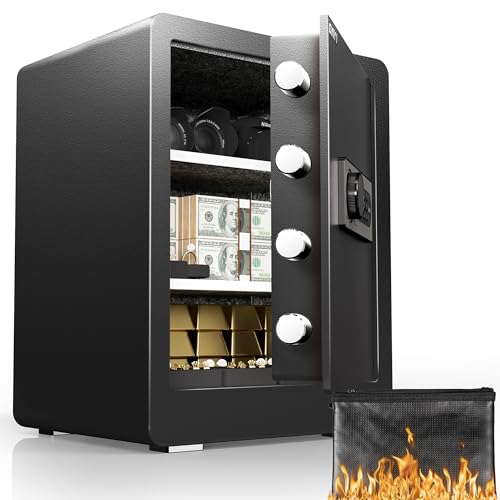
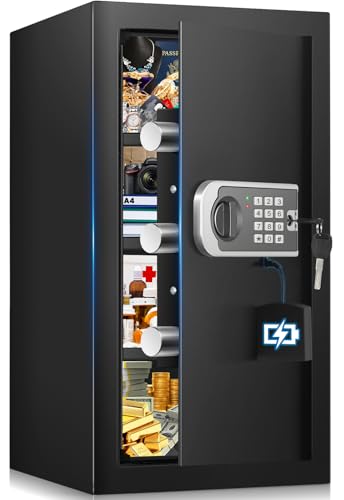
DAYI D-45 Home Security Safe
Fireproof and waterproof bag for extra protection.
Dual alarm system enhances security features.
Removable shelf offers flexible storage options.
We compared the top Home Safe products so you can quickly spot the strongest options for value, features, and everyday performance.
Fireproof and waterproof bag for extra protection.
Dual alarm system enhances security features.
Removable shelf offers flexible storage options.
Durable protection against fire and water damage.
Convenient size for easy document storage.
Secure key lock ensures added safety.
Equipped with sensor light for easy access.
Includes fireproof bag for extra protection.
Digital keypad offers secure, customizable access.
Quick-access biometric fingerprint scanner.
Compact design fits multiple handguns.
Durable construction with anti-theft features.
Quick access with reliable fingerprint technology.
Convenient backlit keypad for easy nighttime use.
Compact size perfect for discreet storage.
Spacious interior fits various valuable items.
Electronic keypad ensures easy, secure access.
Durable steel construction enhances security.
Quick access with biometric fingerprint technology.
Durable construction with carbon steel cable.
Stealth mode feature for discreet use.
Quick and easy fingerprint access.
Spacious enough for multiple firearms.
Durable build with reinforced steel construction.
Fireproof and waterproof features enhance protection.
Programmable keypad offers customizable security.
Smart alert system provides added peace of mind.
Protects documents from fire and water damage.
Compact design fits easily in storage spaces.
Durable construction ensures long-lasting use.
A home safe primarily aims to prevent casual access to valuables, organize important documents, and, when properly tested, offer protection against fire or water damage. Its effectiveness depends more on answering four practical questions than on the number of bolts or the label “fireproof”: Can unauthorized individuals be kept out? Can the safe be securely anchored? Do the protection claims accurately match the contents? And are these claims verified through independent testing of the specific product?
For protection against break-ins, look for official listings of the exact model under UL 687 (burglary-resistant safes) or UL 1037 (residential security containers). Features like steel gauge, bolt count, concealed hinges, alarm integrations, or “anti-theft” labels are descriptors of construction or features, not evidence of tested resistance. Proper anchoring is crucial; check that mounting holes and screws are suitable for the intended wall or floor material, with clear instructions on installation requirements. A portable or lightly anchored safe remains vulnerable to quick theft.
Regarding fire protection, meaningful claims should specify the test standard, duration, internal temperature limits, and impact-test considerations. UL 72 is the standard relevant to record protection. A claim such as “30 minutes at 1,550°F” is more informative than a generic “fireproof” label—but it must match the specific model in the UL Product iQ or Intertek directory. An included fireproof document bag does not mean the safe itself offers fire protection. Similarly, flammability ratings for the materials used do not guarantee overall fire endurance.
Water resistance claims should clearly state the tested depth, duration, orientation, and passing criteria, backed by an exact product report from an accredited laboratory. Terms like “waterproof” often refer only to accessories such as bags, while some safes are explicitly not water-resistant. Fire-resistant insulation might also trap moisture, so sensitive contents may require secondary airtight packaging.
Be cautious with capacity figures. Some listings claim volumes larger than what the external dimensions could physically contain. Actual usable space depends on the thickness of walls, doors, bolts, shelves, interior lining, and clearance. Always verify interior measurements, shelf arrangements, door swing, and whether your intended contents—folders, electronics, medicines, etc.—fit comfortably. Inconsistent capacity or weight data suggests planning conservatively.
Electronic and biometric locks offer convenience but also introduce dependencies like battery life, reset procedures, enrollment, and lockout situations. A reliable lock system should clearly indicate low-battery warnings, failed access procedures, emergency power options, key overrides, and backup methods beyond biometric access. Special care is needed with firearm safes; many reviews show no official California firearm safety device listing for biometric models, and broader safety regulations highlight that fingerprint readers alone do not ensure child safety.
Overall, these products are generally not substitutes for independently rated burglary protection, tested fire or flood resistance, or verified firearm storage solutions. Many require secure anchoring and careful management of override keys. Document and jewelry safes or soft organizers can assist with organization or limited fire resistance but are not designed to withstand tools or authorized entry. Manuals often exclude firearms, weapons, medications, or combustible materials. Claims regarding vague fire, water, capacity, or anti-theft features should not be considered as tested or verified standards.

The following topics address important practical considerations related to safety, environmental impact, and evidence when selecting a home safe. The scores are based on user reviews; higher-rated products typically feature clearer operating instructions and more credible claims, whereas lower-rated options often have inconsistent dimensions, lack manuals, or include unsupported safety assertions.
This assesses whether children and other unauthorized individuals can be prevented from entering without causing unnecessary lockouts or emergency access issues. Among the available products, better outcomes were observed with those that included verified key, keypad, or emergency power backups, as well as clear lockout instructions. Conversely, weaker results were associated with unverified biometric access systems and products designed for firearms that lack proper firearm-device certification.
This includes predictable behaviors for the keypad, fingerprint scanner, keys, and backup power, such as enrollment, failed-entry lockout, low-battery alerts, reset options, and emergency access. Higher-rated products documented multiple access methods and battery management procedures. In contrast, lower-rated biometric products did not provide an accessible model-specific manual or independent performance data, leaving fingerprint reliability and reset functions uncertain.
This assesses whether buyers can accurately determine the specific model, manufacturer, support channels, warranty details, and any upcoming safety remedies. Products that include model numbers, user manuals, documented support options, replacement key procedures, or warranties received higher scores. Conversely, lower scores indicated the absence of manuals, ambiguous warranty information, limited support resources, or inadequate documentation for electronics and override systems.
This assesses factors such as durability, repairability, evidence of recycled content, battery impact, and disposal instructions. The products provided are mainly made from steel or alloy steel and utilize replaceable AA batteries, preventing permanent battery integration. The most notable environmental indicator was the presence of a Recycled Claim Standard certification. In contrast, many products with less information lacked components programs, material disclosures, battery usage instructions, or guidance for product take-back and disposal.
This assessment evaluates whether claims related to fire, water, burglary, biometric security, alarms, steel thickness, and capacity accurately reflect the actual product specifications and disclosed limits. Products with higher scores specify precise dimensions or clearly stated protection limits and recognize security boundaries. In contrast, lower-scoring products tend to claim capacities exceeding their external volume or use fireproof and waterproof claims that only apply to an included bag.
This inquires whether the specific product itself—rather than just a material, component, seller claim, or accessory—has an active third-party listing or testing record. The scores provided were generally moderate, as many products lacked a model-specific UL or ETL certification. To achieve a high score, there must be a corresponding certification mark, model number, standard, and issuing organization documented in UL Product iQ or the Intertek directory.
This assessment evaluated the product's resistance to prying, drilling, punching, lock attacks, and removal attempts. Higher-scoring items generally provided better-supported anchoring or construction details. However, reviews consistently emphasized that factors such as the number of bolts, steel thickness, concealed hinges, and "anti-theft" labeling do not constitute official burglary ratings. A low score indicates that the product offers basic protection and does not meet standards like UL 687 or UL 1037 for secure containers.
This evaluates whether the product has a verified duration of effectiveness, an appropriate internal temperature class, and any claimed impact protection suitable for its contents. Products with clearly defined manufacturer fire limits scored higher than those with vague fireproof claims, although many lacked an up-to-date exact-model listing. A document safe may protect paper for a specified period but may not be suitable for digital media or other sensitive items.
This assessment evaluates water protection in a standalone manner, considering specific depth, duration, orientation, and passing standards. Products with higher scores were generally transparent about not being water-resistant or provided specific manufacturer claims regarding water resistance, though most did not have detailed testing records for exact models. Consumers should differentiate between cabinet protection and water-resistant document bags, and should review warranty exclusions and submersion limits carefully.
This assesses whether the safe can be securely installed using appropriate hardware, mounting holes, substrate instructions, and load capacity. Products with higher scores provided bolts and more detailed mounting instructions. In contrast, lower-scoring products only mentioned “wall mount” or included hardware without specifying the type of anchor, hole pattern, substrate requirements, or installation limitations. Proper anchoring is particularly crucial for lightweight safes.
This assessment determines if the stated capacity accurately represents the actual interior dimensions, including shelf clearance, door space, and content limits. Products with higher scores provide precise interior measurements or a practical file layout. Conversely, lower-scoring items tend to overstate their cubic footage compared to what their external dimensions can accommodate or have conflicting specifications between marketplace listings and manufacturer details. Buyers are advised to measure the actual contents rather than relying solely on the nominal volume advertised.
The keypad operates on four replaceable AA alkaline batteries instead of a sealed internal battery pack. The manual advises users to use alkaline batteries, warns against using rechargeable ones, and includes a low-battery alert as well as instructions for external emergency power. It also recommends changing the default passcode and storing backup keys outside the safe. No specific product recall or public safety issues related to this product were found in the reviewed CPSC recall and safety report databases. DAYI states that the safe’s enclosure is made of alloy steel, which can provide a long service life if properly maintained and securely installed. However, there is no certification for recycled content, detailed materials declaration, or end-of-life disposal guidance available. The manual does not include instructions for battery disposal. EPA guidance suggests checking local options for recycling used alkaline batteries, emphasizing the importance of responsible disposal rather than treating it as an afterthought. Claims regarding fire and water resistance pertain to the included bag, not independently verified protection offered by the metal enclosure.
This safe is ideal for an adult household seeking organized, everyday storage for cash, passports, small documents, spare keys, or modest valuables, and can be securely anchored to a wall. It is especially suitable where keypad access is important but battery failure is a concern, as it includes a physical override key and an external emergency power option. Buyers should measure the intended contents beforehand, as the published capacity and size specifications may not be entirely consistent. Additionally, the included bag should be considered an accessory rather than a guaranteed protective enclosure.
This product is not suitable for individuals requiring independent ratings for burglary, fire, flood, or digital-media protection. Buyers who need to store irreplaceable documents, high-value jewelry, or items vulnerable to severe fire or water damage require clearly defined, model-specific testing limits, which are not provided here. Additionally, it is not appropriate for use as a firearm safety device where child access is a concern, since it is neither marketed nor certified as a firearm safety device. Do not rely on it when unanchored, and avoid mounting it on walls where the construction and anchors have not been evaluated.
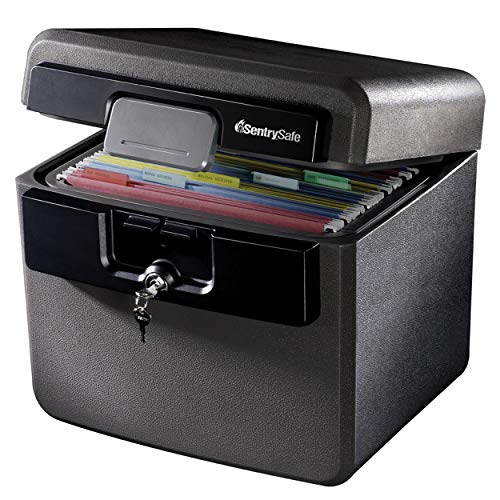
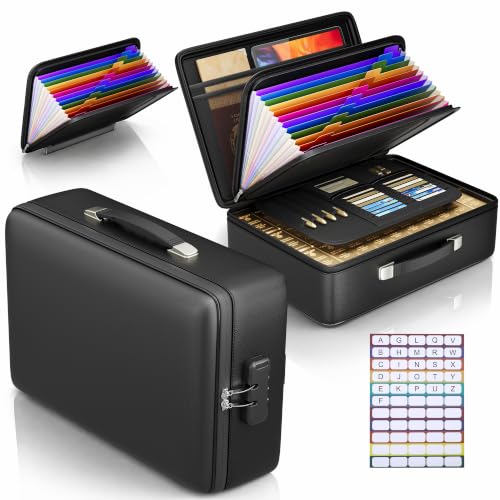
The product does not contain a battery, keypad, wireless radio, or biometric electronics, which helps eliminate the need for routine battery replacements and reduces the risk of electronic failure. Its mechanical key system includes two keys, and the official manual provides support for key replacements. Although the product is relatively heavy at 38.85 pounds, the manufacturer describes its construction as resin-cased fire insulation rather than a fully documented system made from recycled or low-impact materials. There is no claim of recycled content or guidance on end-of-life disassembly or recycling. The manual outlines important safety and content guidelines. It mentions that the fire-resistant insulation has high moisture content and recommends storing delicate items in airtight containers. Additionally, it advises against storing pearls, firearms, other weapons, combustible materials, and medication. The manufacturer offers a one-year limited warranty and a registration-based repair program following fire incidents. While the product's UL fire and ETL water resistance claims are specific, this review did not independently verify the product against public certification records.
This product is ideal for households or small home offices needing to store paper records, passports, certificates, tax documents, and similar items in letter-sized hanging folders. It is especially suitable for customers seeking a compact, non-electronic filing solution with claimed fire and flood protection. Users should keep the box closed, locked, properly oriented, and place it in a location where its weight of approximately 38.85 pounds is manageable. It also appeals to those who prefer simple key access over electronic methods such as batteries, codes, or biometric systems.
This safe is not designed for storing firearms, medications, weapons, or flammable materials, as the manufacturer explicitly advises against storing these items inside. It is also not suitable for situations where the primary concern is protecting against a persistent burglar, prying, drilling, or swift removal. The manufacturer describes its key lock as providing basic protection and states that it is not resistant to tool attacks. Customers aiming to safeguard moisture-sensitive collectibles, loose photographs, watches, or pearls should consider alternative storage solutions or use sealed secondary containers.
The accessible instructions specify that the device uses a removable four-AA battery system instead of an integrated rechargeable pack. This design simplifies routine maintenance and prevents the need to discard the entire product once the batteries are depleted. The instructions also include a low-battery warning and recommend replacing the batteries promptly. According to EPA guidance, users should check local options for recycling and utilize battery recyclers for used alkaline batteries when available. The product is described as being made from alloy steel, which suggests durability and potential recyclability. However, there is no information on recycled content, material declarations, repair parts programs, or end-of-life disposal guidance. Additionally, no specific CPSC recall or public safety warnings for this exact product have been identified in the searches. The primary concern is the lack of evidence regarding protection standards; there are no independent listings or test records confirming claims related to fire resistance, water resistance, or security against break-ins.
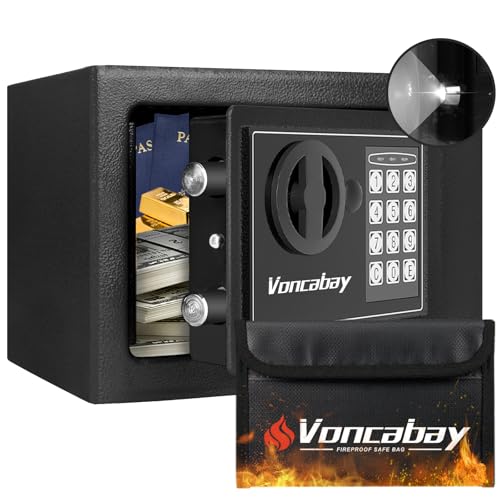
This product is ideal for adults seeking a compact, simple solution to store small cash reserves, passports, jewelry, spare keys, or folded documents in a low-risk indoor environment. It is most suitable when the owner can securely mount it to a sturdy surface, keep the override keys in a separate safe location, test the lock code before regular use, and replace the four AA batteries quickly when the low-battery indicator appears. Its small interior is best suited for a limited number of small items rather than document folders, tablets, or larger valuables.
This product is not appropriate for buyers who require independently certified protection against burglary, fire, flood, or forced entry. Additionally, it is not suitable as a firearm safety device, as no firearm-specific certification or access-control features could be found. Households with children or unauthorized users should be aware that a separate override key presents a significant security risk. Those storing irreplaceable records, large document envelopes, valuable jewelry, medications needing restricted access, or electronics should opt for storage solutions that offer verified protection and dimensions suitable for their specific items.
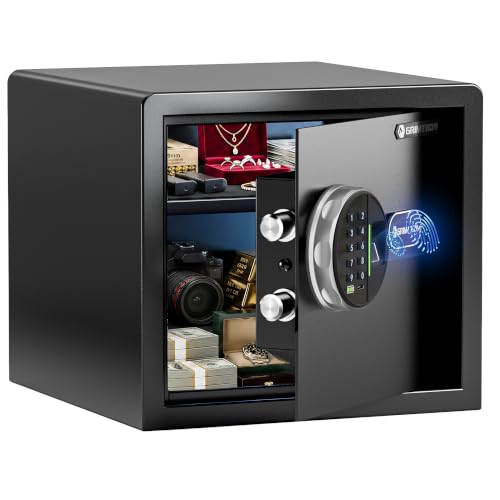
There is no record of any recall or specific CPSC warning related to the AIRMuch A3 in publicly available sources. However, this does not confirm that the fingerprint reader has been independently tested or verified. The CPSC has documented significant failures related to unauthorized opening in various other biometric firearm safes, including models sold on Amazon. Therefore, fingerprint access should be considered a convenience feature until the product’s locking mechanism is properly tested by the owner. The mechanical key listed as an alternative access method is important, but its storage and emergency access procedures could not be verified without an exact manual for the product. The product listing states that it is made from alloy steel or carbon steel, which may provide a durable enclosure. However, it does not mention any recycled content, repair parts availability, warranty details, or guidance on end-of-life disposal. Information about the type of batteries used or disposal instructions was not available in the checked product materials. Household batteries that are replaceable should be disposed of according to local regulations. Rechargeable or lithium batteries should be taken to an appropriate collection program for batteries or electronics, rather than being thrown away with household waste.
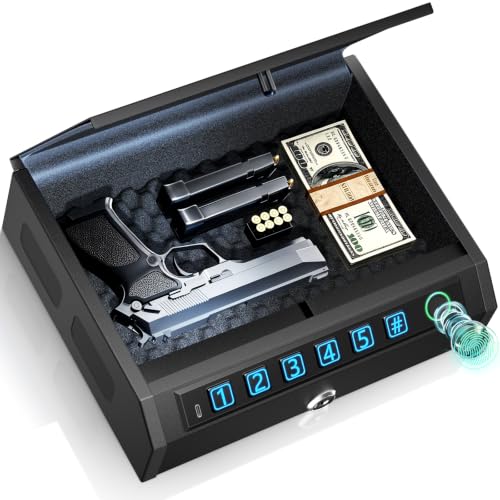
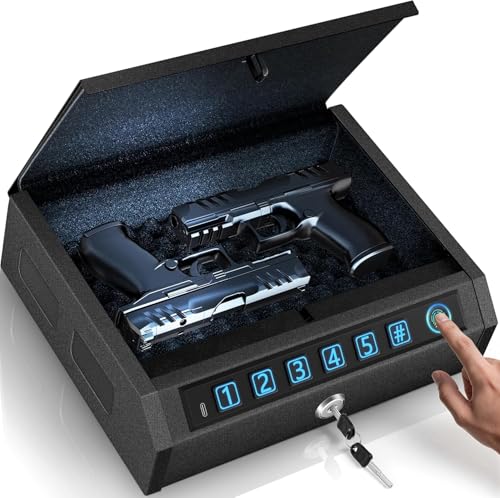
This product is ideal for adults who need a compact, portable lock box for brief storage of one or a few small handguns or other valuables. It allows for a mechanical key to be stored separately and can be secured using the included cable or screws. Its shallow dimensions make it suitable for bedside, vehicle, or travel use, where a larger safe is inconvenient. Users should independently test all access methods before storing a firearm.
This product is not appropriate for households that require independently certified child-access protection, proven resistance to forced entry, or a recognized firearm safety device. It is also not suitable for fire, flood, or prolonged water exposure, as no such protection is claimed. Customers looking to store multiple full-size handguns, firearms with optics, or large valuables should not depend on the stated capacity, as the claimed internal volume exceeds the listed external dimensions.
The primary safety concern relates to access control. The available instructions include emergency keys, external USB-C power for dead batteries, and guidance to register fingerprints from multiple angles. While these measures can help prevent accidental lockouts, the biometric system has not been independently tested or verified for this specific product. The CPSC has issued significant warnings and recalls for other biometric firearm safes that allowed unauthorized access. However, there are no records of recalls or regulatory actions concerning this particular model in the public sources reviewed. The safe features a metal construction and uses replaceable AA batteries instead of an internal rechargeable pack, which simplifies the battery replacement process. The documentation does not mention recycled materials, repair parts, electronics recycling options, or a plan for end-of-life disposal. The EPA recommends checking local recycling programs or using battery recyclers for used alkaline AA batteries. Additionally, the manual lacks specific guidance on proper disposal or recycling procedures.
This product is ideal for adults seeking compact, organized storage for small valuables such as passports, cash, keys, jewelry, or small electronics. It can be securely mounted to a wall, floor, or cabinet surface. It is especially suitable where keypad, fingerprint, and physical key options are preferred. Users should keep emergency keys outside the safe, regularly maintain fresh batteries, test access methods after installation, and understand that security claims are manufacturer-reported rather than independently verified.
This safe is not suitable for buyers seeking independently certified protection against burglary, fire, flooding, drilling, or prying. It is also not recommended as the only security measure for firearms in homes with children or untrained users, since it lacks a product-specific certification on the California firearm safety-device roster and has not undergone independent biometric access testing. Individuals storing standard documents, binders, large electronics, or other items that require a specific internal volume should not rely solely on the stated capacity, as it conflicts with the external dimensions of the safe.
The primary health and safety concern is access control. Although the product features a mechanical key backup, there is no third-party certification or test record for its fingerprint programming, lock durability, or resistance to forced entry. The Consumer Product Safety Commission (CPSC) has issued significant warnings and recalls for other biometric firearm safes following reports of unauthorized fingerprint access. While these alerts do not specifically mention this product, they highlight the importance of independent verification and careful setup for any biometric lock of this type. The product page indicates that it is made of steel and uses replaceable AA batteries, rather than a sealed rechargeable battery pack. While metal construction may enhance durability, there are no claims regarding recycled materials, repair parts availability, warranty details, or end-of-life disposal guidance. Used batteries should be disposed of through proper local collection or recycling programs. Additionally, the product is explicitly not water-resistant, meaning exposure to moisture can compromise both the contents stored inside and the electronic components.
This product is ideal for adults seeking a compact, temporary storage solution for a small handgun or valuables in a drawer, vehicle, office, or bedside table. It is best suited for situations where the user can manage the mechanical key independently, verify each fingerprint during setup, and secure the device to a fixed object using the included cable. Its stated exterior height and lightweight design make it suitable for small items and tight spaces, rather than extensive firearm storage or long-term document protection.
This product is not appropriate for households requiring independently certified child-proof protection for a loaded firearm, especially in situations where children or untrained individuals might access it. It is also not designed to defend against a determined intruder, fire, flooding, or extended exposure to moisture. Customers looking for a container suitable for a specific handgun, optic, magazine, holster, or documents should not rely solely on the claimed capacity of two to three pistols without first measuring the interior space, as the actual usable dimensions and fitting limits have not been provided.
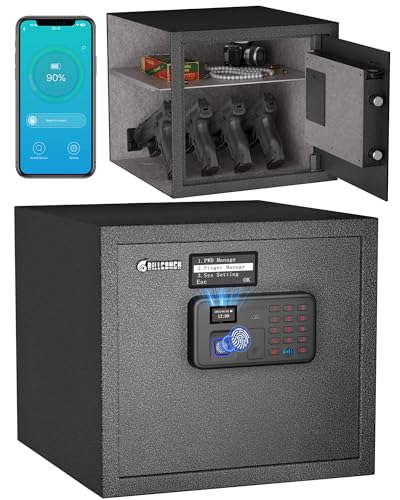
The primary safety advantage of the product is its ability to maintain authorized access consistently. The available instructions specify the use of a physical override key and an external USB power option in case the four internal AA batteries are exhausted. Users are advised to keep the fingerprint reader clean, regularly retake stored fingerprint scans, and check the door alignment and mounting hardware. As of the search conducted on September 6, 2026, no product-specific CPSC recall or safety warnings have been found. However, the absence of such notices does not independently confirm the safety or reliability of the biometric system. The CPSC has previously issued serious warnings and recalls for other biometric firearm containers that permitted unauthorized access. Therefore, routine testing of fingerprint enrollment and backup key controls is recommended. This product features steel construction and replaceable AA batteries, avoiding the use of a permanently embedded power pack, but there is no verified claim of recycled materials or an end-of-life disposal plan. The EPA suggests avoiding placing batteries in household recycling and recommends using designated collection points for batteries and electronics whenever possible.
This product is ideal for adults who require organized, quick access to a limited number of handguns or compact valuables in a fixed indoor spot. It is particularly suitable for situations where the user can securely bolt it to a sturdy wall, floor, or heavy furniture, test all registered fingerprints regularly, replace the AA batteries, and securely store the override keys separately. Its removable brackets and shelf offer flexibility for users whose contents may vary, such as switching between pistols, magazines, cash, and small personal items.
This safe is not suitable for households requiring independently certified protection against persistent break-ins, fires, floods, or water damage. It is also not ideal for unsecured placement, travel, long guns, large documents, or oversized handgun setups, as interior measurements and firearm-specific fit data have not been independently verified. Homes with children or untrained adults should not depend solely on untested biometric access. The primary backup security method must remain out of reach of unauthorized individuals, and the safe should be securely anchored.
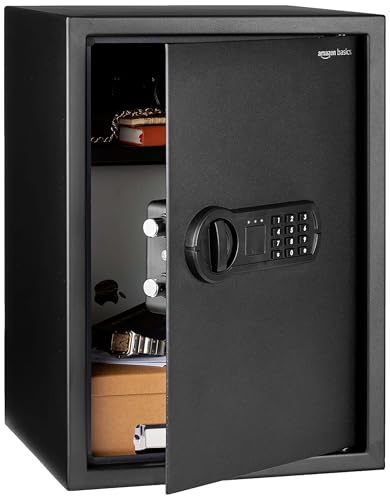
This product does not include a biometric reader, thereby avoiding the specific fingerprint enrollment failure issues that have led to recent U.S. safety actions concerning various biometric firearm safes. Instead, it utilizes an electronic keypad; physical override keys should be stored separately from the safe and tested for proper operation after setup. No recalls, regulatory actions, or exposure warnings related to this product have been identified in the reviewed U.S. consumer safety sources. The seller states that the safe is made from cold-rolled steel and offers a six-year warranty for returns or exchanges, along with lifetime technical support. While this may support extended use, there is no certification of recycled content, no catalog of replacement parts, material declaration, or end-of-life disposal plan available. The safe features external battery support and suggests the use of replaceable power sources; however, details about battery chemistry or disposal instructions could not be found. Household batteries should be recycled following local programs and relevant battery disposal guidelines, as they are not suitable for curbside recycling.
This product is ideal for adults who need to store routine household items such as paperwork, passports, small electronics, medications, or modest valuables. It can be anchored to a suitable wall or floor to secure a 38-pound safe, with override keys kept separately for safety. Its adjustable shelves and compact external size make it suitable for use in a closet, office, dorm room, or apartment. It is best suited for basic controlled access and organization, with the keypad, external battery box, and physical keys serving as intended access methods rather than indicators of certified security performance.
This product is not suitable for individuals requiring independent certification for burglary, fire, flood, or digital-media protection. Do not assume the included document bag indicates that the safe is water-resistant; the product page clearly states that the safe is not water-resistant. Additionally, it is not appropriate as the only protective container for firearms or other hazardous items where unauthorized access could lead to injury, as there is no firearm-device certification or independent lock testing available. Buyers seeking precise information about usable volume should not rely on the claimed 4.6 cubic feet.